
A perfectly balanced caprese salad is more than just fresh mozzarella, ripe tomatoes, and fragrant basil. The final flourish—a glossy, sweet-tart balsamic glaze—can elevate the dish from simple to sublime. While store-bought versions exist, they often contain added sugars, preservatives, or artificial flavors. Making your own balsamic glaze at home is not only healthier but also surprisingly easy, requiring just one ingredient and minimal effort.
This guide walks you through crafting a rich, velvety balsamic glaze that complements the creamy cheese and juicy tomatoes in a classic caprese. You’ll learn the science behind reduction, discover pro tips for consistency and flavor, and get practical advice on storing and using your glaze beyond salads.
The Role of Balsamic Glaze in Caprese Salad
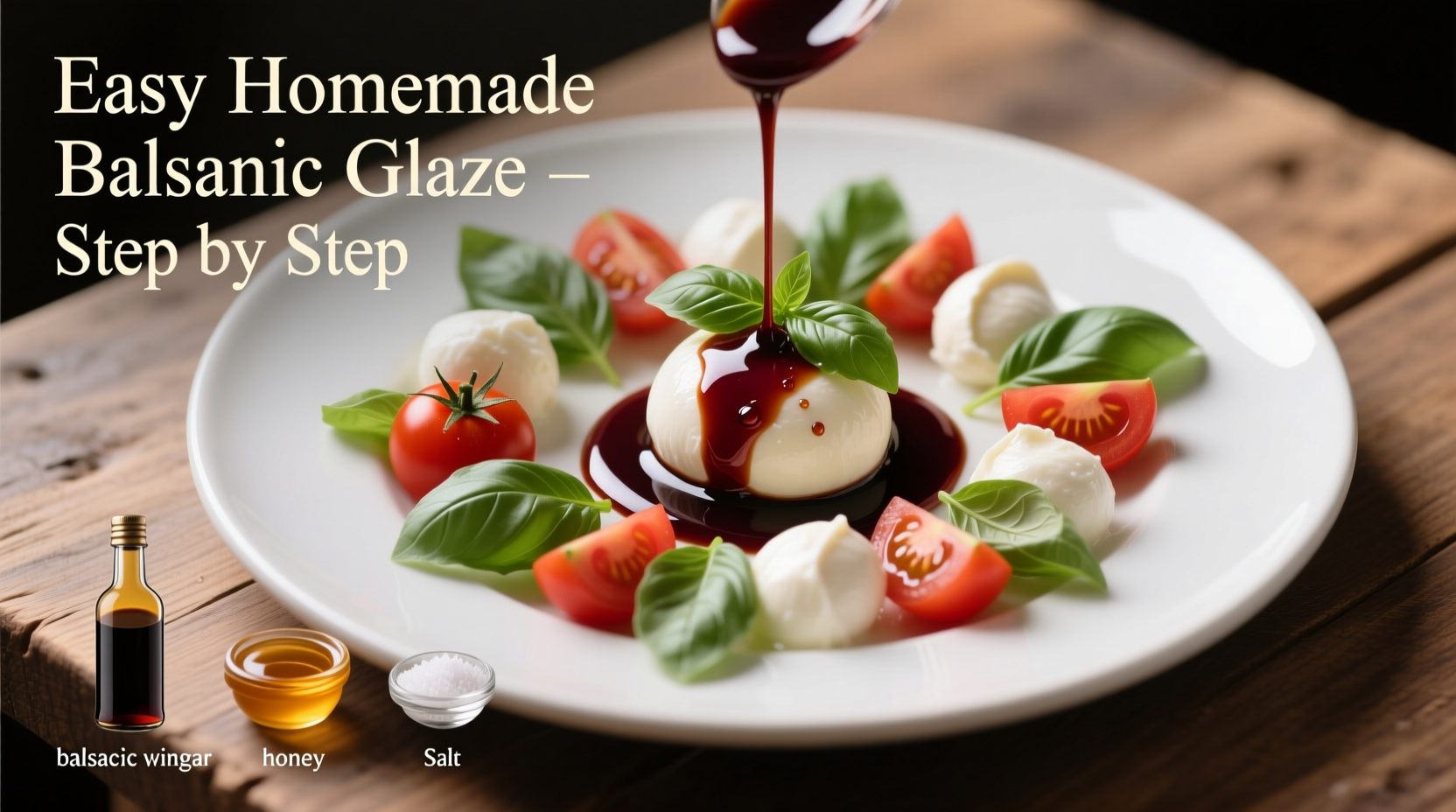
In traditional Italian cooking, caprese salad celebrates simplicity: high-quality ingredients arranged with care. Yet, even minimalist dishes benefit from balance. Fresh mozzarella brings creaminess, tomatoes add acidity and sweetness, and basil contributes herbal brightness. What ties these elements together? A drizzle of balsamic glaze.
Balsamic glaze acts as both a flavor enhancer and visual accent. Its deep color contrasts beautifully against white cheese and red tomatoes, while its concentrated tang cuts through the richness of the mozzarella. Unlike raw balsamic vinegar, which can be too sharp when used generously, the reduced glaze offers a syrupy texture and rounded sweetness that coats each bite evenly.
Step-by-Step Guide to Making Homemade Balsamic Glaze
You don’t need special equipment or culinary training to make excellent balsamic glaze. Follow this straightforward process for consistent results every time.
- Gather Your Ingredients: Start with 1 cup (240 ml) of good-quality balsamic vinegar. Avoid cheap, overly acidic varieties; opt for those labeled “traditional” or with a thicker viscosity.
- Pour Into a Saucepan: Use a small, heavy-bottomed saucepan to ensure even heat distribution. Add the vinegar and place over medium heat.
- Simmer Gently: Bring the vinegar to a gentle simmer—do not boil rapidly, as this can cause bitterness. Stir occasionally to prevent sticking.
- Reduce by Half: Allow the vinegar to reduce for 15–20 minutes until it has lost about half its volume and coats the back of a spoon. It should flow slowly, like warm honey.
- Cool and Store: Remove from heat and let cool completely. Transfer to a clean glass jar or squeeze bottle for storage.
The transformation during reduction is due to evaporation and caramelization. As water content decreases, natural sugars concentrate, creating a luscious texture without any added sweeteners.
Optional Flavor Enhancements
While pure balsamic vinegar makes a stellar glaze, subtle additions can deepen complexity:
- Add 1 teaspoon of honey or maple syrup for extra sweetness.
- Toss in a sprig of fresh rosemary or thyme during simmering for herbal notes.
- Include a crushed garlic clove for savory depth (remove before cooling).
Common Mistakes and How to Avoid Them
Even simple recipes have pitfalls. Here’s what to watch out for when making balsamic glaze:
| Mistake | Why It Happens | How to Fix / Prevent |
|---|---|---|
| Glaze turns bitter | Overheating or boiling too vigorously | Use low-medium heat and maintain a gentle simmer |
| Too thin after cooling | Insufficient reduction time | Simmer longer until it thickens significantly upon cooling |
| Too thick or sticky | Over-reduction | Dilute with a few drops of warm water or vinegar if needed |
| Grainy texture | Using vinegar with added sugar that crystallizes | Stick to pure balsamic vinegar without additives |
Storage Tips and Shelf Life
Homemade balsamic glaze keeps well when stored properly. Place it in an airtight container—preferably glass—and store in the refrigerator. It will last up to **two months** without spoiling.
When ready to use, remove the glaze 10–15 minutes before serving to allow it to reach room temperature. Cold glaze may appear thicker and less pourable. If separation occurs, simply give the jar a gentle shake or stir.
“Reducing balsamic vinegar unlocks its full potential—it becomes a condiment, not just an acid.” — Chef Luca Moretti, Italian Culinary Instructor
Versatile Uses Beyond Caprese Salad
Don’t limit your glaze to one dish. Its sweet-savory profile makes it a versatile kitchen staple. Consider these creative applications:
- Drizzle over grilled vegetables like zucchini, eggplant, or roasted carrots.
- Pair with charcuterie boards—especially alongside figs, prosciutto, and aged cheeses.
- Enhance protein dishes: brush onto chicken, salmon, or pork in the last few minutes of cooking.
- Swirl into soups such as tomato bisque or butternut squash for a finishing touch.
- Experiment with desserts: a light drizzle complements vanilla ice cream or panna cotta.
Mini Case Study: Elevating a Weeknight Dinner
Sarah, a home cook from Portland, used to rely on bottled dressings for her family’s weekly caprese nights. After trying homemade balsamic glaze, she noticed her kids were more excited about eating tomatoes. “They loved watching the vinegar turn into this shiny syrup,” she said. “Now I keep a batch in the fridge and use it on everything from roasted Brussels sprouts to strawberries with mascarpone.”
What started as a small upgrade became a cornerstone of her flavor strategy—proof that a single technique can transform multiple meals.
Frequently Asked Questions
Can I make balsamic glaze without reducing it?
No true glaze forms without reduction. However, some brands sell pre-made glazes that are thickened with starches or gums. These lack the depth of flavor achieved through slow simmering.
Is there a substitute for balsamic vinegar?
If unavailable, a mix of red wine vinegar and honey (3:1 ratio) can mimic the flavor, though it won’t have the same complexity. Traditional balsamic’s aged profile is hard to replicate.
Why did my glaze harden in the fridge?
This is normal due to sugar concentration and cooling. Simply bring it to room temperature and stir. If too firm, warm gently in a water bath for a few seconds.
Checklist: Perfect Balsamic Glaze in 6 Steps
- ☐ Choose high-quality balsamic vinegar
- ☐ Use a heavy-bottomed saucepan
- ☐ Simmer gently—no rapid boiling
- ☐ Reduce until it coats the back of a spoon
- ☐ Cool completely before storing
- ☐ Label and refrigerate for up to 8 weeks
Final Thoughts
Creating a homemade balsamic glaze isn’t just about enhancing a caprese salad—it’s about reclaiming control over what goes into your food. With one ingredient and less than 20 minutes, you craft a luxurious condiment that impresses guests and elevates everyday meals. The process teaches patience, attention to detail, and respect for simple transformations.
Once you master the basic reduction, the possibilities expand. Try infusing it with herbs, pairing it with seasonal produce, or gifting it in decorative bottles. Great cooking often lies not in complexity, but in thoughtful touches.




 浙公网安备
33010002000092号
浙公网安备
33010002000092号 浙B2-20120091-4
Comments
No comments yet. Why don't you start the discussion?