
Lentil soup is one of the most nourishing, economical, and universally loved dishes across global cuisines. When prepared in a slow cooker, it transforms from a simple meal into a deeply flavored, aromatic stew that develops richness over time—with almost no effort required. This method eliminates constant monitoring, reduces cleanup, and allows busy home cooks to serve a wholesome, protein-packed dish at the end of a long day. Whether you're feeding a family, meal prepping for the week, or seeking comfort during colder months, this slow-cooker approach delivers consistent results every time.
The appeal of slow-cooked lentil soup lies not only in its convenience but also in its adaptability. Lentils absorb surrounding flavors beautifully, making them ideal for simmering with vegetables, herbs, and spices. Unlike stovetop versions that require attention to prevent scorching, the slow cooker maintains a gentle, even heat that softens ingredients without breaking them down excessively. The result is a thick, satisfying soup with layers of savory depth, ready when you are.
Definition & Overview
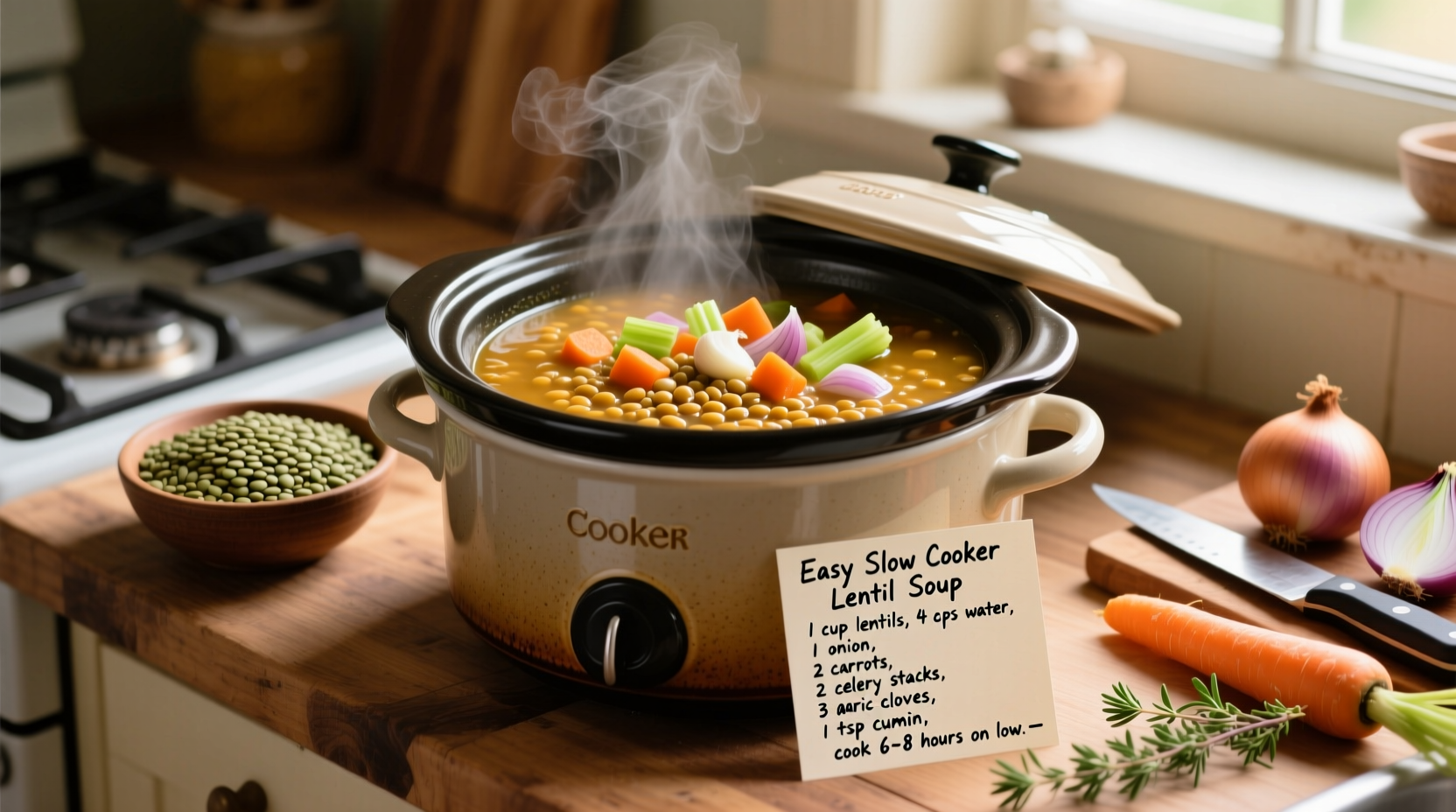
Lentil soup is a hearty, plant-based dish made primarily from lentils—small edible legumes known for their high protein and fiber content. It typically includes aromatics like onions, garlic, carrots, and celery, along with broth or water, tomatoes, and seasonings. Variations exist worldwide: Middle Eastern versions often feature cumin and lemon; Indian dals incorporate turmeric and ginger; Mediterranean renditions use bay leaves and oregano. Despite regional differences, all share a common foundation: nutrient-dense lentils cooked until tender in a seasoned liquid base.
Using a slow cooker changes the preparation dynamic significantly. Instead of active boiling or frequent stirring, ingredients are combined raw and left to cook over several hours at low temperatures. This extended cooking time enhances flavor integration, breaks down complex starches naturally, and produces a silkier texture without blending. It's especially effective for dried lentils, which rehydrate gradually and evenly, avoiding the graininess sometimes found in rushed methods.
Key Characteristics of Slow-Cooked Lentil Soup
- Flavor: Earthy, savory, and subtly sweet from slow-cooked vegetables; depth increases with longer cooking.
- Aroma: Warm, herbal, and inviting—especially when enhanced with thyme, rosemary, or smoked paprika.
- Color/Form: Ranges from golden (yellow lentils) to deep brown or green; texture is thick and stew-like, not brothy.
- Heat Level: Naturally mild; easily adjusted with chili flakes, black pepper, or fresh peppers.
- Culinary Function: Serves as a main course, side dish, or base for grain bowls; excellent for freezing and reheating.
- Shelf Life: Lasts up to 5 days refrigerated; holds well frozen for 3 months due to stable starch structure.
Pro Tip: For optimal flavor development, sauté onions, garlic, and carrots before adding them to the slow cooker. Even 5 minutes in a pan builds a foundational layer of sweetness and umami that simmering alone cannot achieve.
Practical Usage: How to Make Easy Lentil Soup in a Slow Cooker
Creating lentil soup in a slow cooker requires minimal technique but benefits from strategic ingredient layering. Below is a tested, foolproof method suitable for beginners and experienced cooks alike.
- Prep the Aromatics: Dice one large onion, two medium carrots, and two celery stalks. Mince three cloves of garlic. If available, lightly brown these in olive oil with a pinch of salt—this step is optional but highly recommended.
- Add to Slow Cooker: Transfer sautéed mixture (or raw if skipping browning) to a 5- to 6-quart slow cooker. Add 1 cup dried brown or green lentils (rinsed), one 14.5-ounce can diced tomatoes (undrained), 4 cups vegetable or chicken broth, 1 teaspoon ground cumin, 1/2 teaspoon dried thyme, one bay leaf, and freshly cracked black pepper.
- Cook: Cover and cook on LOW for 7–8 hours or HIGH for 4–5 hours. Do not stir frequently, as this can break down lentils too much. Cooking is complete when lentils are tender but still hold shape.
- Finish: Remove bay leaf. Stir in 2 cups chopped kale or spinach during the last 30 minutes of cooking. Adjust seasoning with salt, additional cumin, or a splash of lemon juice for brightness.
- Serve: Ladle into bowls and garnish with fresh parsley, grated Parmesan, or a drizzle of extra virgin olive oil.
This version yields about six servings and scales easily. To increase heartiness, add diced potatoes or sweet potatoes at the beginning. For added protein, include a ham hock or smoked turkey leg at the start—remove before serving and shred meat back into the soup.
Professional Technique: Building Flavor Layers
In restaurant kitchens, chefs rely on \"mirepoix\"—a combination of onion, carrot, and celery—as the flavor base for soups and stews. Replicating this in your slow cooker ensures depth. Additionally, deglazing the sauté pan with a small amount of broth captures caramelized bits (fond), which contribute significant savoriness when poured into the slow cooker.
Another pro move: toast whole spices briefly in a dry pan before grinding. Whole cumin seeds, when toasted and crushed, release more volatile oils than pre-ground powder, resulting in a more vibrant, nuanced flavor profile.
Variants & Types of Lentils for Slow Cooking
Not all lentils behave the same way under prolonged heat. Choosing the right type affects texture, cooking time, and final appearance of the soup.
| Lentil Type | Color | Cooking Time (Slow Cooker) | Texture After Cooking | Best Use Case |
|---|---|---|---|---|
| Brown Lentils | Olive-brown | 6–8 hours on LOW | Firm but tender, slightly mushy | Ideal for classic thick soups; widely available |
| Green Lentils | Pale green | 7–9 hours on LOW | Hold shape well, al dente | Great for salads or chunkier soups |
| French Green (Puy) | Dark bluish-green | 6–8 hours on LOW | Firm, peppery, distinct grains | Premium option; excellent flavor retention |
| Red/Yellow Lentils | Orange-yellow | 4–5 hours on LOW | Break down completely, creamy | Perfect for smooth, dal-style soups |
| Black (Beluga) | Jet black, shiny | 6–7 hours on LOW | Small pearls, very firm | More gourmet; better for cold dishes |
For standard slow-cooker lentil soup, brown or green lentils are preferred because they maintain body while contributing thickness. Red lentils disintegrate quickly and create a smoother consistency—ideal if you plan to partially blend the soup or prefer a creamier mouthfeel without dairy.
Substitution Note: If using red lentils, reduce cooking time by 2–3 hours to avoid overcooking. They soften faster due to being split and polished, losing their seed coat.
Comparison with Similar Ingredients
Lentils are often confused with other legumes, particularly split peas and beans. While nutritionally similar, each has unique culinary properties that affect soup outcomes.
| Ingredient | Size/Form | Flavor Profile | Texture in Soup | Slow Cooker Suitability |
|---|---|---|---|---|
| Lentils (brown/green) | Small lens-shaped seeds | Earthy, mildly nutty | Tender yet intact after long cook | Excellent—no soaking needed |
| Split Peas (green/yellow) | Halved, flat spheres | Sweeter, milder than lentils | Break down completely; very thick | Very good—but require longer cook |
| Dried Beans (e.g., kidney, cannellini) | Larger, oval or round | Beany, robust | Firm unless soaked first | Fair—must be pre-soaked to avoid toxins |
Unlike beans, lentils do not require pre-soaking. They cook faster and are less likely to cause digestive discomfort when properly rinsed. Split peas behave similarly but lack the slight bite lentils offer. Substituting beans in a lentil soup recipe without prior soaking can lead to undercooked centers and increased phytic acid content, which interferes with mineral absorption.
\"Lentils are the workhorse of the pulse world—they deliver protein, fiber, and flavor without demanding special preparation. In my kitchen, they’re always on standby for a quick, nourishing meal.\" — Chef Elena Martinez, Plant-Based Cuisine Instructor
Practical Tips & FAQs
Can I leave the slow cooker unattended?
Yes. Modern slow cookers are designed for safe, long-term operation. Ensure the unit is on a heat-safe surface, away from flammable materials, and filled between one-half and three-quarters capacity.
Do I need to soak lentils before using them?
No. Unlike dried beans, lentils do not require soaking. Rinsing under cold water to remove dust or debris is sufficient.
Why did my soup turn out too watery?
Lentils vary in age and absorbency. Older lentils may take longer to thicken. If soup is thin after cooking, remove the lid and switch to HIGH for 30–60 minutes to allow evaporation. Alternatively, mash some lentils against the side of the pot to release starch.
Can I make this recipe vegan or gluten-free?
Absolutely. Use vegetable broth and omit any meat-based additives. All lentils are naturally gluten-free, but verify broth labels to ensure no hidden gluten-containing ingredients.
How do I store leftovers?
Cool soup within two hours of cooking. Store in airtight containers in the refrigerator for up to five days. Freeze in portion-sized containers for up to 12 weeks. Thaw overnight in the fridge or reheat directly from frozen on the stove over medium-low heat.
What are the best toppings for lentil soup?
- Fresh herbs: parsley, cilantro, or dill
- Acidic elements: lemon juice, vinegar, or pickled onions
- Creamy additions: plain yogurt, sour cream, or tahini swirl
- Crispy textures: croutons, roasted seeds, or fried shallots
- Savory boosts: grated cheese, crispy bacon, or anchovy paste
Is lentil soup healthy?
Extremely. One serving provides approximately 18g of plant-based protein and 15g of dietary fiber. It’s low in fat, rich in iron and folate, and supports cardiovascular health. Regular consumption is linked to improved digestion and sustained energy levels.
Summary & Key Takeaways
Preparing an easy lentil soup in a slow cooker combines nutritional excellence with practical convenience. By leveraging time instead of technique, home cooks can produce a deeply flavorful, filling meal with minimal daily effort. The process hinges on selecting the right lentil variety, layering aromatics thoughtfully, and understanding how ingredients evolve during extended cooking.
Brown and green lentils perform best in slow-cooked soups, maintaining texture while enriching the broth. Red lentils offer a creamier alternative ideal for blended versions. Unlike beans, lentils require no soaking and pose fewer safety concerns in unattended appliances. With proper seasoning and finishing touches—such as greens, citrus, and herbs—the final dish transcends simplicity to become something truly memorable.
This recipe adapts seamlessly to dietary needs, serving as a cornerstone of vegetarian, vegan, gluten-free, and heart-healthy eating plans. Its scalability makes it perfect for batch cooking, and its freezer stability ensures future meals are always within reach.
Final Recommendation: Try this recipe once a month to build kitchen confidence and expand your repertoire of hands-off, nutritious meals. Once mastered, experiment with global spice blends—try curry powder for an Indian twist, harissa for North African heat, or smoked paprika for Spanish flair.




 浙公网安备
33010002000092号
浙公网安备
33010002000092号 浙B2-20120091-4
Comments
No comments yet. Why don't you start the discussion?