
Applying lotion to your back might seem simple in theory, but without a partner or proper technique, it's one of the most overlooked areas of skincare. Dry, flaky, or itchy skin on the back is common—not because people don’t care, but because reaching every spot consistently is challenging. The good news? With the right tools, timing, and method, you can achieve even, thorough coverage on your own. This guide walks you through practical, tested strategies to moisturize your back effectively, prevent dryness, and maintain healthy skin year-round.
Why Moisturizing Your Back Matters
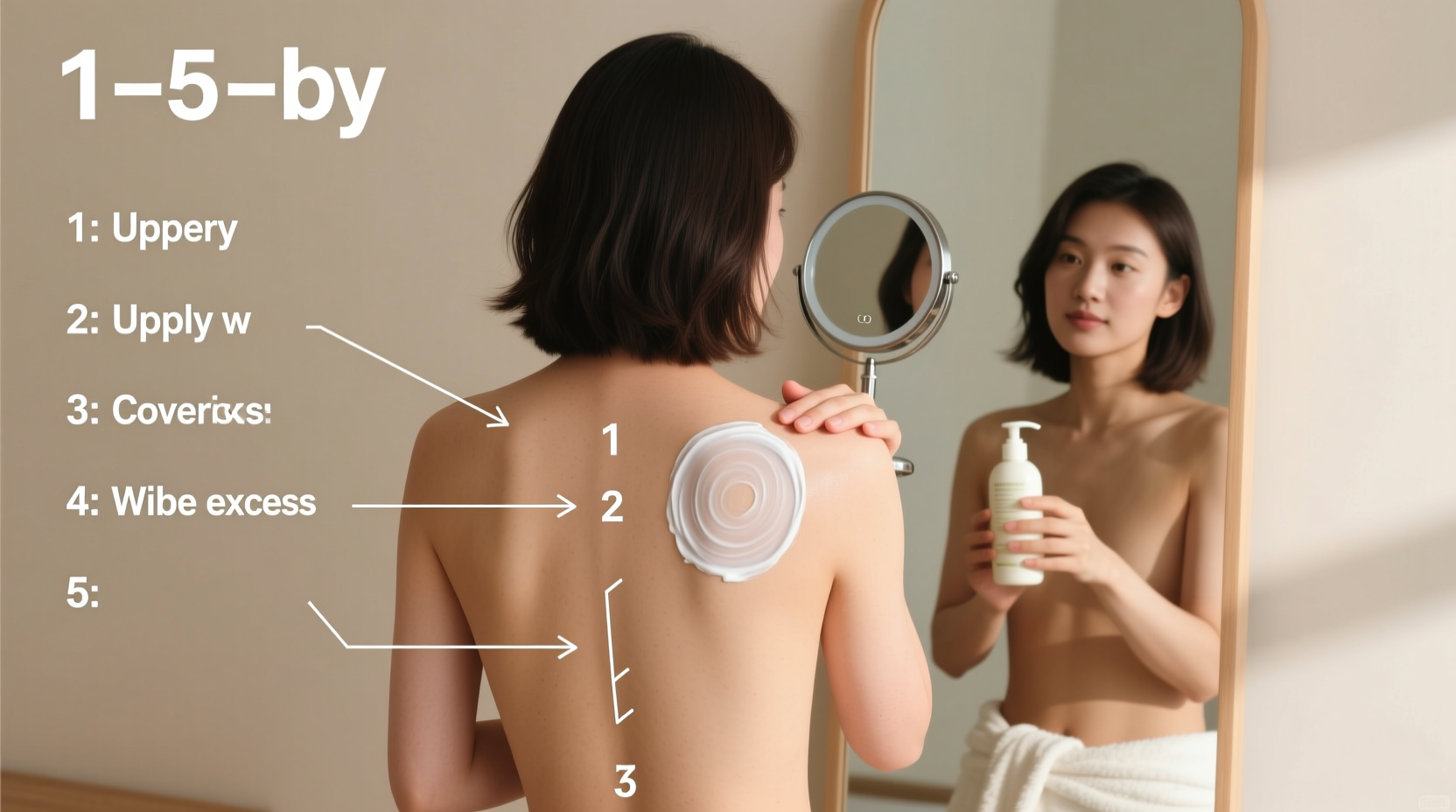
The skin on your back is thicker than on your face, but it’s still susceptible to dryness, irritation, and conditions like keratosis pilaris or acne. Clothing friction, sweat buildup, and exposure to sun or chlorinated water can strip natural oils. Regular moisturizing helps maintain the skin’s barrier, reduces itching, and prevents premature flaking or rough texture.
Skipping back care may lead to more than discomfort—it can result in clogged pores, ingrown hairs, or discoloration over time. Dermatologists emphasize that full-body hydration isn't optional for healthy skin; it's essential.
“People often forget their back until there’s an issue. Consistent moisturizing prevents problems before they start.” — Dr. Lena Reyes, Board-Certified Dermatologist
Step-by-Step Guide to Applying Lotion to Your Back
Follow this detailed sequence to ensure no area is missed, even when working solo.
- Shower first with lukewarm water. Warm (not hot) water opens pores gently and removes surface dirt. Use a mild cleanser to avoid stripping natural oils.
- Pat skin dry—leave slightly damp. Towel off most moisture but keep skin slightly wet. Lotion absorbs better into damp skin, locking in hydration.
- Choose the right lotion. Opt for fragrance-free, non-comedogenic formulas if you’re prone to breakouts. For very dry skin, use creams with ceramides, shea butter, or hyaluronic acid.
- Use a long-handled applicator or sponge. Apply lotion directly onto the tool, not your hand. Start at the lower back and work upward in circular motions.
- Focus on problem zones. Pay extra attention to the upper shoulders, spine line, and shoulder blades—common dry spots.
- Check coverage with a mirror. Stand sideways in front of a full-length mirror to inspect hard-to-see areas. Adjust as needed.
- Wash applicator weekly. Prevent bacterial buildup by rinsing sponges or wiping down brushes regularly.
Tools That Make a Difference
You don’t need expensive gadgets, but the right tools improve reach, consistency, and hygiene. Here are top options ranked by effectiveness and ease of use.
| Tool | Best For | Pros | Cons |
|---|---|---|---|
| Long-handled back applicator | Precise application | Reusable, ergonomic grip, holds lotion well | Requires cleaning; initial cost (~$10–$15) |
| Silicone bath sponge | Even spreading | Inexpensive, soft texture, dries quickly | May wear out after 2–3 months |
| Roll-on lotion bottle | Hands-free delivery | Covers large areas fast; minimal waste | Limited control over pressure |
| Mirror + hands only | No tools needed | Zero cost, always available | Uneven coverage, misses mid-back easily |
Common Mistakes to Avoid
- Using too much product. Over-application leads to greasy residue and clogged pores. Start with a quarter-sized amount and add more only if needed.
- Rushing the process. Skimming over the back means missing patches. Take 2–3 minutes to cover thoroughly.
- Ignoring the upper back near hairline. This area often gets neglected but is exposed to shampoo and conditioner buildup.
- Using expired or thick ointments. Old lotions lose efficacy. Thick products like petroleum jelly aren’t ideal unless treating extreme dryness—they don’t absorb well.
Real Example: How Sarah Solved Her Chronic Dry Back
Sarah, a 34-year-old teacher, struggled with persistent dryness and occasional itchiness along her spine. She assumed it was due to seasonal changes until she realized she hadn’t properly moisturized her back in over a year. Using only her hands, she could never reach the center of her back.
She started using a long-handled silicone applicator with a hydrating cream containing ceramides. After showering each evening, she applied lotion using overlapping circular motions. Within two weeks, the flakiness diminished. By week four, her skin felt smoother and no longer itched under wool sweaters. “I didn’t realize how much difference consistent application made,” she said. “Now it’s part of my routine, just like brushing my teeth.”
Expert-Recommended Checklist for Effective Back Moisturizing
Use this checklist daily or every time you shower to build a reliable habit:
- ✅ Shower using warm (not hot) water
- ✅ Gently cleanse back with non-drying soap
- ✅ Pat skin dry, leaving it slightly damp
- ✅ Load applicator with appropriate lotion
- ✅ Apply from lower back upward in circles
- ✅ Cover sides, shoulders, and spine area
- ✅ Inspect coverage in mirror
- ✅ Clean applicator weekly
- ✅ Reapply if skin feels tight later in the day
Frequently Asked Questions
Can I use body oil instead of lotion on my back?
Yes, body oils like jojoba or argan oil deeply nourish dry skin and absorb well. However, they can feel greasy initially. Apply sparingly and allow 10–15 minutes to absorb before dressing. Oils are especially effective in winter or low-humidity environments.
How often should I moisturize my back?
Daily moisturizing is ideal, especially after bathing. If your skin isn’t particularly dry, every other day may suffice. Those with conditions like eczema or psoriasis should follow a dermatologist’s recommendation, which may include medicated moisturizers twice daily.
Is it safe to use a loofah to apply lotion?
No. Loofahs are designed for exfoliation, not lotion application. Using them with moisturizer can trap bacteria and dead skin, increasing infection risk. Stick to clean sponges or dedicated lotion applicators.
Final Thoughts: Make It a Habit, Not a Hassle
Moisturizing your back doesn’t have to be complicated or require assistance. With a few smart choices—like using the right tool, timing it right after a shower, and checking coverage—you can maintain soft, healthy skin independently. The key is consistency. Just like facial skincare, your body deserves regular attention. Small efforts compound into visible results: reduced dryness, fewer breakouts, and improved comfort in clothing.
Start tonight. Grab a simple applicator, pick a lotion suited to your skin type, and spend three focused minutes caring for your back. In a few weeks, you’ll notice the difference—not just in how your skin looks, but how it feels.




 浙公网安备
33010002000092号
浙公网安备
33010002000092号 浙B2-20120091-4
Comments
No comments yet. Why don't you start the discussion?