
Cat owners know that cleaning the litter box is a daily responsibility—but what happens after scooping can have lasting effects on health, hygiene, and the environment. Flushing cat waste or tossing it in the trash may seem convenient, but both come with serious drawbacks. From water contamination to landfill buildup, improper disposal poses risks we can no longer ignore. Fortunately, there are safer, more sustainable alternatives that protect your family, your pet, and the planet.
The key lies in understanding what makes cat waste potentially hazardous and how to manage it responsibly. With thoughtful choices in litter type, disposal tools, and long-term habits, you can turn a routine chore into an act of environmental stewardship.
Why Cat Poop Requires Special Care
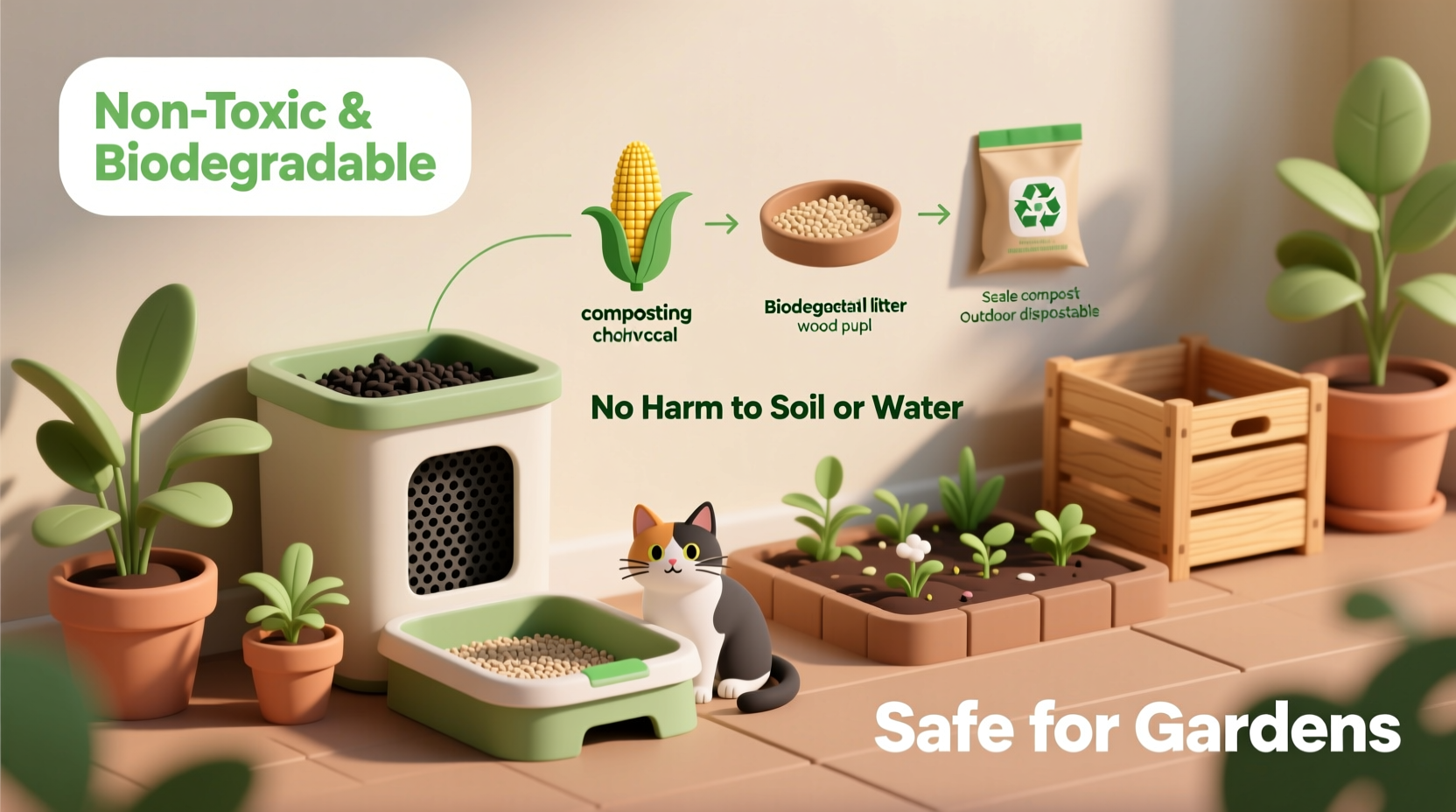
Cat feces isn’t just unpleasant—it can carry Toxoplasma gondii, a parasite linked to toxoplasmosis, which poses serious health risks, especially to pregnant individuals and those with weakened immune systems. This parasite can survive wastewater treatment processes and has been found in marine life, indicating that flushing cat waste contributes to ecological harm.
Additionally, most commercial cat litters are made from clay (often strip-mined bentonite), which is non-renewable and energy-intensive to produce. When combined with plastic bags and sent to landfills, traditional disposal methods create a cycle of environmental damage.
“Flushing cat waste, even in small amounts, introduces pathogens into waterways that can affect wildlife and human health.” — Dr. Lena Patel, Environmental Microbiologist
Eco-Friendly Disposal Methods That Work
Switching to sustainable disposal doesn’t mean sacrificing convenience. Several effective methods balance safety, practicality, and environmental impact.
1. Composting (With Caution)
Composting cat waste is possible—but only under strict conditions. It must be done in a dedicated, isolated compost system, never mixed with compost used for food gardens. The pile must reach high temperatures (above 165°F) consistently to kill pathogens like Toxoplasma.
- Use only biodegradable, plant-based litters (e.g., pine, paper, or wheat).
- Choose a compost bin specifically for pet waste, located away from vegetable gardens.
- Layer waste with carbon-rich materials like sawdust or dry leaves.
- Avoid using the compost on edible plants; instead, use it on ornamental trees or shrubs.
2. Biodegradable Waste Bags + Landfill Disposal
If composting isn’t feasible, switching from plastic bags to certified compostable or biodegradable bags reduces plastic pollution. While these still end up in landfills, they break down faster than conventional plastics under the right conditions.
Look for bags labeled “BPI-certified” or meeting ASTM D6400 standards. Store them in a cool, dry place to prevent premature degradation.
3. Flushable Litter (Only If Safe)
Some litters made from walnut shells, corn, or recycled paper are marketed as flushable. However, this option comes with caveats:
- Check local regulations—many municipalities ban flushing any cat waste.
- Ensure your plumbing and septic system can handle organic material.
- Never flush clumping clay or silica gel litters—they cause blockages.
Even with flushable litter, experts advise against regular flushing due to the risk of parasite contamination in water supplies.
4. Municipal Pet Waste Collection Programs
A growing number of cities offer specialized pet waste collection services that process waste in anaerobic digesters, converting it into biogas or safe compost. These programs often provide curbside pickup in sealed, compostable bins.
While primarily focused on dog waste, some accept cat waste if placed in approved containers. Check with your local sanitation department or search for services like “Pet Poo Power” or “PooPrints Waste-to-Energy” initiatives.
Choosing the Right Litter for Sustainable Disposal
Your litter choice directly impacts how safely and sustainably you can dispose of waste. Below is a comparison of common litter types based on environmental impact and disposal options.
| Litter Type | Biodegradable? | Flushable? | Compostable? | Landfill Impact |
|---|---|---|---|---|
| Clay (Bentonite) | No | No | No | High – non-renewable, long decomposition |
| Silica Gel Crystals | No | No | No | Very High – synthetic, energy-intensive |
| Pine or Paper Pellets | Yes | Limited | Yes (with precautions) | Low – renewable, breaks down naturally |
| Wheat or Corn-Based | Yes | Yes (check local rules) | Yes (separate system) | Low to Moderate |
| Recycled Newspaper | Yes | No | Yes | Low |
Selecting plant-based, low-dust litters not only supports greener disposal but also improves indoor air quality and reduces respiratory issues in cats.
Step-by-Step Guide to Safer Daily Disposal
Follow this routine to minimize health risks and environmental impact every time you clean the litter box:
- Scoop daily using a metal or recyclable plastic scoop—avoid single-use tools.
- Shake excess litter back into the tray to reduce waste volume.
- Deposit waste into a compostable bag or sealed container designated for pet waste.
- Tie the bag securely to contain odor and prevent pathogen spread.
- Wash hands thoroughly with soap and water afterward—never skip this step.
- Dispose of the bag in an outdoor trash bin with a tight lid to deter pests.
- Sanitize the scoop weekly with a vinegar-and-water solution (1:1 ratio) or pet-safe disinfectant.
Mini Case Study: A City Apartment’s Zero-Waste Transition
Maria, a cat owner in Portland, Oregon, was frustrated by the constant stream of plastic bags going into her trash. After learning about toxoplasmosis risks and landfill waste, she decided to make a change. She switched to a pine pellet litter, started using BPI-certified compostable bags, and began participating in a pilot pet waste collection program offered by the city.
Within three months, Maria reduced her household’s non-recyclable waste by nearly 15%. Though composting wasn’t viable in her apartment, the municipal service picked up sealed bins every week and converted the waste into renewable energy. Her cats adjusted easily, and she now advocates for similar programs in neighboring communities.
Essential Checklist for Responsible Cat Waste Management
- ✅ Use biodegradable, plant-based cat litter
- ✅ Scoop waste daily to maintain hygiene
- ✅ Store waste in sealed, leak-proof containers
- ✅ Dispose of waste in compostable bags when possible
- ✅ Avoid flushing unless using approved litter and local laws allow it
- ✅ Never add cat waste to home compost used for food gardening
- ✅ Explore municipal pet waste-to-energy programs
- ✅ Wash hands and tools after handling waste
Frequently Asked Questions
Can I compost cat poop at home?
You can, but only in a dedicated compost system that reaches high temperatures (over 165°F) and is used exclusively for pet waste. Never use this compost on vegetables or herbs intended for consumption.
Is it safe to flush cat poop if I use flushable litter?
It depends. While some litters are labeled flushable, many environmental agencies—including the CDC—advise against flushing cat waste due to the risk of spreading Toxoplasma gondii through water systems. Always check local wastewater regulations before doing so.
What’s the most eco-friendly way to dispose of cat litter?
The most sustainable method is using biodegradable litter in combination with a municipal pet waste collection program that converts waste into energy or safe compost. If unavailable, sealing waste in compostable bags and placing it in secure outdoor trash bins is the next best option.
Final Thoughts: Small Changes, Big Impact
Disposing of cat poop responsibly goes beyond convenience—it’s a commitment to public health and planetary well-being. Every time you choose a compostable bag over plastic or research local waste programs, you contribute to a cleaner, safer world.
Start today by auditing your current routine. Swap one element—your litter, your bag, your disposal method—and build from there. Sustainability isn’t about perfection; it’s about progress. Your cat may not notice the difference, but the environment will.




 浙公网安备
33010002000092号
浙公网安备
33010002000092号 浙B2-20120091-4
Comments
No comments yet. Why don't you start the discussion?