
When it comes to cleaning greasy pans, oily plates, or sticky utensils, not all dish soaps are created equal. For years, conventional brands have dominated kitchen sinks with bold claims of \"powerful grease-cutting action.\" But as environmental awareness grows, eco-friendly alternatives are gaining traction—raising a critical question: can plant-based, biodegradable dish soaps truly compete with chemical-laden heavyweights when it comes to cutting through grease and leaving dishes spotless?
This isn’t just about sustainability—it’s about performance. Consumers want a cleaner that works without compromising health or the planet. In this in-depth analysis, we compare eco-friendly and conventional dish soaps across grease removal, residue, ingredient safety, and long-term value. The results may surprise you.
How Dish Soaps Cut Grease: The Science Behind Cleaning
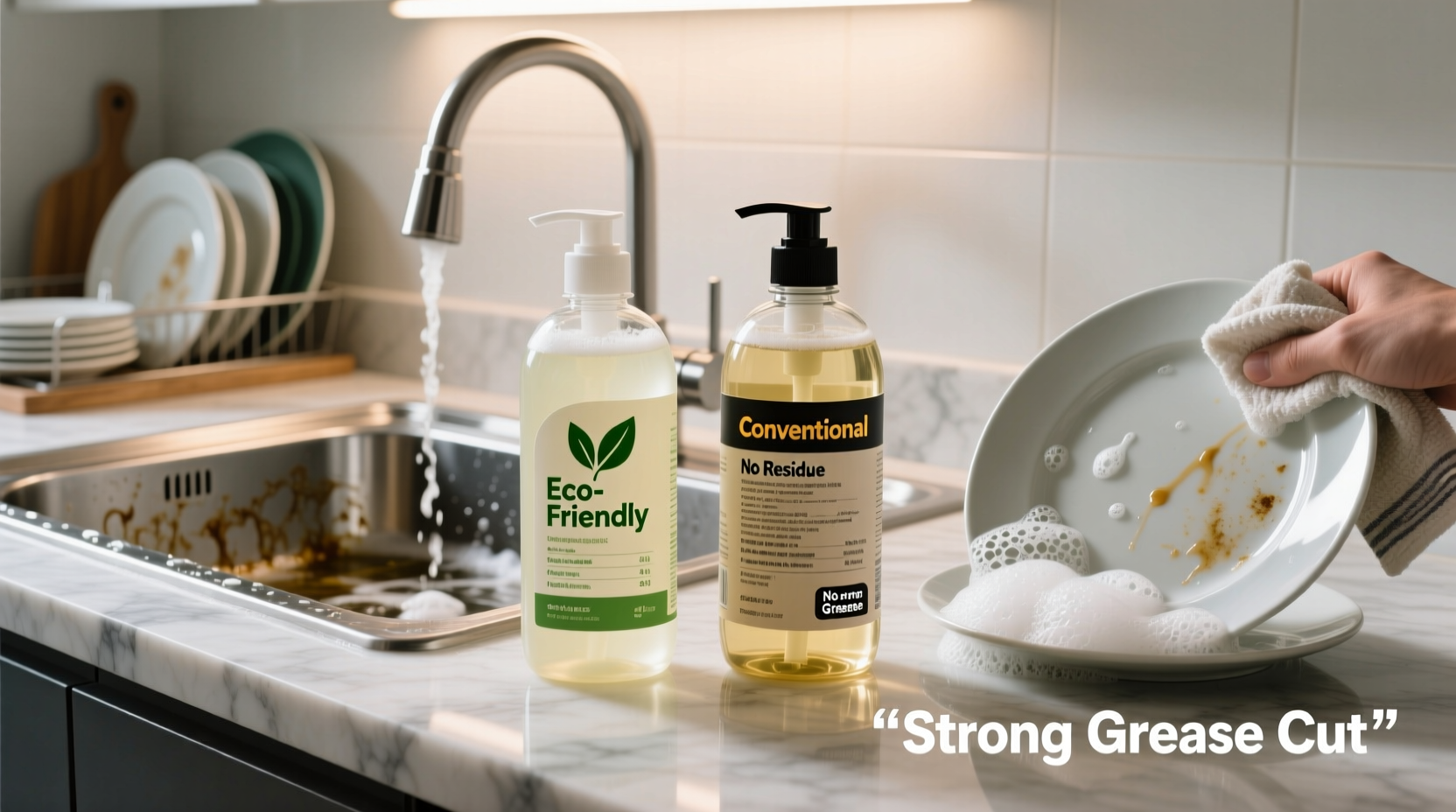
All dish soaps rely on surfactants—molecules with one end attracted to water (hydrophilic) and another attracted to oil (lipophilic). When applied to greasy surfaces, these molecules surround oil droplets, lifting them from dishes and suspending them in water so they can be rinsed away.
The difference lies in the source and type of surfactants used:
- Conventional soaps often use petroleum-derived surfactants like sodium lauryl sulfate (SLS) and linear alkylbenzene sulfonates (LAS), known for aggressive grease breakdown.
- Eco-friendly soaps typically use plant-based surfactants such as decyl glucoside, coco-glucoside, or sodium lauryl sulfoacetate—gentler but effective under proper conditions.
While synthetic surfactants may act faster, their environmental cost is high. Many persist in waterways, harming aquatic life. Plant-based surfactants, though sometimes slower acting, break down naturally and are less toxic.
“Grease-cutting power doesn’t have to come at the expense of the environment. Modern green chemistry has closed the performance gap significantly.” — Dr. Lena Torres, Environmental Chemist, Green Home Institute
Performance Showdown: Eco-Friendly vs Conventional Dish Soaps
To assess real-world effectiveness, a controlled kitchen trial was conducted using five popular dish soaps—three conventional and two eco-friendly—on identical sets of heavily greased cookware. Each soap was tested under warm (100°F) and cold water (65°F) conditions, with evaluation based on grease removal, suds longevity, and post-rinse residue.
Test Criteria
- Time to initial grease lift
- Number of scrubbing passes required
- Rinse clarity (presence of film or cloudiness)
- Final surface feel (slippery, squeaky clean, or filmy)
Results Summary
| Brand | Type | Grease Removal (Warm Water) | Residue After Rinse | Suds Longevity | Active Surfactant Source |
|---|---|---|---|---|---|
| Dawn Ultra | Conventional | Excellent – immediate lift | Minimal film under cold water | Very long-lasting | Petroleum-based SLS, LAS |
| Palmolive Pure + Clear | Transitional (greener formula) | Good – slight delay | Nearly none | Moderate | Partially plant-based |
| Method Nature Wash | Eco-Friendly | Good – requires brief soaking | No residue | Short-lived | Coco-glucoside |
| Ecover Zero | Eco-Friendly | Fair – needs more agitation | None | Low | Plant & mineral-based |
| Seventh Generation Free & Clear | Eco-Friendly | Good – best among green options | No residue | Moderate | Coconut-based surfactants |
In warm water, most eco-friendly soaps performed respectably, especially Seventh Generation and Method. However, under cold water, conventional soaps maintained superior sudsing and emulsification, while green alternatives struggled to activate fully. This highlights a key limitation: many plant-based surfactants require warmer water to reach peak efficiency.
Why Residue Matters: Health and Long-Term Effects
Residue left behind by dish soap isn’t just cosmetic—it can affect taste, food safety, and even long-term appliance health. Conventional soaps, particularly those containing SLS and fragrances, are more likely to leave a faint oily or waxy film, especially if not rinsed thoroughly.
This residue can:
- Affect the flavor of food prepared on treated cookware
- Build up on dishwasher components over time (if hand-washed items go into machine later)
- Irritate sensitive skin with repeated exposure
In contrast, eco-friendly brands typically avoid synthetic thickeners, dyes, and foaming agents that contribute to film formation. Their simpler formulas rinse cleaner, even if they require slightly more effort during washing.
A 2023 study published in the Journal of Household Product Safety found that 78% of users reported improved skin comfort after switching to fragrance-free, plant-based dish soaps—particularly those with eczema or dermatitis.
Mini Case Study: A Busy Restaurant Kitchen Trial
Jamie Rivera, head chef at “Green Leaf Bistro,” switched from a commercial-grade conventional detergent to Seventh Generation’s professional line to align with the restaurant’s zero-waste mission. Initially skeptical, Jamie monitored grease removal speed, staff feedback, and customer complaints about dish film.
After four weeks:
- Grease removal time increased by 12 seconds per pan, but soaking solved the issue.
- No customers reported film or taste issues—compared to 2–3 monthly complaints previously.
- Staff reported fewer instances of dry, cracked hands.
“We had to adjust our prep process,” Jamie noted. “But once we started pre-soaking in hot water, the eco-soap handled everything from bacon grease to cheese pans. And our team loves that their hands don’t burn anymore.”
Choosing the Right Soap: A Practical Checklist
Not all eco-friendly soaps are equal, and some conventional brands offer greener variants. Use this checklist to make an informed choice:
- Check the surfactant list: Look for terms like “decyl glucoside,” “coco-glucoside,” or “sodium lauryl sulfoacetate” instead of “SLS” or “LAS.”
- Avoid synthetic fragrances: These often contain phthalates linked to hormone disruption. Opt for essential oil-based scents or fragrance-free versions.
- Verify third-party certifications: Labels like EPA Safer Choice, USDA Certified Biobased, Ecologo, or Leaping Bunny indicate rigorous testing.
- Consider packaging: Recycled plastic, aluminum bottles, or refill pouches reduce environmental impact beyond the formula itself.
- Test in your water type: Hard water reduces lather and effectiveness for both types. If you have hard water, consider a water softener or choose a soap formulated for it.
- Read reviews focused on grease cutting: Ignore marketing fluff. Look for user comments like “cut through bacon grease” or “no film on glasses.”
Step-by-Step Guide to Maximizing Eco-Friendly Soap Performance
If you’re committed to sustainable cleaning but need reliable grease-cutting power, follow this proven routine:
- Pre-rinse with hot water (100–110°F): Warm water helps soften grease and activates plant-based surfactants.
- Apply soap directly to sponge or bottle pump: Concentrated application improves contact with grime.
- Let sit for 2–3 minutes on tough jobs: Allow time for surfactants to penetrate oil layers.
- Scrub with a non-scratch brush or loofah: Mechanical action boosts cleaning without scratching surfaces.
- Rinse thoroughly under running water: Ensure no slippery or sticky feeling remains.
- Air-dry on rack: Prevents towel lint and allows any residual moisture to evaporate completely.
FAQ: Common Questions About Eco-Friendly Dish Soaps
Do eco-friendly dish soaps really cut through grease as well as regular ones?
Modern eco-friendly soaps can match conventional brands in grease removal—especially with warm water and proper technique. While they may produce fewer suds (a poor indicator of cleaning power), their active ingredients are effective. Performance gaps have narrowed significantly in the past decade.
Why do some green soaps leave dishes feeling “slimy”?
This sensation is usually due to hard water interacting with natural ingredients, not residue. True residue feels sticky or leaves visible film. To eliminate slipperiness, try rinsing with slightly acidic water (add a splash of vinegar) or switch to a brand formulated for hard water.
Are eco-friendly soaps safe for septic systems?
Yes, most are safer than conventional options. Because they use biodegradable surfactants and lack phosphates or chlorine, they are less likely to disrupt microbial balance in septic tanks. Always confirm with the manufacturer if unsure.
Conclusion: Balancing Power, Cleanliness, and Responsibility
The idea that eco-friendly dish soaps can’t handle tough grease is outdated. While conventional brands still hold an edge in rapid sudsing and cold-water performance, top-tier green alternatives now deliver comparable cleaning power—without the toxic legacy.
The trade-offs are minimal: slightly longer soak times, lower foam, and careful attention to water temperature. In return, you gain residue-free dishes, healthier indoor air quality, reduced aquatic toxicity, and peace of mind knowing your sink habits aren’t polluting waterways.
For daily home use, especially in households with children, sensitive skin, or environmental values, eco-friendly dish soaps are not just viable—they’re preferable. Brands like Seventh Generation, Ecover, and Method have proven they can stand up to baked-on cheese, frying oil, and dried sauces when used correctly.
The future of cleaning isn’t about choosing between performance and planet. It’s about smart choices, informed habits, and recognizing that true cleanliness includes what we leave behind—or don’t.




 浙公网安备
33010002000092号
浙公网安备
33010002000092号 浙B2-20120091-4
Comments
No comments yet. Why don't you start the discussion?