
Mahi mahi is a lean, firm-fleshed fish prized for its mild sweetness and versatility in the kitchen. Often found on restaurant menus with tropical salsas or citrus glazes, it’s equally at home in weeknight dinners. The challenge isn’t flavor—it’s texture. Cooked properly, mahi mahi is moist and flaky; overcooked, it turns dry and tough. The good news: with the right techniques, anyone can master this popular seafood staple using simple tools and ingredients.
This guide focuses on practical, accessible cooking methods that deliver consistent results—whether you're grilling outdoors, pan-searing on the stovetop, baking in the oven, or even using a sous-vide setup. Each approach preserves moisture, enhances natural taste, and ensures your fillets come out perfectly every time.
Why Mahi Mahi Responds Well to High-Heat Methods
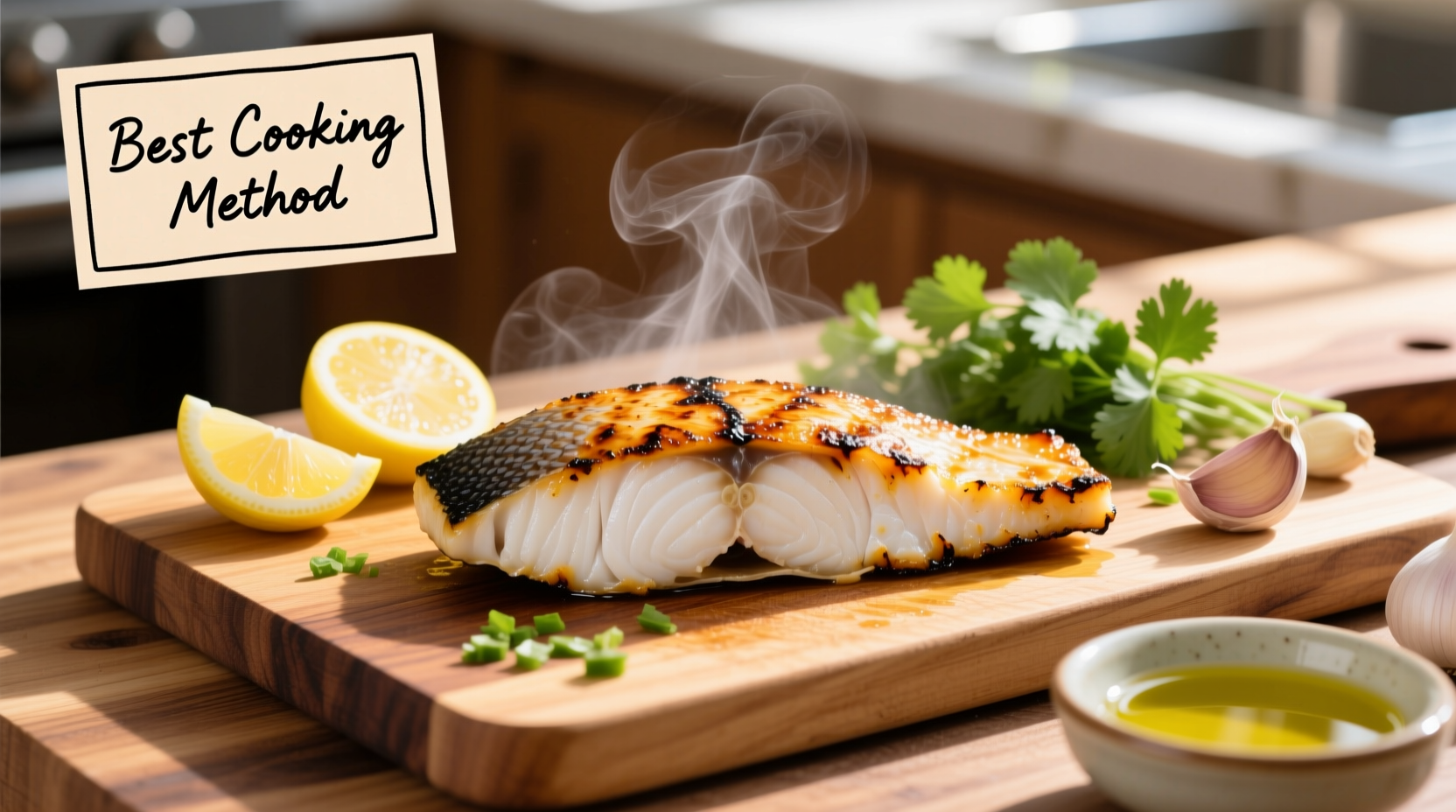
Mahi mahi has a moderately firm texture and low fat content, which makes it ideal for high-heat cooking like grilling or searing. Unlike oil-rich fish such as salmon, which benefit from gentle heat, mahi mahi holds up well under direct flame or hot pans because its muscle fibers are tightly packed. This structure allows it to develop a golden crust while staying tender inside—provided you don’t overcook it.
The key is timing. Most mahi mahi fillets are about 1 inch thick, requiring only 8–10 minutes total cooking time depending on method. Because the fish cooks quickly, it's essential to monitor internal temperature. The USDA recommends cooking fish to an internal temperature of 145°F (63°C), but many chefs pull it off the heat at 140°F (60°C) and let carryover cooking finish the job, preserving juiciness.
Step-by-Step Guide: Pan-Searing Mahi Mahi to Perfection
Pan-searing is one of the easiest and most reliable ways to achieve restaurant-quality results at home. It requires minimal equipment and delivers a crisp exterior with a moist interior.
- Prep the fillets: Use skinless fillets (skin-on can curl during cooking). Trim any dark spots—they’re safe to eat but can be slightly stronger in flavor. Pat dry thoroughly with paper towels.
- Season simply: Salt and pepper are sufficient. For extra depth, add garlic powder, paprika, or dried herbs. Avoid heavy marinades unless planning to grill later.
- Heat the pan: Use stainless steel or cast iron. Heat 1–2 tablespoons of high-smoke-point oil (like avocado or grapeseed) over medium-high heat until shimmering.
- Sear the first side: Place fillets in the pan without crowding. Cook undisturbed for 3–4 minutes until golden brown.
- Flip and finish: Turn carefully with a spatula. Add a tablespoon of butter, crushed garlic, and lemon slices to the pan. Baste the top of the fish with the melted butter mixture for 2–3 minutes more.
- Rest briefly: Remove from heat and let sit for 2 minutes before serving.
This method works especially well when paired with fresh garnishes like mango-avocado salsa or cilantro-lime crema.
Comparison of Cooking Methods: Pros, Cons, and Best Uses
| Method | Time Required | Texture Result | Best For | Common Pitfall |
|---|---|---|---|---|
| Pan-Searing | 10 minutes | Crispy outside, juicy inside | Indoor cooking, quick meals | Overcrowding pan causes steaming |
| Grilling | 10–12 minutes | Firm, smoky, slightly charred | Outdoor entertaining, summer dishes | Fish sticks to grates if not oiled |
| Baking | 12–15 minutes | Evenly cooked, delicate | Meal prep, foil packets | Drying out if overbaked |
| Sous-Vide | 1–1.5 hours | Perfectly even, buttery | Special occasions, precision cooking | Requires immersion circulator |
| Broiling | 8–10 minutes | Lightly caramelized top, soft bottom | Fast finishing, topping with crumbs | Burning if watched too late |
Real Example: How a Home Cook Mastered Grilled Mahi Mahi
Sarah, a working mom in San Diego, used to avoid cooking fish because her family complained it was “rubbery” or “bland.” After trying grilled mahi mahi at a beachside taco stand, she decided to replicate it. She started by marinating thawed fillets in olive oil, lime juice, cumin, and chopped cilantro for 20 minutes. Then, she preheated her gas grill to medium-high, oiled the grates, and placed the fish directly on the bars.
She cooked each side for 4 minutes, flipping only once, and served the fish with warm corn tortillas and a quick pineapple-poblano relish. Her kids asked for seconds. The turning point? She stopped overcooking. “I used to leave it on ‘just to be sure,’” she said. “Now I set a timer. That four-minute window changed everything.”
“With firm white fish like mahi mahi, confidence comes from control—not complexity. A hot pan, a light hand on seasoning, and precise timing do more than any fancy sauce.” — Chef Rafael Torres, Coastal Seafood Institute
Essential Tips for Flavor and Moisture Retention
To keep your mahi mahi tasting fresh and succulent, follow these expert-backed practices:
- Don’t skip the resting step: Let cooked fish rest 2–3 minutes before cutting. This allows juices to redistribute.
- Use acidic finishes wisely: A squeeze of lemon or lime at the end brightens flavor, but prolonged exposure to acid (in marinades) can begin to “cook” the fish and alter texture.
- Pair with complementary sides: Think beyond rice. Try grilled vegetables, quinoa pilaf, or plantains to balance the mild flavor.
- Avoid wet coatings: Wet batters tend to steam the fish rather than sear it. If breading, use a dry dredge: flour, egg wash, then panko.
- Buy quality: Look for fillets that are ivory to pinkish-white, never gray or dull. Smell should be clean and oceanic, not fishy.
Frequently Asked Questions
Can I cook frozen mahi mahi without thawing?
You can, but results vary. For baking or poaching, add 5–7 minutes to the cooking time. However, for searing or grilling, thawing first ensures even cooking and better browning. To thaw safely, place sealed fillets in cold water for 30 minutes or refrigerate overnight.
How do I know when mahi mahi is done?
The flesh should be opaque and flake easily with a fork. Insert a thermometer into the thickest part: aim for 140–145°F (60–63°C). If grilling or searing, look for a golden crust and slight resistance when pressed—firm but springy, not hard.
What spices go well with mahi mahi?
Its mild flavor pairs beautifully with bold seasonings. Try cumin, coriander, smoked paprika, chili powder, garlic, ginger, or fresh herbs like dill and parsley. Citrus zest, especially lime or orange, enhances its natural brightness.
Final Checklist Before You Cook
- Pat fillets dry with paper towels
- Preheat your cooking surface (pan, grill, oven)
- Season just before cooking
- Use oil with a high smoke point
- Set a timer—don’t guess cooking time
- Check internal temperature with a thermometer
- Let rest before serving
Conclusion: Make Every Meal a Success
Cooking great mahi mahi doesn’t require advanced skills—just attention to detail and a few proven techniques. Whether you're hosting a dinner party or making a quick weeknight meal, these methods ensure delicious, flaky results every time. The secret lies in simplicity: proper prep, controlled heat, and knowing when to stop.




 浙公网安备
33010002000092号
浙公网安备
33010002000092号 浙B2-20120091-4
Comments
No comments yet. Why don't you start the discussion?