
A student’s backpack is more than just a bag—it’s a daily companion through classrooms, hallways, libraries, and commutes. Over time, it collects not only books and supplies but also dirt, sweat, food crumbs, and bacteria. Without regular cleaning, these buildups can lead to persistent odors, mold growth, and premature wear. Deep cleaning your backpack doesn’t have to be complicated or time-consuming. With the right techniques, you can restore it to near-new condition and ensure it stays hygienic and durable throughout the school year.
Why Regular Backpack Cleaning Matters
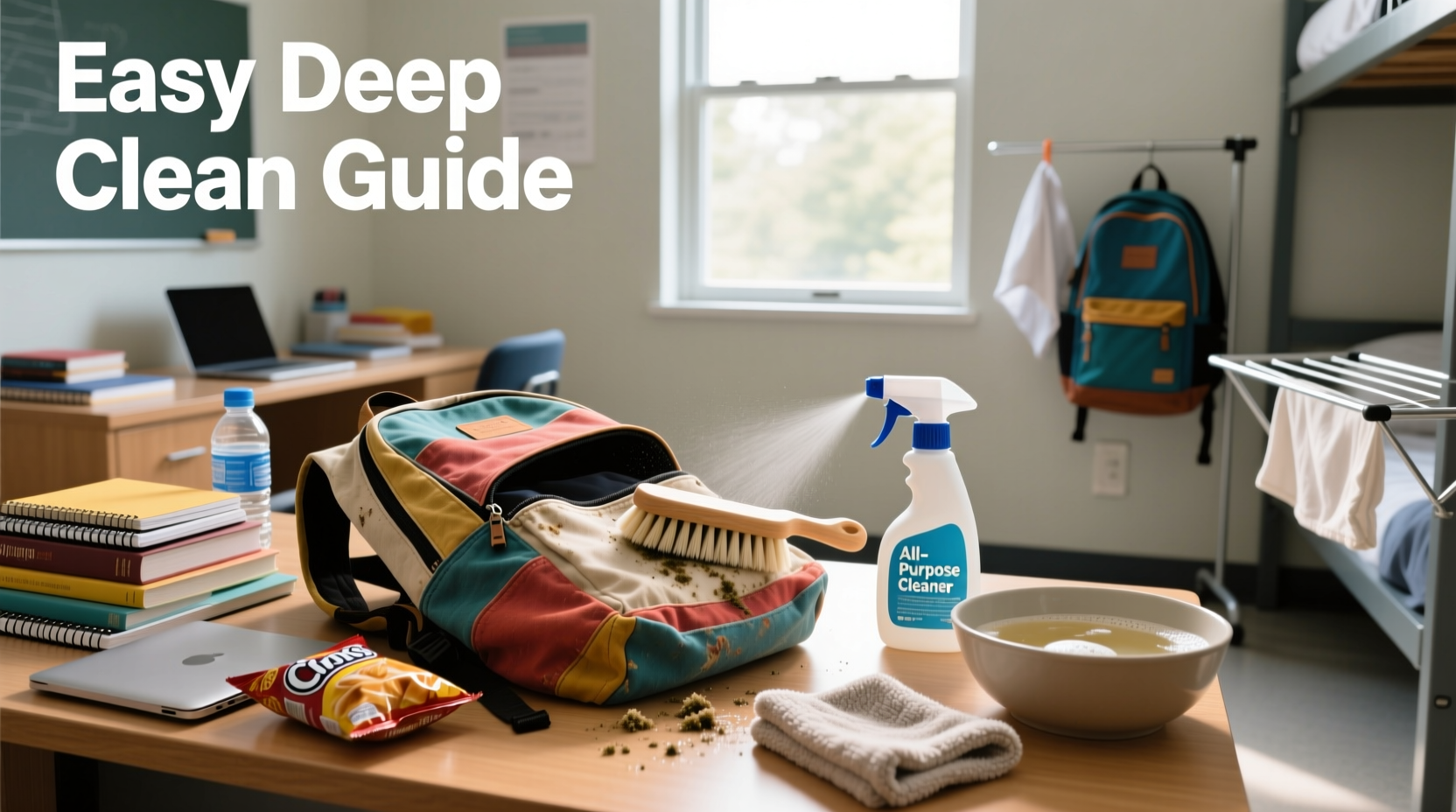
Backpacks are exposed to constant handling, floor contact, outdoor elements, and sometimes even spills from lunch containers. This makes them breeding grounds for bacteria and mildew. A study by the University of Arizona found that school backpacks carry an average of 300 times more bacteria than a toilet seat. While most of this microorganism load isn’t dangerous, uncleaned packs can contribute to skin irritation, allergies, and unpleasant smells.
Regular maintenance extends the life of zippers, straps, and fabric integrity. It also prevents stains from setting permanently and helps preserve the backpack’s original color and shape. For students who rely on their bags every day, a clean backpack contributes to better organization and a more positive mindset—starting the day with a fresh, tidy space matters.
“Just like laundry, backpacks need routine care. Skipping cleanings leads to embedded grime that weakens fabric over time.” — Dr. Lena Patel, Microbiologist & Household Hygiene Researcher
Step-by-Step Guide to Deep Cleaning Any Student Backpack
Most backpacks aren’t designed for machine washing, but that doesn’t mean they can’t be thoroughly cleaned. Follow this detailed process to safely deep clean any standard student backpack, whether made of nylon, polyester, canvas, or synthetic blends.
- Empty and Inspect: Remove all contents, including hidden items in pockets. Shake the bag upside down to dislodge crumbs and debris. Check manufacturer labels for care instructions—some backpacks may have specific warnings about water exposure or detergents.
- Pre-Treat Stains: Use a soft-bristled toothbrush and a mix of mild dish soap and warm water to gently scrub visible stains (e.g., ink, food spills, grass). Focus on high-contact areas like shoulder straps, top handles, and front pockets.
- Prepare Cleaning Solution: In a bucket, mix 1 quart of lukewarm water with 1 tablespoon of gentle detergent (like Woolite or Castile soap). Avoid bleach or strong chemicals that can degrade fabric coatings and fade colors.
- Wipe Down Interior and Exterior: Dip a microfiber cloth into the solution, wring it out well, and wipe all surfaces inside and out. Pay special attention to seams, corners, and zipper tracks where dirt accumulates. For mesh pockets, use a cotton swab to reach tight spaces.
- Rinse with Damp Cloth: Use a second clean, damp cloth with plain water to wipe away soapy residue. Leftover detergent can attract more dirt, so thorough rinsing is essential.
- Air Dry Completely: Hang the backpack upside down in a well-ventilated area, preferably outdoors or near a fan. Avoid direct sunlight, which can cause fading and weaken fabric fibers. Ensure all compartments are open to speed up drying—this usually takes 6–12 hours.
- Deodorize (Optional): Once dry, sprinkle baking soda inside overnight to neutralize lingering odors. Shake it out thoroughly before reuse.
Do’s and Don’ts When Cleaning Backpacks
| Do | Don’t |
|---|---|
| Use a soft brush or cloth to avoid scratching fabric | Use abrasive scrubbers like steel wool or stiff brushes |
| Spot test cleaning solutions on a small hidden area first | Apply undiluted cleaners directly to the material |
| Remove metal clips or electronics before cleaning | Put electronic components (e.g., USB ports) in water |
| Store the backpack fully dry in a cool, dry place | Leave it damp in a closed locker or car trunk |
| Clean every 4–6 weeks during active use | Wait until the bag smells or looks dirty to clean it |
Real Example: How One Student Fixed a Smelly Backpack
Jamal, a high school sophomore, noticed his backpack started smelling sour after a juice box leaked in his lunch compartment. He tried wiping it quickly with a paper towel, but the odor returned within days. After learning about deep cleaning in a health class, he decided to act.
He followed the step-by-step method: emptied everything, used a mixture of water and mild soap with an old toothbrush to scrub the lining, rinsed with a damp cloth, and hung it outside overnight. The next morning, he sprinkled baking soda inside and left it in his closet for six hours. The smell was completely gone, and his teachers even commented on how organized and clean his gear looked. Jamal now cleans his backpack monthly—a habit that’s saved him from embarrassment and extended the life of his favorite bag.
Alternative Methods Based on Material Type
Not all backpacks are created equal. The cleaning approach should vary slightly depending on the fabric and construction:
- Nylon/Polyester (most common): These synthetic materials are durable and water-resistant. Wipe with soapy water and air dry. Can tolerate light moisture but shouldn’t be soaked.
- Canvas: Often heavier and less water-resistant. Spot clean only. Excess water can cause stiffness or mildew if not dried properly.
- Leather Trim or Accents: Wipe with a leather-safe cleaner. Never soak. Condition occasionally to prevent cracking.
- Backpacks with Electronics (USB ports, charging cables): Avoid any moisture near tech components. Use disinfectant wipes labeled safe for electronics on those zones only.
Monthly Backpack Care Checklist
Make maintenance simple with this printable-style checklist. Perform these steps at the end of each month or between grading periods:
- ✅ Empty all compartments and remove loose trash
- ✅ Inspect for torn seams, broken zippers, or worn straps
- ✅ Wipe interior and exterior with damp soapy cloth
- ✅ Clean shoulder pads and top handle (high-touch areas)
- ✅ Deodorize with baking soda or natural spray (e.g., vinegar-water mix)
- ✅ Air dry completely before storing or using again
- ✅ Organize supplies and replace worn notebooks or pens
Frequently Asked Questions
Can I put my backpack in the washing machine?
Only if the manufacturer’s label specifically allows it. Most backpacks—even those made of machine-washable fabrics—have structural components like padding, frames, or metal hardware that can be damaged. Hand cleaning is safer and more effective for preserving shape and function.
How do I get rid of mold or mildew smell?
If your backpack has developed a musty odor, mix equal parts white vinegar and water. Dampen a cloth with the solution and wipe affected areas. Let sit for 15 minutes, then rinse with a clean damp cloth and air dry thoroughly. Vinegar kills mold spores naturally without harsh fumes.
How often should I deep clean my backpack?
Every 4 to 6 weeks during active school use. If you’ve had a spill, been caught in the rain, or stored food items, clean it immediately. Light surface wipes can be done weekly to maintain freshness.
Keep Your Backpack Fresh All Year Long
Deep cleaning a student backpack isn’t a chore—it’s an investment in hygiene, longevity, and personal responsibility. By dedicating just 30–45 minutes every few weeks, you can eliminate germs, prevent odors, and keep your gear looking sharp. The methods outlined here work across brands and styles, from basic book bags to feature-rich models with laptop sleeves and hydration pockets.
Start today: take your backpack off the hook, empty it out, and give it the refresh it deserves. A clean backpack supports a focused mind, and small habits like this build long-term discipline. Whether you're a student, parent, or educator, promoting proper bag care sets a standard for cleanliness and respect for personal belongings.




 浙公网安备
33010002000092号
浙公网安备
33010002000092号 浙B2-20120091-4
Comments
No comments yet. Why don't you start the discussion?