
Stainless steel insulated mugs are a staple in homes, offices, and outdoor adventures. Their ability to keep drinks hot or cold for hours makes them indispensable. However, frequent use can lead to stubborn stains, lingering odors, and bacterial buildup—especially in hard-to-reach areas like the lid, seal, and base of the inner chamber. While regular rinsing helps, it’s not enough to maintain hygiene and performance over time. A thorough deep cleaning routine is essential to preserve the mug’s insulation, prevent corrosion, and ensure every sip tastes as fresh as the first.
Fortunately, deep cleaning doesn’t require harsh chemicals or complicated tools. With common household items and a few smart techniques, you can restore your mug to near-new condition. This guide covers practical, tested methods that balance effectiveness with safety, ensuring your mug remains functional, odor-free, and visually clean—inside and out.
Why Deep Cleaning Matters
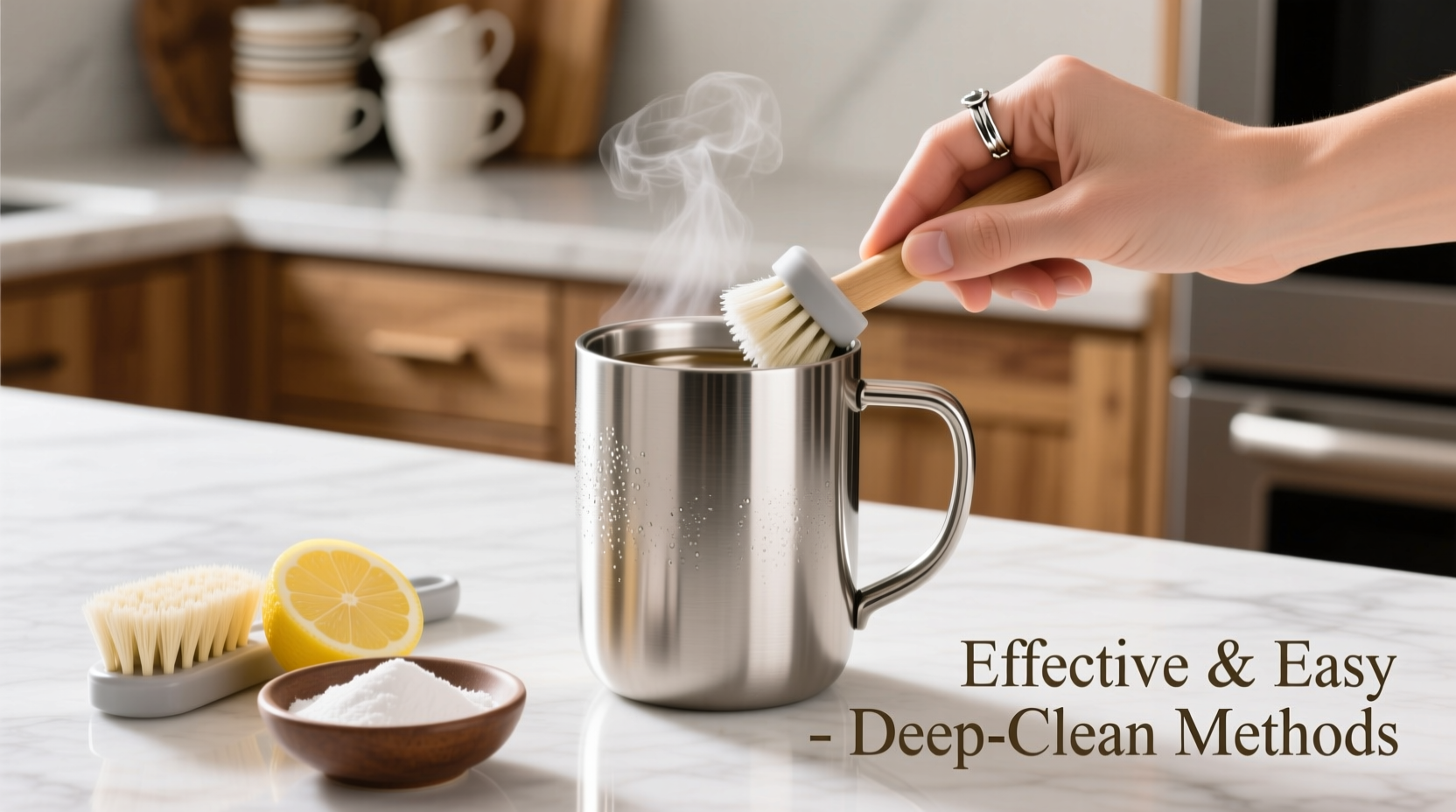
Insulated mugs may look clean on the surface, but residues from coffee, tea, protein shakes, or sugary beverages often cling to microscopic crevices. Over time, these buildups foster bacteria, mold, and persistent smells. The rubber gaskets in lids are especially prone to trapping moisture and grime, creating ideal conditions for microbial growth. Even if no visible mold appears, off-flavors and musty scents can develop.
According to Dr. Lena Patel, a microbiologist specializing in consumer product hygiene:
“Reusable containers with hidden seals and narrow openings are among the most commonly under-cleaned items in households. Without proper maintenance, they can harbor pathogens just as easily as kitchen sponges.”
Beyond health concerns, neglecting deep cleaning affects performance. Mineral deposits from hard water or coffee oils can coat the inner walls, reducing thermal efficiency. A well-maintained mug not only lasts longer but performs better, preserving temperatures more effectively.
Step-by-Step Guide to Deep Cleaning Your Mug
Cleaning an insulated mug properly involves disassembling components, treating different materials appropriately, and using safe yet powerful cleaning agents. Follow this timeline-based method for optimal results:
- Disassemble the Lid (5 minutes)
Remove the silicone gasket, plastic stopper, and any detachable parts. Most manufacturers design lids for easy breakdown. Check your mug’s manual if unsure. - Rinse All Parts (3 minutes)
Use warm water to rinse loose debris from the bottle and components. Do not skip this step—it prevents redepositing grime during deeper cleaning. - Prepare a Baking Soda Paste (2 minutes)
Mix two tablespoons of baking soda with one tablespoon of water to form a thick paste. Apply it inside the mug using a bottle brush or soft sponge. Scrub the interior thoroughly, focusing on stained or cloudy areas. - Soak Components in Vinegar Solution (15–30 minutes)
In a bowl, mix equal parts white vinegar and warm water. Submerge the lid parts—including the gasket—for at least 15 minutes. For strong odors, extend to 30 minutes. - Scrub and Rinse (10 minutes)
After soaking, gently scrub each component with a toothbrush. Pay attention to grooves where mold hides. Rinse everything under running water until no residue remains. - Final Sanitizing Rinse (Optional, 5 minutes)
For extra sanitation, pour boiling water into the main chamber and let sit for 2–3 minutes. Do not do this with plastic lids or components unless labeled heat-safe. - Air Dry Completely (1–2 hours)
Place all parts on a drying rack upside down to allow full drainage. Never reassemble while damp—trapped moisture breeds bacteria.
Alternative Cleaning Methods for Tough Stains
Sometimes, everyday residue turns into stubborn buildup. Below are three proven alternatives for challenging cases:
- Denture Tablets: Drop one tablet into warm water inside the mug and let it fizz for 30 minutes. Excellent for removing coffee rings and deodorizing.
- Hydrogen Peroxide Soak (for Mold): Mix 3% hydrogen peroxide with water (1:1) and soak lid parts for 20 minutes. Effective against mildew without damaging metal.
- Lemon Juice & Salt Abrasive: Cut a lemon in half, dip the cut side in coarse salt, and rub it inside the mug. Let sit for 10 minutes before rinsing. Natural, fragrant, and cuts through grease.
Avoid bleach-based cleaners unless specified by the manufacturer. Chlorine can corrode stainless steel over time, especially in double-walled vacuum-insulated bottles.
Do’s and Don’ts: Maintaining Your Mug Long-Term
| Do’s | Don’ts |
|---|---|
| Disassemble and clean the lid weekly | Put the entire mug in the dishwasher unless labeled dishwasher-safe |
| Use non-abrasive brushes to avoid scratching | Use steel wool or harsh scouring pads |
| Replace worn gaskets annually or when cracked | Ignore cloudiness or film inside the chamber |
| Store with the lid off to prevent odor retention | Leave liquids sitting overnight regularly |
| Perform a deep clean every 2–4 weeks | Use undiluted vinegar for prolonged soaking |
Real Example: Reviving a Neglected Travel Mug
Jamie, a remote worker and daily coffee drinker, noticed her favorite insulated mug had developed a sour smell after months of back-to-back use. Despite regular rinses, the lid emitted a faint musty odor each time she opened it. She tried dish soap and hot water but saw no improvement.
Following the vinegar-soak method outlined above, Jamie removed the silicone ring and soaked all lid components in a vinegar-water solution for 25 minutes. After gentle brushing, she was surprised to see black specks—early mold—come off the underside of the seal. She repeated the process once more, then did a final rinse with baking soda water. Two days later, the odor was completely gone. “I had no idea how much gunk was hiding in there,” she said. “Now I clean the lid every Sunday without fail.”
Essential Checklist for Monthly Deep Cleaning
To make maintenance effortless, follow this concise checklist monthly:
- ☐ Disassemble the entire lid system
- ☐ Inspect gasket for cracks or discoloration
- ☐ Scrub interior with baking soda paste
- ☐ Soak small parts in vinegar or denture solution
- ☐ Use a soft brush on threads and spout areas
- ☐ Rinse thoroughly with hot water
- ☐ Air-dry all components completely
- ☐ Reassemble only when fully dry
- ☐ Wipe exterior with stainless steel cleaner (optional)
Frequently Asked Questions
Can I put my stainless steel mug in the dishwasher?
Only if the manufacturer explicitly states it’s dishwasher-safe. Many insulated mugs have glued seals or coatings that degrade under high heat and aggressive detergents. Hand washing is safer and extends lifespan.
Why does my mug still smell after washing?
Odors usually linger in the silicone gasket or trapped moisture. Ensure all parts are fully disassembled and dried. Try a hydrogen peroxide soak or denture tablet for stubborn smells.
How often should I replace the silicone seal?
Every 6–12 months, depending on usage. Signs it’s time to replace include brittleness, cracking, fading, or failure to create a tight seal. Replacement gaskets are inexpensive and often available directly from the brand.
Keep Your Mug Performing Like New
Your stainless steel insulated mug is an investment in convenience, sustainability, and comfort. Treating it with consistent care ensures it delivers peak performance for years. Deep cleaning doesn’t need to be time-consuming—just systematic and thorough. By incorporating simple routines like weekly lid checks and monthly deep cleans, you protect both your health and your mug’s longevity.




 浙公网安备
33010002000092号
浙公网安备
33010002000092号 浙B2-20120091-4
Comments
No comments yet. Why don't you start the discussion?