
Curry is a beloved dish across cultures, but its vibrant yellow, orange, and red hues can leave stubborn stains on clothing. Turmeric, a key ingredient in many curries, contains curcumin—a natural pigment that binds strongly to fabrics. When spilled, these stains set quickly and may become permanent if not treated promptly. The good news is that with the right approach, even deep-set curry stains can be removed safely, preserving both the color and integrity of your garments.
The key lies in acting fast, understanding fabric types, and using gentle yet effective cleaning agents. Whether it's a cotton shirt, silk blouse, or polyester blend, there are tailored solutions that avoid bleach or harsh scrubbing—methods that clean thoroughly without causing fading, weakening, or shrinkage.
Understanding Curry Stains: Why They Stick
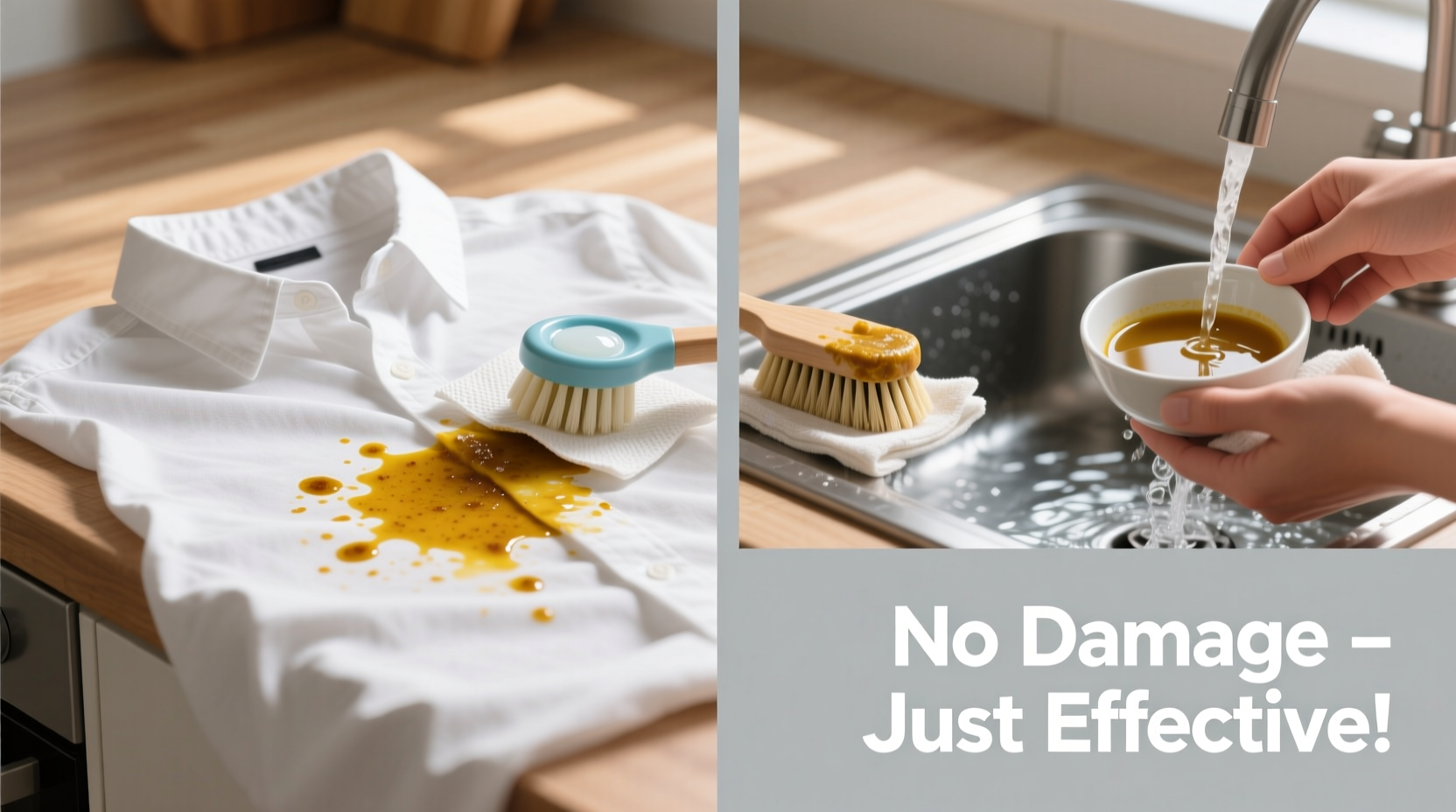
Curry isn’t just one substance—it’s a complex mixture of oils, spices (especially turmeric), acids, and sometimes dairy. Each component interacts differently with fabric:
- Turmeric: Deeply pigmented and hydrophobic; binds to protein fibers like wool and silk more readily than cotton.
- Oils: Carry pigments into the weave and resist water-based cleaning unless emulsified.
- Acidic components (like tomatoes or lemon): Can alter dye stability in some fabrics if exposed too long.
Because of this complexity, treating a curry stain requires a multi-step strategy: first lifting the oil, then neutralizing the pigment, and finally rinsing without setting the stain further.
“Turmeric stains look alarming, but they’re often easier to treat than people assume—if you act before washing. Hot water sets them permanently.” — Dr. Lena Patel, Textile Chemist at HomeCare Labs
Step-by-Step Guide: Removing Curry Stains Safely
Follow this timeline immediately after a spill to maximize success:
- Blot, don’t rub (0–5 minutes after spill): Use a clean, dry cloth or paper towel to absorb excess curry. Rubbing spreads the stain deeper into fibers.
- Rinse with cold water (within 10 minutes): Hold the stained area under cold running water from the back side to push the stain out, not deeper in.
- Pre-treat with a stain remover (within 30 minutes): Apply a small amount of liquid detergent, dish soap, or oxygen-based pre-soak directly to the stain.
- Soak (if needed): For older or set-in stains, soak in cold water with oxygen bleach (for whites) or color-safe bleach alternative (for colors) for up to 6 hours.
- Wash normally: Launder on the longest cycle suitable for the fabric, using the warmest water safe for the garment (check care label).
- Air-dry and inspect: Never put the garment in the dryer until the stain is gone—heat sets any remaining pigment. If the stain persists, repeat treatment.
Effective Household Remedies (Tested & Safe)
You don’t need specialty products to tackle curry stains. Common kitchen ingredients work effectively when used correctly:
- Dish soap (e.g., Dawn): Breaks down oils. Apply 1–2 drops, gently work in with fingers, rinse with cold water.
- White vinegar: Helps dissolve turmeric pigments. Mix 1 part vinegar with 2 parts cold water; soak for 30 minutes before washing.
- Baking soda paste: Mild abrasive for surface stains. Mix with water, apply lightly, let sit 15 minutes, then rinse.
- Lemon juice + sunlight (for white cotton only): Natural bleaching effect. Apply juice, place in indirect sun for 1–2 hours, then wash. Avoid on colored or delicate fabrics.
- Oxygen-based cleaner (e.g., OxiClean): Excellent for breaking down organic stains. Dissolve in cold water and soak overnight.
Remedy Comparison Table
| Method | Best For | Caution | Effectiveness |
|---|---|---|---|
| Dish soap + cold water | Fresh oil-based stains | None for most fabrics | ★★★★☆ |
| Vinegar soak | Cotton, linen, synthetics | Avoid silk, wool (acid-sensitive) | ★★★☆☆ |
| Baking soda paste | Surface-level stains | Don’t scrub delicate weaves | ★★★☆☆ |
| Lemon juice + sun | White cotton only | Can yellow synthetics; fades colors | ★★★★☆ (on whites) |
| Oxygen bleach soak | Set-in stains, whites & colors | Not for silk, wool, leather | ★★★★★ |
Real Example: Removing a Curry Stain from a Work Shirt
Sarah, a nurse, spilled lentil curry on her white polyester-cotton scrubs during lunch. She didn’t panic. Instead, she followed protocol:
First, she blotted with a napkin. Then, in the break room, she rinsed the back of the stain under cold tap water for two minutes. She applied a drop of dish soap, gently massaged it in, and rinsed again. At home, she soaked the scrubs in a bucket of cold water with half a scoop of oxygen cleaner for four hours. After washing in warm water, the stain was completely gone. By avoiding hot water and skipping the dryer until certain the stain was removed, she saved a frequently worn uniform top from being discarded.
This case shows how combining immediate action with accessible tools leads to reliable results—even on blends that are often tricky to treat.
Checklist: Curry Stain Removal at a Glance
Keep this checklist handy for quick reference when accidents happen:
- ✅ Blot excess curry gently
- ✅ Rinse under cold water (from reverse side)
- ✅ Apply dish soap or stain remover
- ✅ Soak in cold water with oxygen cleaner (if needed)
- ✅ Wash in warmest water safe for fabric
- ✅ Air-dry and check result before drying
- ✅ Repeat if necessary—never heat-set a lingering stain
Common Mistakes That Worsen Curry Stains
Even well-intentioned efforts can backfire. Avoid these errors:
- Using hot water first: Sets turmeric instantly, making removal nearly impossible.
- Applying bleach prematurely: Chlorine bleach reacts with turmeric to create a darker, more stubborn stain.
- Delaying treatment: The longer the stain sits, the deeper the pigment penetrates.
- Over-scrubbing: Damages fabric texture and spreads the stain.
- Drying in the dryer with residue: Heat bonds the stain permanently.
Frequently Asked Questions
Can I use hydrogen peroxide on curry stains?
Yes, but only on white fabrics and when diluted (1 part peroxide to 2 parts water). Test first—hydrogen peroxide can weaken fibers over time and may discolor dyes. Best combined with baking soda for a gentle oxidizing paste.
What if the stain is old or already washed?
Re-treat with an oxygen-based soak. Submerge the garment in cold water with a full dose of oxygen cleaner for 6–8 hours. Agitate occasionally. Repeat if needed. Avoid boiling water or chlorine bleach, which degrade fabric and fix stains further.
Are curry stains permanent?
Not necessarily. While turmeric is tenacious, most stains can be removed within 24–48 hours of occurrence using proper methods. Even older stains often respond to repeated oxygen soaking. Permanent damage usually results from incorrect treatment—not the stain itself.
Final Thoughts
Removing curry stains doesn’t require expensive products or professional services. With prompt action, cold water, and the right household remedies, most spills can be reversed without harming your clothes. The real secret isn’t strength—it’s timing and technique. Respect the chemistry of the stain, work gently, and always air-dry until you’re certain the fabric is clean.
Next time you enjoy a flavorful meal, keep a bottle of dish soap and a box of oxygen cleaner nearby. A little preparedness goes a long way toward keeping your wardrobe fresh, functional, and stain-free.




 浙公网安备
33010002000092号
浙公网安备
33010002000092号 浙B2-20120091-4
Comments
No comments yet. Why don't you start the discussion?