
White clothes have a timeless appeal—they look crisp, elegant, and go with everything. But their biggest flaw? They show every drop, smear, and spill. Whether it’s coffee on your shirt collar, grass on your child’s soccer jersey, or deodorant marks under the arms, stains can make even well-maintained whites look dull and worn.
The good news is you don’t need expensive stain removers or professional dry cleaning to restore your whites. With simple household ingredients and smart techniques, most stains can be removed quickly and effectively right in your laundry room. This guide walks through practical, science-backed methods that deliver real results—without damaging fabrics or breaking the bank.
Understanding Fabric and Stain Types
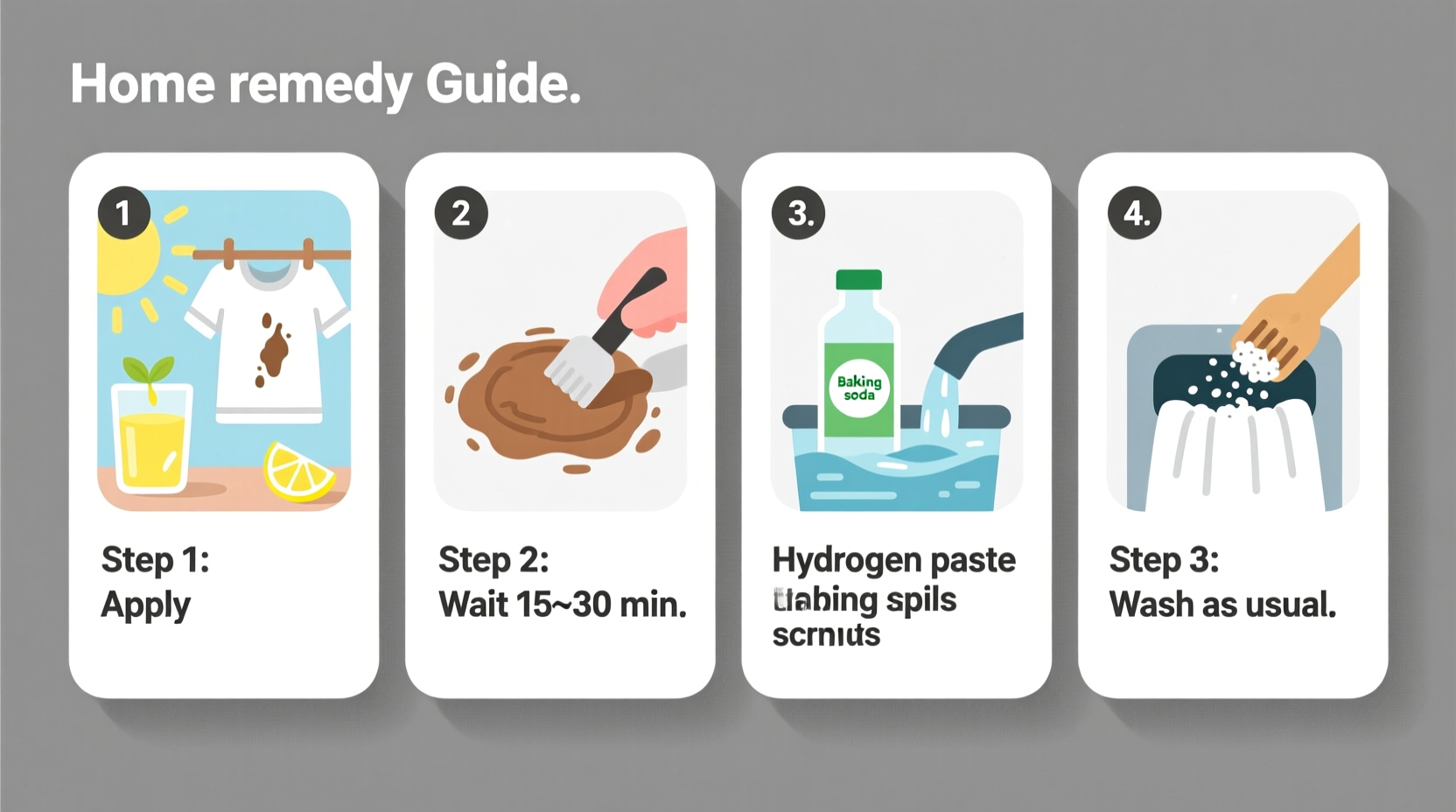
Before treating any stain, it's important to know what kind of fabric you're dealing with and the nature of the stain. Not all stains respond to the same treatment, and some materials—like silk or wool—require gentler care than cotton or polyester.
- Protein-based stains: Blood, sweat, dairy, egg. These respond best to cold water and enzyme-based cleaners.
- Tannin stains: Coffee, tea, wine, fruit juice. These are acidic and often require vinegar or baking soda.
- Oil-based stains: Grease, makeup, lotions. Absorbents like cornstarch or dish soap work best.
- Combination stains: Ketchup, mustard, mayonnaise (contain both oil and tannins). Require a two-step approach.
“Treating stains immediately increases success rates by over 70%. The longer a stain sets, the harder it becomes to lift.” — Dr. Linda Chen, Textile Chemist, Home Care Research Institute
Step-by-Step Guide to Removing Common Stains
Follow this timeline for maximum effectiveness when tackling fresh or set-in stains on white clothing.
- Act fast: Blot excess liquid or scrape off solids with a spoon or dull knife.
- Rinse with cold water: Flush the back of the stain to push it out, not deeper in.
- Pre-treat: Apply an appropriate solution based on stain type (see below).
- Let it sit: Allow 15–30 minutes (or overnight for tough stains).
- Wash normally: Use the warmest water safe for the fabric, adding oxygen bleach if possible.
- Air dry: Avoid the dryer until the stain is gone—heat sets remaining residue.
Blood Stains
Soak the garment in cold water mixed with a tablespoon of salt or hydrogen peroxide (3%) for 30 minutes. For older stains, use a paste of baking soda and water, then rinse and wash. Never use hot water—it cooks the protein and makes the stain permanent.
Coffee and Tea
Mix one tablespoon of white vinegar, one teaspoon of liquid dish soap, and two cups of cool water. Dab onto the stain, let sit 15 minutes, then rinse and launder. For delicate fabrics, skip soap and use only diluted vinegar.
Grease and Oil
Sprinkle cornstarch or talcum powder over the stain to absorb oil. Let sit for 15 minutes, brush off, then apply a few drops of dish soap (like Dawn) directly to the area. Gently massage and rinse with warm water before washing.
Deodorant and Antiperspirant
Create a paste of equal parts baking soda and water. Scrub lightly with a soft toothbrush, then soak in warm water with half a cup of vinegar for 30 minutes. Launder as usual.
Grass and Mud
For grass, mix hydrogen peroxide (3%) with a few drops of dish soap. Apply, wait 20 minutes, then rinse. Mud should be allowed to dry first, then brushed off before pre-treating with a baking soda-vinegar mix.
Powerful Homemade Stain Removal Solutions
You likely already have everything you need in your kitchen. These DIY solutions are cost-effective, eco-friendly, and gentle on fabrics when used correctly.
| Solution | Best For | How to Use |
|---|---|---|
| Baking Soda + Water Paste | Deodorant, sweat, mild discoloration | Mix to form a thick paste, scrub gently, let sit 20 min before rinsing |
| White Vinegar + Water (1:1) | Set-in stains, yellowing, odor removal | Soak garment for 30–60 minutes before washing |
| Lemon Juice + Sunlight | Organic stains, overall whitening | Apply juice, place in direct sun for 1–2 hours, then rinse |
| Dish Soap (degreaser) | Grease, makeup, food oils | Apply 2–3 drops directly, massage, rinse with warm water |
| Oxygen Bleach Soak | All types (except silk/wool) | Use ½ cup in warm water, soak 4–8 hours, then wash |
Mini Case Study: Reviving a Yellowed White Dress Shirt
Mark, a teacher from Portland, had a favorite white button-down ruined by years of underarm yellowing and occasional coffee spills. He’d tried regular washing and chlorine bleach, which only made the fabric brittle. After reading about oxygen bleach, he soaked the shirt overnight in a solution of OxiClean and warm water. The next morning, he applied a baking soda paste to the armpits, scrubbed gently, and washed it normally. After air-drying, the shirt looked nearly new. “I was shocked,” Mark said. “It felt like getting a $50 shirt for free.”
This case shows how combining the right products with patience beats aggressive bleaching every time.
Checklist: Your At-Home Stain Removal Routine
Keep this checklist handy near your laundry area for quick reference:
- ✅ Identify the stain type (protein, tannin, oil, etc.)
- ✅ Check garment care label for washing instructions
- ✅ Blot or scrape—don’t rub
- ✅ Rinse with cold water immediately
- ✅ Pre-treat with appropriate solution
- ✅ Allow adequate dwell time (15 min to overnight)
- ✅ Wash in warmest safe water with detergent + oxygen bleach
- ✅ Air dry and inspect—repeat if needed
Frequently Asked Questions
Can I use chlorine bleach on all white clothes?
No. Chlorine bleach is harsh and can weaken fibers, cause yellowing over time, and damage elastic or spandex. It should only be used on sturdy cottons and linens. For most situations, oxygen bleach (sodium percarbonate) is safer and more effective.
Why do my white clothes turn gray after washing?
Gray buildup usually comes from insufficient detergent, hard water, or transferring dye from other garments. To fix it, wash whites separately, use enough detergent, add a half-cup of white vinegar to the rinse cycle, and clean your washing machine monthly with a hot vinegar wash.
How can I prevent stains from setting in?
Act within the first hour. If you can't wash immediately, keep the stained area moist with cold water or apply a stain stick. Store the garment in a sealed bag until laundering. Delaying treatment beyond 24 hours significantly reduces success.
Final Thoughts: Keep Whites Bright with Smart Habits
Removing stains from white clothes doesn’t require magic potions or costly services. It requires understanding, timing, and consistency. By learning which treatments work for which stains—and avoiding common mistakes like heat-setting or over-bleaching—you can keep your whites looking fresh for years.
The best laundry routine isn’t complicated. It’s built on simple habits: immediate attention, proper pre-treatment, and thoughtful washing. Over time, these small actions compound into noticeably better results.




 浙公网安备
33010002000092号
浙公网安备
33010002000092号 浙B2-20120091-4
Comments
No comments yet. Why don't you start the discussion?