
Coughing is one of the body’s natural defense mechanisms, helping clear irritants and mucus from the airways. While occasional coughing is normal, a persistent or disruptive cough can interfere with sleep, work, and daily life. The best thing to take for cough isn’t always a prescription medication—often, simple, accessible remedies provide significant relief. From honey to steam inhalation, this guide explores safe, effective, and easy-to-implement solutions backed by medical insight and real-world results.
Understanding Cough Types and Triggers
Before choosing a remedy, it's essential to understand the type of cough you're dealing with. Coughs are generally categorized as either dry (non-productive) or wet (productive). A dry cough produces no mucus and often stems from irritation, allergies, or viral infections like the common cold. A wet cough brings up phlegm and helps clear congestion from the lungs, commonly associated with bronchitis or respiratory infections.
Common triggers include:
- Viral infections (e.g., cold, flu, post-viral cough)
- Allergies and asthma
- Postnasal drip
- Environmental irritants (smoke, dust, pollution)
- Gastroesophageal reflux disease (GERD)
Identifying the cause helps determine whether suppression (for dry coughs) or expectoration (for wet coughs) is more appropriate. For instance, suppressing a productive cough may delay healing, while soothing a dry, hacking cough improves comfort and rest.
Top 5 Natural Remedies Backed by Science
Natural doesn't always mean ineffective—in fact, several home-based remedies have strong scientific support for relieving cough symptoms.
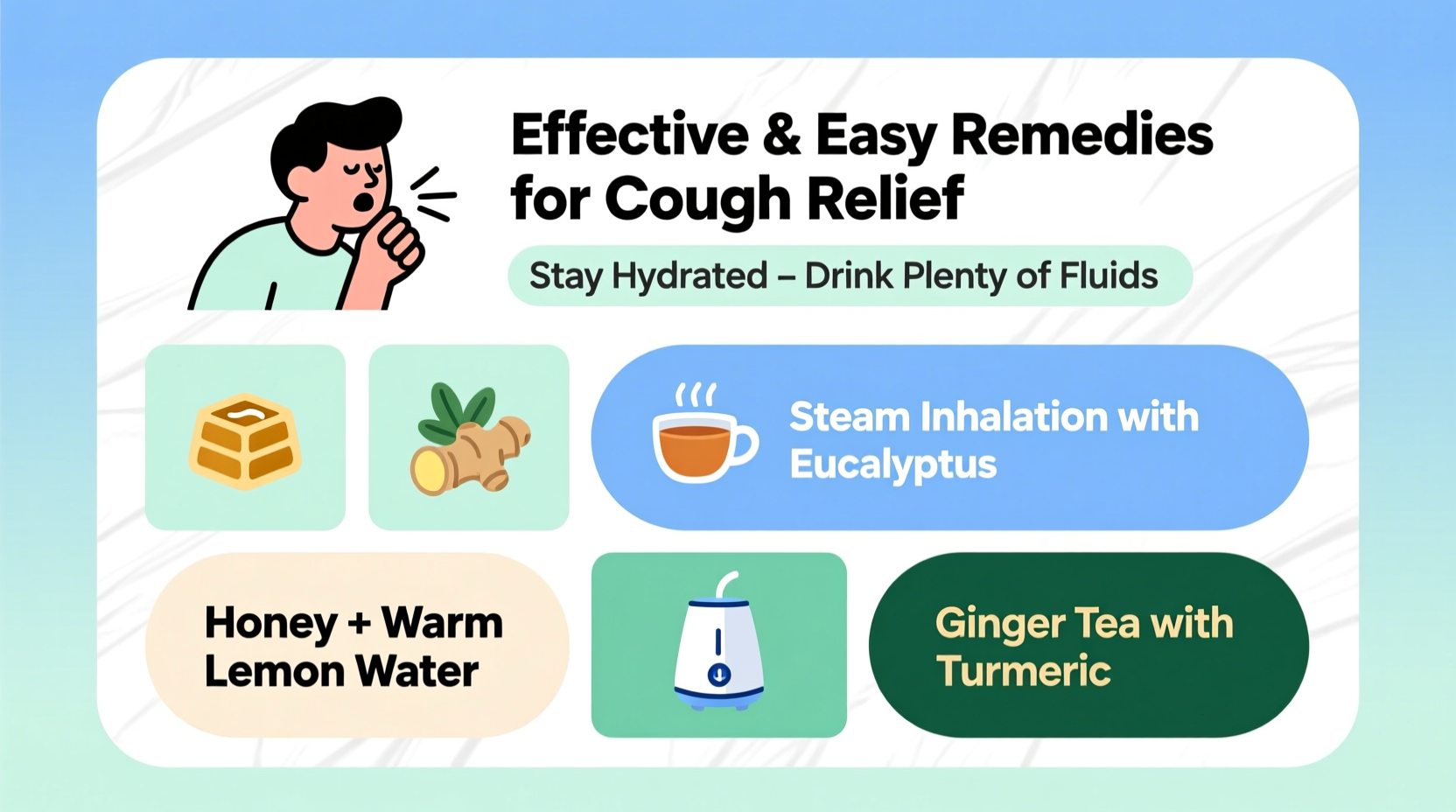
- Honey: One of the most well-documented natural cough suppressants. A 2020 meta-analysis published in *BMJ Evidence-Based Medicine* found that honey was superior to placebo and comparable to over-the-counter medications in reducing cough frequency and severity. It coats the throat, soothing irritation and calming the cough reflex.
- Warm Herbal Teas: Chamomile, ginger, and licorice root teas possess anti-inflammatory and mild antiviral properties. Sipping warm liquid also increases saliva production, lubricating the throat and reducing tickling sensations that trigger coughing.
- Steam Inhalation: Inhaling moist air helps loosen mucus and reduce nasal congestion. Adding a few drops of eucalyptus or peppermint oil may enhance decongestant effects due to their menthol content.
- Saline Gargle: Gargling with warm salt water reduces throat inflammation and clears postnasal drip—a common cause of chronic coughing.
- Humidified Air: Dry indoor air aggravates throat irritation. Using a cool-mist humidifier, especially at night, maintains moisture in the respiratory tract and prevents nighttime cough flare-ups.
“Honey is a time-tested remedy with modern validation. For children over one year and adults, it offers a safe, effective alternative to many OTC cough syrups.” — Dr. Lena Patel, Board-Certified Pulmonologist
Over-the-Counter Options: What Works and When
When natural methods aren’t enough, over-the-counter (OTC) medications can provide targeted relief. However, not all products are equally effective, and misuse is common.
| Remedy Type | Best For | Key Ingredients | Caution |
|---|---|---|---|
| Cough Suppressants | Dry, irritating coughs | Dextromethorphan (DXM) | Avoid in productive coughs; may cause drowsiness |
| Expectorants | Wet, chesty coughs | Guaifenesin | Drink plenty of water to help loosen mucus |
| Decongestants | Nasal congestion/postnasal drip | Pseudoephedrine, phenylephrine | May raise blood pressure; avoid with heart conditions |
| Throat Lozenges | Sore throat-related cough | Menthol, benzocaine, pectin | Not recommended for young children due to choking risk |
Combination products are widely available but often contain unnecessary ingredients. For example, taking a decongestant when you don’t have congestion adds side effect risk without benefit. Always read labels carefully and treat only the symptoms you actually have.
Step-by-Step Guide to Soothing a Cough at Home
Follow this practical, hour-by-hour plan during the first 24–48 hours of a cough to prevent escalation and promote faster recovery.
- Evening (Before Bed): Mix 1–2 teaspoons of raw honey into warm herbal tea (like chamomile or thyme). Drink slowly 30 minutes before sleeping to coat the throat and reduce nighttime coughing.
- Nighttime: Run a cool-mist humidifier in your bedroom. Elevate your head slightly with an extra pillow to minimize postnasal drip.
- Morning: Gargle with 1/2 teaspoon of salt dissolved in 8 oz of warm water. Repeat twice daily to soothe throat irritation.
- Throughout the Day: Stay hydrated with warm fluids—herbal teas, broths, or lemon water with honey. Avoid caffeine and alcohol, which can dehydrate.
- As Needed: Use throat lozenges containing soothing agents like pectin or slippery elm. Limit to 4–6 per day to avoid gastrointestinal upset.
Real-Life Example: How Sarah Managed Her Post-Viral Cough
Sarah, a 34-year-old teacher, developed a nagging dry cough after recovering from a mild bout of the flu. Over-the-counter cough syrup provided minimal relief and left her drowsy. After reading about honey’s benefits, she began taking one teaspoon of manuka honey before bed and sipping ginger-lemon tea throughout the day. She also started using a humidifier at night and avoided speaking loudly in her classroom.
Within three days, her cough frequency dropped significantly. By day six, it had resolved completely. “I was skeptical at first,” she said, “but ditching the chemicals and going natural made all the difference.” Her experience reflects a growing trend toward evidence-based home care that prioritizes safety and simplicity.
Frequently Asked Questions
Is honey safe for children with coughs?
Yes, for children over the age of one. Honey should never be given to infants under 12 months due to the risk of botulism. For older children, half to one teaspoon at bedtime is both safe and effective.
Can acid reflux cause a chronic cough?
Yes. GERD is a common but often overlooked cause of persistent cough, especially at night. Stomach acid rises into the esophagus and irritates the throat, triggering a reflexive cough. Managing diet, avoiding late meals, and elevating the head during sleep can help reduce symptoms.
Are there any foods that make coughs worse?
Dairy may thicken mucus for some people, though it doesn’t increase mucus production. Spicy foods, citrus, and carbonated drinks can irritate a sensitive throat. Alcohol and caffeine contribute to dehydration, which worsens mucus viscosity. Opt for bland, hydrating foods during recovery.
Final Recommendations and Action Plan
The best thing to take for cough depends on its type and cause, but most cases respond well to gentle, natural interventions. Start with honey, hydration, and humidity—three pillars of effective cough care. Use OTC medications selectively and only when necessary, focusing on single-symptom relief rather than multi-action formulas.
Prevention matters too. Strengthen your respiratory resilience by maintaining indoor humidity, practicing good hand hygiene, and managing underlying conditions like allergies or acid reflux.




 浙公网安备
33010002000092号
浙公网安备
33010002000092号 浙B2-20120091-4
Comments
No comments yet. Why don't you start the discussion?