
Owala bottles have become a staple for people who value convenience, durability, and sustainable hydration. With their leak-proof design, built-in straws, and insulated construction, they're ideal for on-the-go use. However, frequent use means buildup of bacteria, mold, and residue—especially in hard-to-reach areas like the straw channel and lid crevices. Without proper cleaning, your bottle can harbor odors, stains, and harmful microbes that compromise both taste and health.
Cleaning your Owala bottle doesn’t need to be complicated or time-consuming. With the right techniques and routine, you can keep it fresh, safe, and functional for years. This guide covers practical, proven methods to maintain hygiene without damaging materials or voiding warranties.
Daily Maintenance for Long-Term Freshness
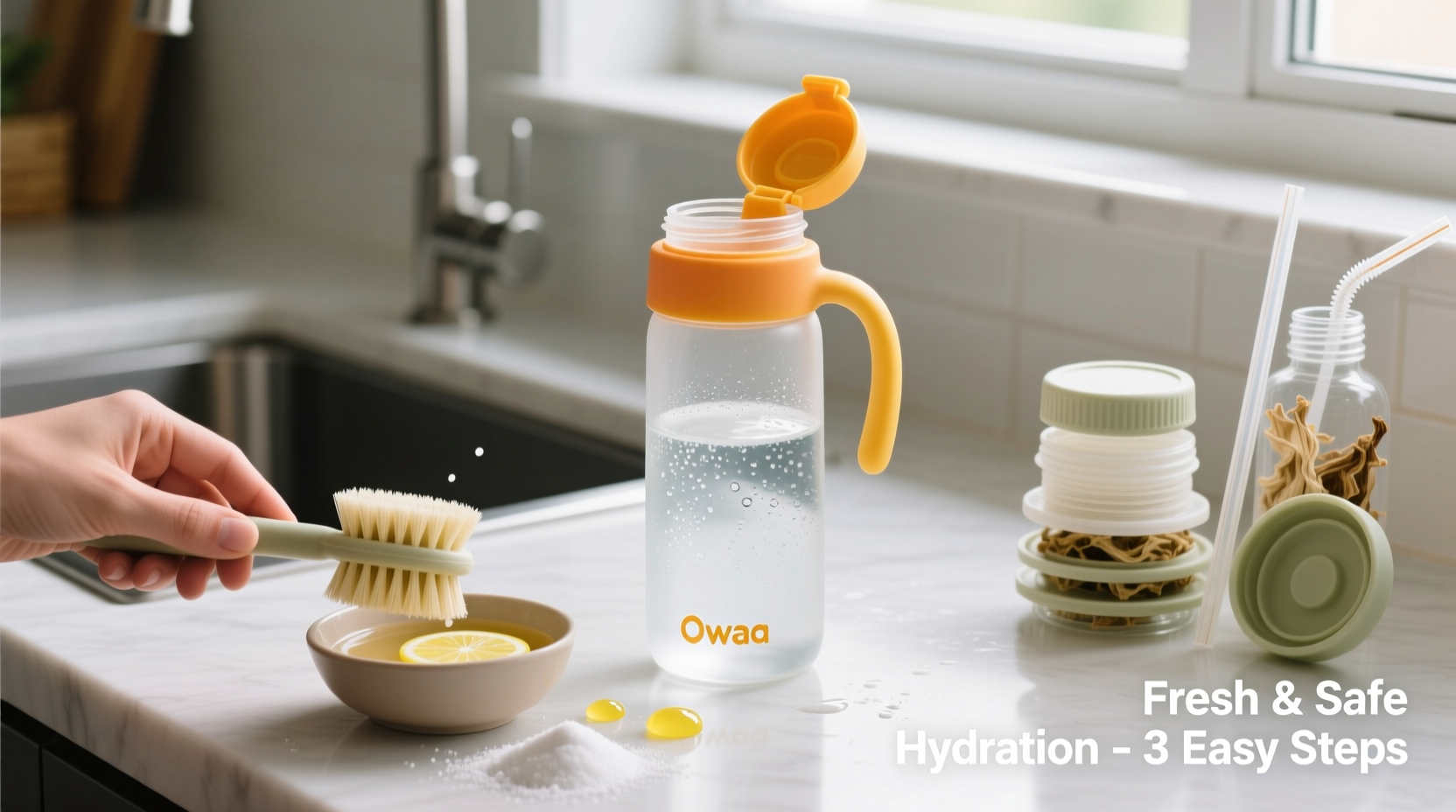
Preventing buildup starts with consistent care. A quick rinse after each use stops residue from hardening and reduces bacterial growth. For best results, disassemble all removable parts—lid, straw, gasket, and slider cap—immediately after drinking. Even water can leave mineral deposits over time, especially if you add flavorings, smoothies, or sports drinks.
Rinse under warm running water using a soft brush or sponge. Avoid abrasive pads that can scratch stainless steel or plastic surfaces. Use mild dish soap to break down oils and sugars. Focus on the mouthpiece and inner straw, where saliva and liquid contact is most frequent.
If you’re at work or traveling, carry a small bottle of soapy water or eco-friendly cleaning wipes designed for food-contact surfaces. A quick wipe-down prevents biofilm formation until you can do a full wash at home.
Step-by-Step Deep Cleaning Process
Even with daily rinsing, a weekly deep clean is essential. Over time, invisible bacteria colonies form, leading to unpleasant smells or cloudy film. Follow this reliable 7-step process to sanitize every part of your Owala bottle:
- Disassemble completely: Remove the lid, straw, silicone gasket, and sliding cover. These pieces often trap moisture and debris.
- Rinse all components: Flush with warm water to remove loose particles.
- Soak in warm soapy water: Submerge parts in a bowl with hot water and gentle dish soap for 10–15 minutes.
- Scrub with appropriate brushes: Use a narrow bottle brush for the main chamber and a small straw brush (or pipe cleaner) for the internal straw tube.
- Clean the lid mechanism: Pay attention to the groove where the gasket sits—use a cotton swab to remove grime.
- Rinse thoroughly: Ensure no soap residue remains, which can affect taste and irritate skin.
- Air dry upside down: Place the bottle and parts on a drying rack with openings facing down to prevent water pooling.
This method works for both stainless steel and plastic Owala models. Never submerge the exterior of insulated bottles if the base seal is compromised, as water may enter the vacuum layer.
Alternative Cleaning Solutions That Work
For stubborn stains or lingering odors, household items can safely disinfect without harsh chemicals. Here are three effective natural options:
- Vinegar and Baking Soda: Mix one tablespoon of baking soda with one cup of white vinegar. Pour into the bottle, let fizz for 5–10 minutes, then scrub and rinse. This combo breaks down organic matter and neutralizes odors.
- Bleach Solution (for severe cases): Dilute one teaspoon of unscented chlorine bleach per quart of water. Soak components for 5 minutes, then rinse *extremely* well. Use only occasionally and never mix with vinegar.
- Denture Tablets: Drop one tablet into warm water inside the bottle. Let soak for 30 minutes. Effervescent action reaches tight spaces and lifts stains gently.
Do’s and Don’ts of Owala Bottle Care
| Do’s | Don’ts |
|---|---|
| Disassemble all lid parts regularly | Put the lid or straw in the dishwasher unless labeled dishwasher-safe |
| Use soft-bristle brushes for scrubbing | Use steel wool or abrasive cleaners that scratch surfaces |
| Air dry fully before reassembling | Store with the cap sealed while still damp—this encourages mold |
| Replace worn gaskets or cracked straws promptly | Soak the entire insulated bottle in boiling water—thermal shock may damage vacuum seal |
| Wash after using sugary or acidic beverages | Leave milk, juice, or smoothies in the bottle for more than 6 hours |
Real Example: How One Teacher Fixed Her Smelly Owala
Sarah, a middle school teacher from Austin, noticed a sour smell coming from her Owala FreeSip bottle after two months of daily use. She rinsed it every day but hadn’t taken apart the lid. When she finally removed the silicone gasket, she found greenish-black specks stuck in the groove—a sign of mold.
She followed the deep-cleaning steps above, soaking the parts in a vinegar-baking soda solution and using a toothbrush to clean the lid housing. After thorough rinsing and air drying, the odor disappeared. Now, she sets a phone reminder every Sunday night to perform a full clean and replace the gasket every three months.
“I thought I was being careful,” she said, “but I didn’t realize how much hides inside the lid. Now my bottle tastes like water again.”
“Many reusable bottles develop biofilm within weeks if not properly maintained. Disassembly and regular drying are non-negotiable for hygiene.” — Dr. Lena Torres, Microbiologist & Public Health Consultant
Checklist: Weekly Owala Bottle Care Routine
- ☐ Disassemble lid, straw, gasket, and slider
- ☐ Rinse all parts immediately after use
- ☐ Perform deep clean once per week
- ☐ Inspect for cracks, cloudiness, or discoloration
- ☐ Replace rubber seals or straws every 3–6 months
- ☐ Store open and upside down when not in use
- ☐ Avoid leaving liquids for more than 8–12 hours
Frequently Asked Questions
Can I put my Owala bottle in the dishwasher?
Only if the product label explicitly states it's dishwasher-safe. Most Owala lids contain small parts that can warp or degrade in high heat. The main bottle body may be top-rack safe, but hand-washing is always recommended for longevity.
Why does my bottle smell like egg or mildew?
This usually indicates trapped moisture and microbial growth, particularly in the straw or gasket area. Mold and sulfate-reducing bacteria thrive in dark, damp environments. Immediate disassembly, deep cleaning, and complete drying will resolve the issue.
How often should I replace the silicone gasket or straw?
Inspect them monthly. Replace if they become cloudy, brittle, cracked, or difficult to clean. On average, replacement every 3–6 months ensures optimal hygiene and function.
Stay Hydrated Safely with Simple Habits
Your Owala bottle is an investment in health and sustainability. Keeping it clean isn’t just about freshness—it’s about protecting yourself from unseen contaminants. By integrating quick daily rinses and a structured weekly cleaning routine, you ensure every sip is as pure as intended.
Small actions make a big difference: take five minutes to disassemble, scrub, and dry. Replace worn parts proactively. Share what works for you—your tip might help someone else avoid a smelly surprise.




 浙公网安备
33010002000092号
浙公网安备
33010002000092号 浙B2-20120091-4
Comments
No comments yet. Why don't you start the discussion?