
Cleaning a crystal blueberry pendant requires care, precision, and an understanding of the materials involved. These delicate pieces often combine natural quartz or glass crystals with metal accents, sometimes including silver or gold plating. Exposure to everyday elements—like skin oils, perfumes, and environmental dust—can dull their luster over time. However, aggressive cleaning can scratch surfaces or damage finishes. The key is using gentle, non-abrasive methods that preserve both beauty and integrity. This guide outlines proven techniques, backed by gemstone care experts, to safely restore your pendant’s brilliance without risking harm.
Understanding Your Crystal Blueberry Pendant
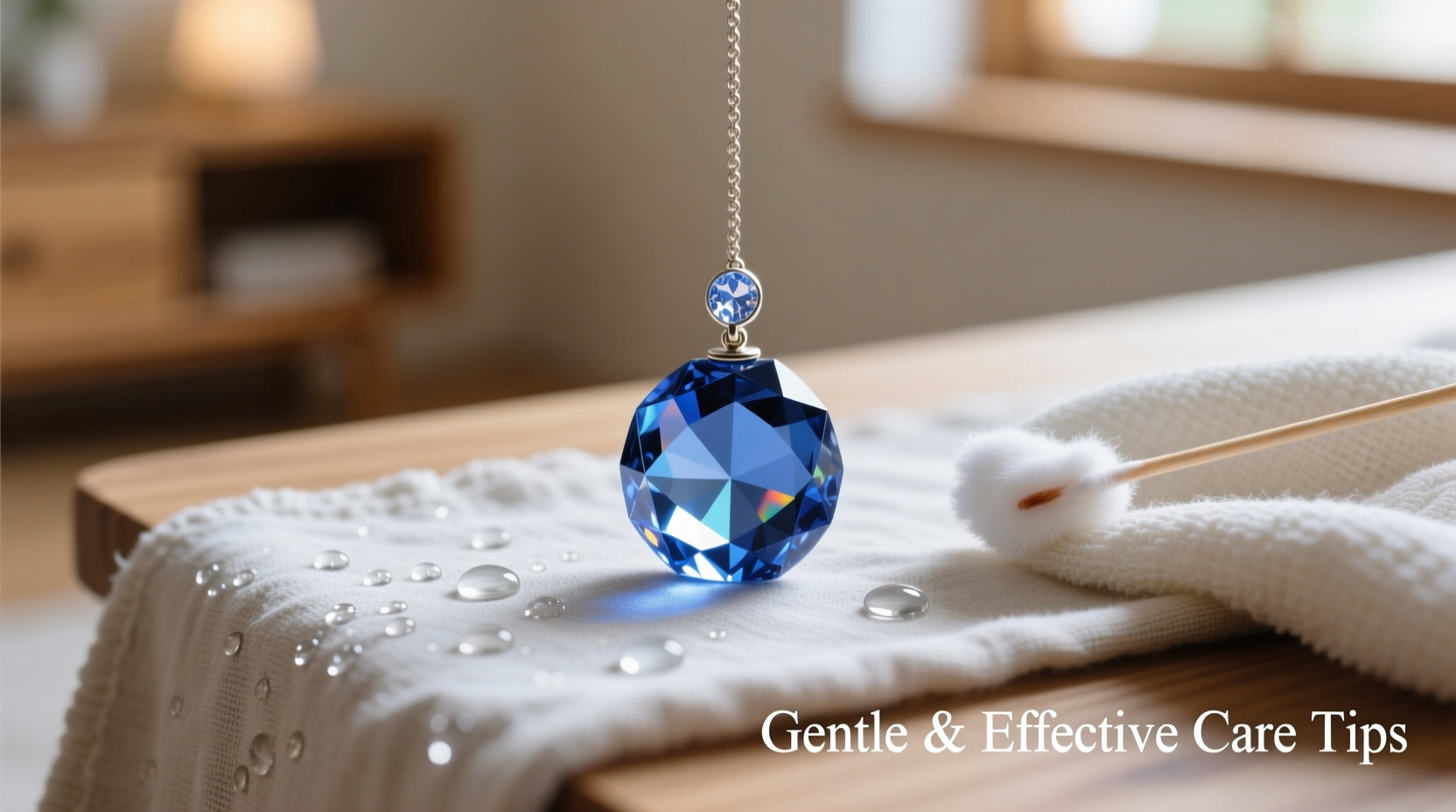
The term “crystal blueberry pendant” typically refers to jewelry featuring small, round, deep-blue crystals resembling berries. These are commonly made from Swarovski crystal, faceted glass, or natural stones like tanzanite or sapphire in rare cases. The setting may be sterling silver, stainless steel, or alloy with rhodium or gold plating. Knowing the exact composition helps determine the safest cleaning method. For instance, ultrasonic cleaners are excellent for hard gemstones but can loosen glued-in crystals or damage plated metals if used improperly.
Always check manufacturer guidelines if available. If unsure, assume the piece contains glued components and delicate plating, which rules out harsh chemicals or mechanical agitation.
Step-by-Step Guide to Gentle Hand Cleaning
Hand washing is the most reliable method for maintaining crystal pendants at home. It allows control over pressure, temperature, and solution strength. Follow this timeline for optimal results:
- Prepare your workspace: Lay down a soft towel on a flat surface. Fill a small bowl with lukewarm water—never hot, as thermal shock can crack certain crystals.
- Create a mild cleaning solution: Mix one drop of pH-neutral dish soap (such as Dawn Free & Clear) with one cup of water. Avoid detergents with moisturizers, bleach, or degreasers.
- Soak the pendant: Submerge it for 5–8 minutes. This loosens grime without stressing adhesives or metal.
- Clean with a soft brush: Use a clean, ultra-soft toothbrush (baby toothbrush recommended). Gently brush around each crystal and crevice in circular motions. Do not press hard.
- Rinse thoroughly: Hold under a gentle stream of lukewarm water to remove all soap residue.
- Dry carefully: Pat dry with a lint-free microfiber cloth. Allow to air-dry completely before storage.
This process should be performed every 4–6 weeks with regular wear, or monthly for occasional use.
Alternative Natural Cleaning Methods
For those preferring chemical-free solutions, several natural options effectively clean without compromising durability.
Vinegar and Water Soak (for glass-based crystals)
Mix equal parts white vinegar and distilled water. Soak for no more than 5 minutes. Vinegar’s mild acidity dissolves mineral deposits and film. Rinse immediately and dry. Note: Not suitable for pendants with pearl accents or porous stones.
Baking Soda Paste (for tarnished metal settings)
Mix a pea-sized amount of baking soda with a few drops of water to form a paste. Apply only to the metal portion using a cotton swab—never directly on crystals. Wipe gently, rinse, and dry. Effective for removing light tarnish on silver-toned settings.
Flannel Cloth Polishing
After cleaning, use a dedicated jewelry polishing flannel (treated with jeweler’s rouge) to restore shine. Rub lightly along the metal band or backplate. Avoid dragging fabric across fragile crystal edges.
“Crystal jewelry thrives on consistency. A quick wipe after wear prevents buildup far better than infrequent deep cleans.” — Lena Torres, Gemstone Care Specialist, American Jewelry Institute
Do’s and Don’ts: Best Practices Summary
| Do’s | Don’ts |
|---|---|
| Use lukewarm water and mild soap | Use hot or cold extreme temperatures |
| Clean with a soft-bristled brush | Scrub aggressively or use stiff brushes |
| Dry with a microfiber cloth | Let the pendant air-dry on rough surfaces |
| Store separately in a soft pouch | Store loose in a jewelry box with other items |
| Inspect clasps and settings monthly | Use bleach, ammonia, or acetone-based cleaners |
Real Example: Reviving a Dull Pendant
Sarah, a teacher from Portland, wore her crystal blueberry pendant daily for six months. Over time, it developed a cloudy film and lost its sparkle. She avoided professional cleaning due to cost concerns. Following the hand-wash method described above—using lukewarm soapy water and a baby toothbrush—she cleaned it at home. After one session, the pendant regained 80% of its original clarity. She now wipes it with a dry microfiber cloth after each wear and performs a full clean every five weeks. “It looks almost new,” she said. “I wish I’d known how simple it was.”
Storage Tips to Maintain Long-Term Shine
Cleaning is only half the battle. Improper storage leads to scratches, tangling, and oxidation. Consider these strategies:
- Store the pendant in a fabric-lined jewelry box or a soft drawstring pouch.
- Keep it separate from other jewelry to prevent scratches from harder materials like diamonds or metals.
- Avoid humid areas like bathrooms; moisture accelerates tarnishing of metal components.
- Place anti-tarnish strips near silver-toned pieces if storing long-term.
- Lay necklaces flat or hang them to avoid chain kinking.
For travel, use a rigid case with individual compartments. Soft pouches offer cushioning but won’t protect against crushing force.
Frequently Asked Questions
Can I use alcohol wipes to clean my crystal pendant?
No. Alcohol, especially isopropyl, can degrade adhesives used to set crystals and strip protective coatings from metal. It may also leave a hazy residue on certain glass types. Stick to water-based cleaning only.
Is it safe to use an ultrasonic cleaner?
Generally not recommended for crystal pendants. While effective for solid gemstones, ultrasonic vibrations can dislodge glued-in crystals or damage thin plating. Unless the manufacturer explicitly states compatibility, avoid this method.
How do I know if my pendant has real crystals or glass?
True crystal (like Swarovski) has precise facets, brilliant refraction, and a cool-to-the-touch feel. Glass tends to be heavier, less sparkly, and may have tiny bubbles or tool marks. Check product documentation or consult the retailer. When in doubt, treat it as delicate glass.
Final Checklist: At-Home Cleaning Routine
- Remove pendant before swimming, showering, or applying cosmetics.
- Wipe gently with a dry microfiber cloth after each wear.
- Every 4–6 weeks, perform a full hand wash using mild soap and soft brush.
- Rinse thoroughly and dry completely before storing.
- Inspect the chain and clasp for signs of wear monthly.
- Store in a soft, dry, isolated space away from humidity.
Conclusion
Maintaining the brilliance of your crystal blueberry pendant doesn’t require expensive tools or professional services. With consistent, gentle care, you can preserve its elegance for years. Simple habits—like wiping after wear, avoiding chemical exposure, and periodic hand washing—make a lasting difference. By following these expert-backed methods, you protect not just the appearance but the sentimental value of your piece. Take a few minutes today to assess your current care routine and make the small adjustments that lead to big results.




 浙公网安备
33010002000092号
浙公网安备
33010002000092号 浙B2-20120091-4
Comments
No comments yet. Why don't you start the discussion?