
Diatomaceous earth (DE) floor mats are gaining popularity in homes and commercial spaces for their natural moisture absorption, odor control, and slip-resistant qualities. Made from the fossilized remains of marine phytoplankton, these mats are both functional and eco-friendly. However, like any high-use flooring product, they require regular maintenance to preserve their effectiveness and appearance. Over time, dust, dirt, oils, and spills can accumulate, reducing their absorbency and aesthetic appeal. The key to extending the life of your DE mat lies not just in cleaning it—but in cleaning it correctly. Harsh chemicals or aggressive scrubbing can erode the porous structure that makes diatomaceous earth so effective. This guide outlines safe, proven techniques to keep your mat fresh, functional, and durable for years.
Understanding Diatomaceous Earth Floor Mats
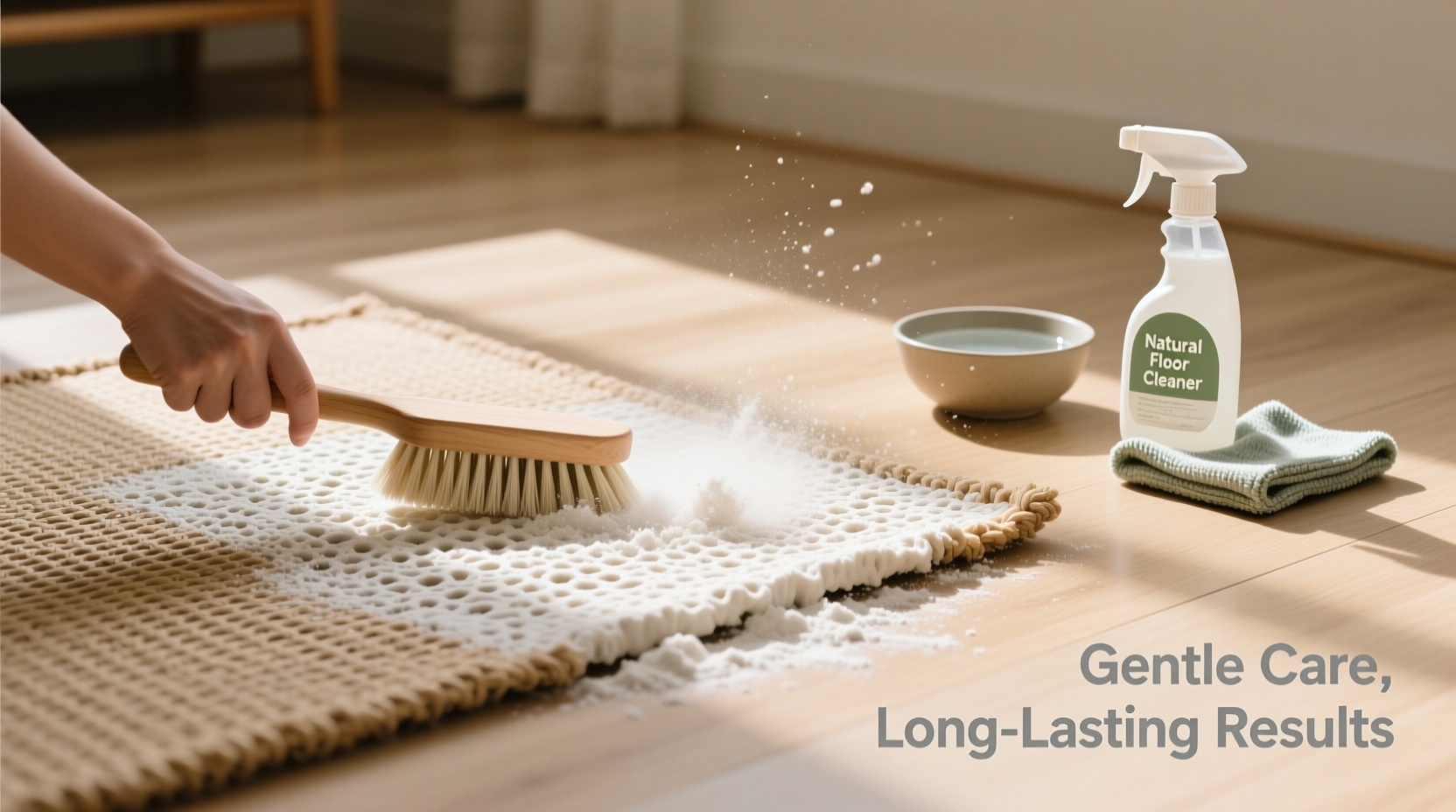
Diatomaceous earth floor mats are composed of a naturally occurring sedimentary rock that’s ground into a fine powder and compressed into solid tiles or mats. Their highly porous nature allows them to wick away moisture quickly, making them ideal for entryways, bathrooms, kitchens, and pet areas. Unlike synthetic mats, DE mats don’t trap odors; instead, they neutralize them through natural mineral action.
Because of their delicate microstructure, these mats respond poorly to abrasive tools and chemical cleaners. Water is acceptable in moderation, but prolonged soaking or exposure to acidic substances like vinegar or citrus-based cleaners can degrade the surface over time. Understanding this sensitivity is the first step toward proper care.
“Diatomaceous earth is remarkably resilient when treated gently, but its porous composition means it can’t withstand harsh treatments like bleach or pressure washing.” — Dr. Lena Torres, Materials Scientist specializing in natural building composites
Step-by-Step Guide to Cleaning Your DE Mat
Cleaning your diatomaceous earth floor mat doesn’t need to be complicated. With the right approach, you can maintain its performance without compromising integrity. Follow this six-step process for consistent results:
- Dry Removal First: Begin by removing loose debris. Use a soft-bristle brush or a vacuum with a brush attachment to sweep across the surface. Avoid beater bars, which can scratch or chip the edges.
- Spot-Treat Stains: For localized spills—especially oil, wine, or pet accidents—apply a small amount of baking soda directly to the area. Let it sit for 15–30 minutes to absorb moisture and odor, then gently brush it off.
- Prepare a Gentle Cleaning Solution: Mix one tablespoon of mild, pH-neutral dish soap (like castile soap) with one quart of lukewarm water. Never use ammonia, bleach, or acidic cleaners.
- Damp Wipe Only: Dip a soft microfiber cloth into the solution, wring it out thoroughly until almost dry, and gently wipe the mat’s surface. Work in small sections using circular motions. Do not flood the mat with water.
- Rinse Minimally: If needed, use a second clean, damp cloth with plain water to remove any soap residue. Again, ensure the cloth is barely moist.
- Air Dry Completely: Place the mat upright or on a drying rack in a well-ventilated area away from direct sunlight. Allow 24–48 hours for full drying before returning it to service.
Do’s and Don’ts of DE Mat Maintenance
| Do’s | Don’ts |
|---|---|
| Use a soft brush or vacuum with gentle suction | Use steel wool, scouring pads, or stiff brushes |
| Clean monthly or more often in high-traffic areas | Wait until the mat looks visibly dirty or smells |
| Dry thoroughly after any moisture exposure | Leave the mat in a damp pile or enclosed space |
| Rotate the mat every few months for even wear | Place under heavy furniture or appliances |
| Store flat in a dry place if not in use | Stack multiple mats tightly, which traps moisture |
Real Example: How a Homeowner Extended Her Mat’s Life by 3 Years
Sarah M., a homeowner in Portland, Oregon, installed a diatomaceous earth mat at her back door after her dog tracked mud into the house daily. Within months, she noticed reduced tracking and fewer odors in the hallway. But after a year, the mat began to look dull and less absorbent.
She initially tried cleaning it with a vinegar-water mix, following general online advice for natural cleaning. After two uses, she noticed fine cracks forming along the edges. Concerned, she contacted the manufacturer, who advised her to discontinue acidic cleaners and switch to a dry-brush method combined with occasional damp wiping using castile soap.
By adjusting her routine—brushing weekly, deep-cleaning every three months, and always allowing full air-drying—Sarah restored the mat’s performance. Now, four years later, it remains fully functional and has avoided replacement costs exceeding $120. Her experience underscores the importance of using appropriate cleaning agents and respecting the material’s limits.
Essential Maintenance Checklist
To help you stay consistent, here’s a printable-style checklist for caring for your diatomaceous earth floor mat:
- ✅ Vacuum or brush weekly to remove surface dust and debris
- ✅ Spot-treat stains immediately with baking soda
- ✅ Deep clean every 3 months using a mild soap solution
- ✅ Always allow 24–48 hours of complete air drying post-cleaning
- ✅ Rotate the mat 180° every 6 months for even wear
- ✅ Inspect for cracks or chips annually and sand lightly if needed
- ✅ Store flat and uncovered during extended non-use periods
Frequently Asked Questions
Can I use a steam cleaner on my diatomaceous earth mat?
No. Steam cleaners introduce excessive moisture and heat, which can compromise the internal structure of the mat. The intense vapor may cause cracking or delamination over time. Stick to manual cleaning with minimal water.
What should I do if my mat develops an odor?
An odor usually indicates trapped moisture or organic buildup. First, ensure the mat is completely dry. Then sprinkle food-grade diatomaceous earth or baking soda over the surface, let it sit for several hours, and vacuum thoroughly. Repeat if necessary. Avoid masking odors with perfumed sprays, as they can leave residues.
Is it safe to use on floors with underfloor heating?
Most manufacturers advise against placing DE mats directly over heated floors. The constant thermal cycling can lead to expansion and contraction, increasing the risk of cracking. If you must use one, choose a low-temperature radiant system and monitor the mat regularly for stress signs.
Conclusion: Care Today, Savings Tomorrow
Your diatomaceous earth floor mat is an investment in comfort, hygiene, and sustainability. Its natural properties make it uniquely effective—but only if maintained with care. By avoiding aggressive cleaners, limiting moisture exposure, and adopting a simple, consistent cleaning routine, you can preserve its function and appearance for many years. Remember, gentle maintenance isn’t just about cleanliness—it’s about respecting the material’s design and maximizing its lifespan. A few minutes of mindful care each week can save you money, reduce waste, and keep your home looking and feeling fresher.




 浙公网安备
33010002000092号
浙公网安备
33010002000092号 浙B2-20120091-4
Comments
No comments yet. Why don't you start the discussion?