
A plush zebra keychain doll is more than just a functional accessory—it’s often a sentimental favorite, a gift from someone special, or a cheerful companion on your daily keys. Over time, however, it accumulates dust, oils from hands, and environmental grime. While the temptation might be to toss it in the washing machine or scrub it vigorously, doing so can damage delicate fibers, distort its shape, or fade its signature black-and-white stripes. The good news is that with careful attention and the right techniques, you can restore your plush zebra keychain to soft, fresh condition—without leaving your home.
Why Gentle Cleaning Matters for Small Plush Toys
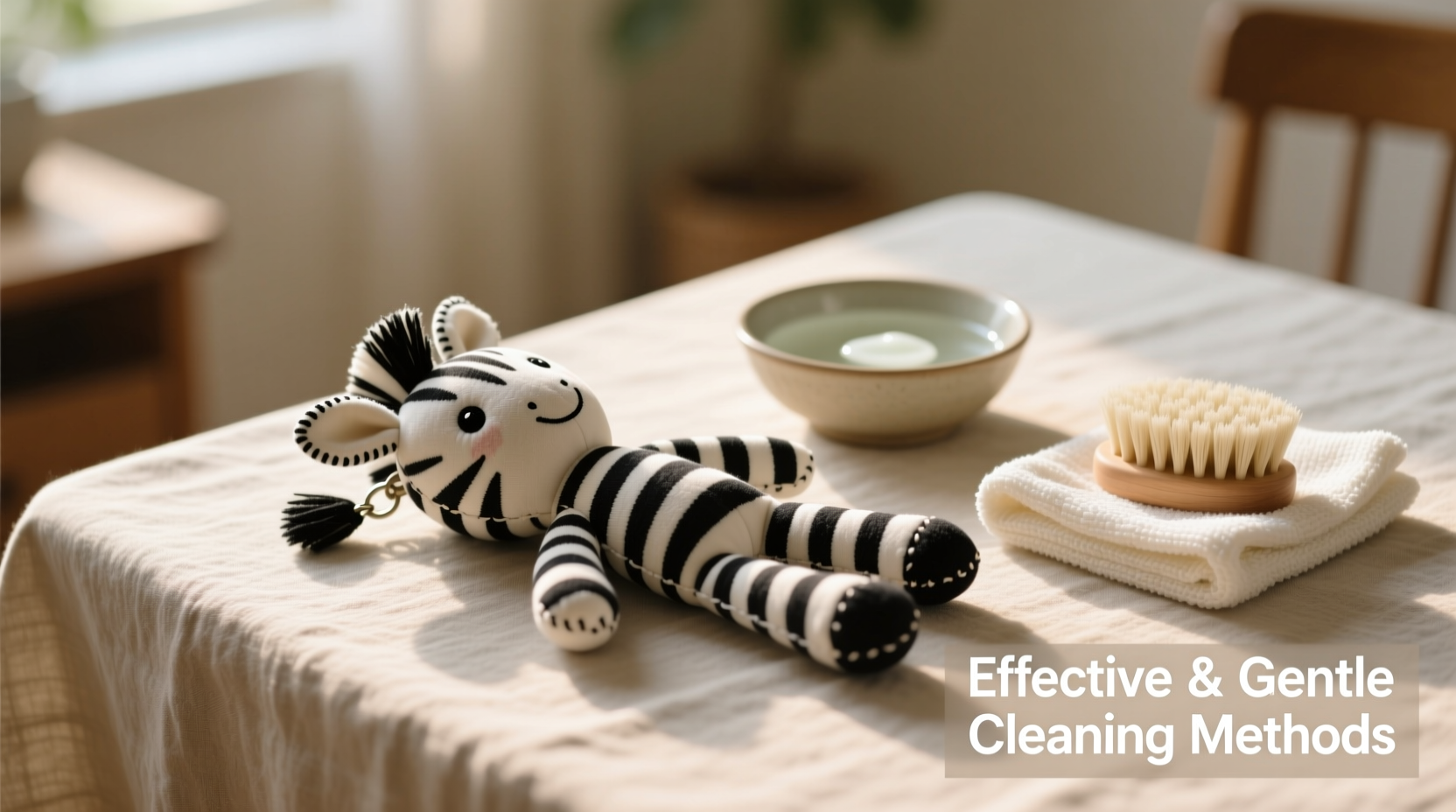
Plush keychain dolls are typically made from synthetic fibers like polyester, acrylic, or blends designed for durability and softness. However, their small size and constant exposure make them prone to wear. Aggressive cleaning methods—such as machine washing, harsh detergents, or excessive rubbing—can cause pilling, shedding, or even detachment of glued-on features like eyes or horns.
Additionally, many plush toys contain plastic pellets or beans for weight and structure. These fillings can clump or degrade when exposed to moisture or heat, leading to lopsided shapes or unpleasant odors. A gentle, targeted approach preserves both appearance and integrity.
“Small plush items require the same level of care as larger stuffed animals—sometimes even more, due to their compact construction and frequent handling.” — Dr. Lena Patel, Textile Conservation Specialist
Step-by-Step Guide: How to Safely Clean Your Plush Zebra Keychain
Cleaning your plush zebra keychain doesn’t require specialty products. With patience and precision, you can achieve excellent results using everyday household supplies. Follow this timeline-based method for best outcomes:
- Inspect the Keychain (5 minutes): Check for loose seams, detached parts, or areas with heavy soiling. If any components are glued (e.g., plastic eyes), avoid submerging those sections.
- Dry Brushing (3–5 minutes): Use a soft-bristled toothbrush or fabric brush to gently remove surface dust and lint. Work in the direction of the fabric nap to avoid fraying.
- Spot Test (10 minutes): Dampen a cotton swab with your chosen cleaning solution (see below) and test it on an inconspicuous area, such as the back of a leg or under the tail. Wait 15 minutes to ensure no discoloration or fiber damage occurs.
- Targeted Spot Cleaning (10–15 minutes): Dip a clean cloth or cotton ball in mild soapy water (or alternative solution). Gently dab stained areas without soaking the fabric.
- Rinse & Dry (48 hours): Wipe cleaned areas with a damp cloth to remove soap residue. Air dry flat away from direct sunlight or heat sources.
Recommended Cleaning Solutions and Their Uses
Not all cleaners are safe for plush materials. Below is a comparison of effective, gentle options suitable for small fabric toys:
| Solution | Best For | Preparation | Caution |
|---|---|---|---|
| Mild Dish Soap + Water | General dirt, oily fingerprints | 1 tsp clear dish soap per cup of lukewarm water | Avoid suds-heavy formulas; rinse thoroughly |
| White Vinegar + Water (1:1) | Odor removal, light disinfecting | Mix equal parts; use only on non-scented plush | Strong smell may linger briefly; not for colored fabrics if sensitive |
| Baking Soda Paste | Dried stains, spot treatment | Mix baking soda with a few drops of water | Apply sparingly; brush off completely after drying |
| Isopropyl Alcohol (70%) | Sanitizing metal keyring or rubber accents | Use on cotton swab for targeted application | Do not apply to fabric—can weaken fibers and fade colors |
Common Mistakes to Avoid
- Machine Washing or Drying: Even a quick cycle can break down fibers, especially in older or glued plush items.
- Using Bleach or Harsh Chemicals: These strip color and degrade fabric integrity, particularly on printed designs like zebra stripes.
- Excessive Moisture: Too much water can lead to mold growth inside the stuffing if not fully dried.
- Direct Heat Drying: Hairdryers or radiators can melt synthetic fibers or warp plastic components.
Mini Case Study: Reviving a Beloved Gift
Sophie, a college student in Portland, received a plush zebra keychain from her grandmother before starting school. After months of daily use, the once-vibrant toy had turned gray at the base and developed a musty odor from being kept in her backpack. Reluctant to replace it but unsure how to clean it safely, she tried wiping it with a baby wipe—only to notice slight color bleeding.
She then followed the spot-cleaning method using a mix of mild soap and water, focusing only on the dirtiest areas. She air-dried it overnight on a towel near an open window. Within two days, the keychain looked refreshed, retained its shape, and no longer carried the stale smell. “I was afraid I’d ruined it,” she said, “but taking it slow made all the difference.”
Care Checklist for Long-Term Maintenance
To keep your plush zebra keychain looking its best between deep cleanings, follow this simple routine:
- ✅ Gently brush with a soft toothbrush weekly
- ✅ Wipe fingers-contact areas monthly with a damp microfiber cloth
- ✅ Store in a breathable fabric pouch when not in use
- ✅ Rotate with other keychains to reduce wear
- ✅ Inspect for damage every 2–3 months
Frequently Asked Questions
Can I wash my plush keychain in the sink?
You can perform a partial wash by spot-cleaning in the sink, but avoid full submersion unless the manufacturer label confirms it's safe. Most small plush keychains are not designed for soaking.
How often should I clean my plush keychain?
Light surface cleaning every few weeks is ideal for frequently used keychains. A deeper clean—using spot treatment—is recommended every 3 to 6 months, depending on exposure to dirt, sweat, or outdoor elements.
What if my zebra keychain has a strong odor after cleaning?
If a mild scent remains after using vinegar or soap, place the keychain in a sealed container with activated charcoal or baking soda for 24 hours. Avoid perfumed air fresheners, which can leave residues.
Conclusion: Care That Honors Sentiment and Craft
Your plush zebra keychain may be small, but its emotional value and daily presence make it worth thoughtful care. By using gentle, intentional cleaning methods, you preserve not just its appearance but also the memories and connections it represents. Whether it’s a gift, a lucky charm, or simply a joyful accent on your keys, maintaining it properly ensures it stays soft, clean, and smiling for years to come.




 浙公网安备
33010002000092号
浙公网安备
33010002000092号 浙B2-20120091-4
Comments
No comments yet. Why don't you start the discussion?