
PVC keychains, especially beloved collectibles like the Hello Kitty pendant, are more than just accessories—they’re expressions of personality and nostalgia. Over time, these small but cherished items accumulate dust, fingerprints, and environmental grime that can dull their shine and compromise their appearance. While PVC is a durable plastic, it’s not impervious to damage from harsh chemicals or abrasive cleaning tools. Cleaning your Hello Kitty keychain improperly can lead to discoloration, surface scratches, or even cracking. The good news is that with the right approach, you can restore its luster gently and safely, preserving both its aesthetic and sentimental value.
Why Proper Cleaning Matters for PVC Keychains
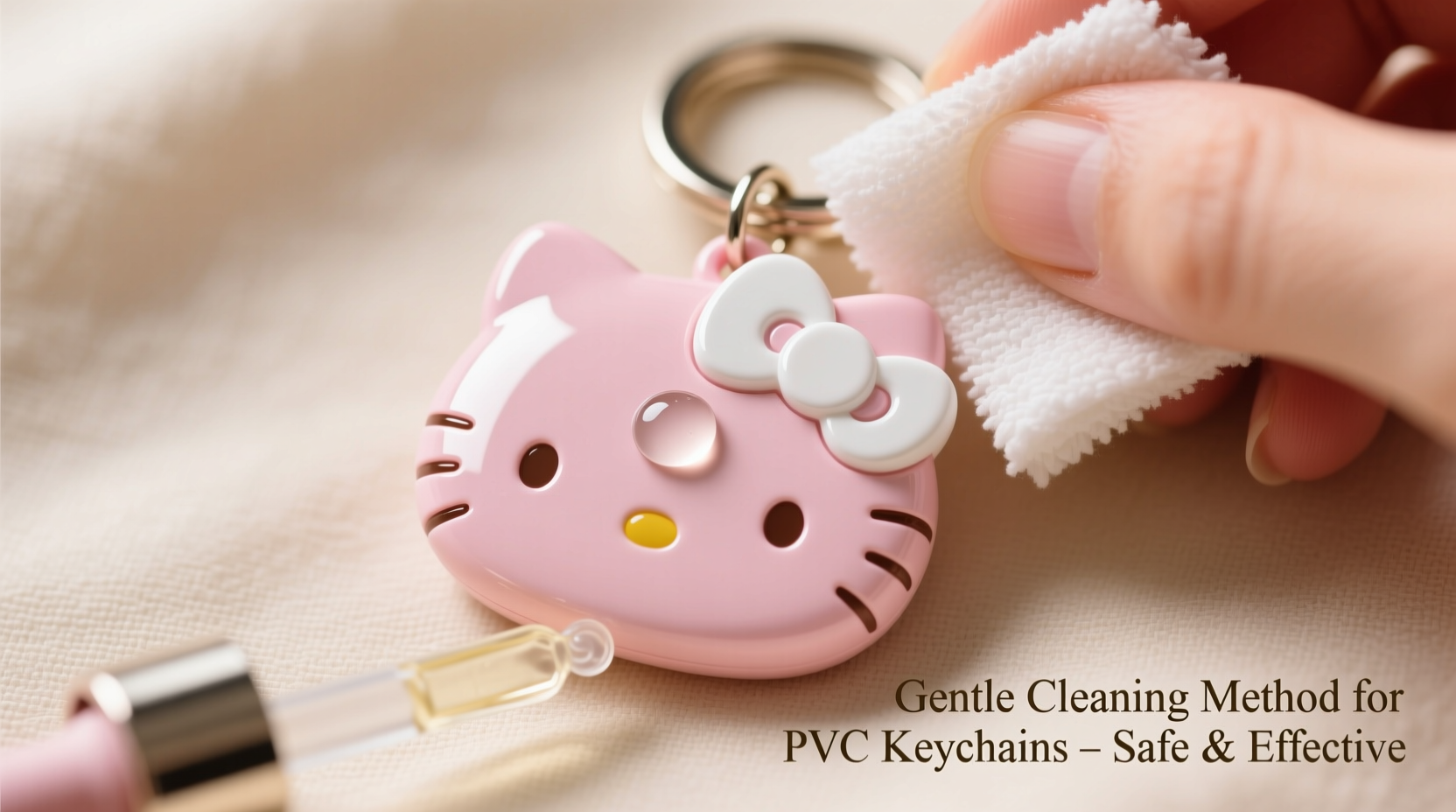
PVC (polyvinyl chloride) is widely used in fashion accessories due to its flexibility, clarity, and ability to hold vibrant colors. However, it’s sensitive to certain solvents, high heat, and UV exposure. A Hello Kitty keychain often features painted details, glossy finishes, and intricate mold lines—all of which can be compromised by aggressive cleaning. Residues from hand lotions, sweat, and air pollutants can also degrade the surface over time if not regularly removed.
Regular maintenance prevents buildup that becomes harder to remove later. More importantly, proper care ensures that the charm remains intact for years, whether it's attached to a bag, kept as a collector’s item, or passed down as a keepsake.
“Many people don’t realize that even everyday exposure to skin oils can slowly break down plastic surfaces. Gentle, consistent cleaning is key to longevity.” — Dr. Lena Torres, Materials Conservation Specialist
Step-by-Step Guide: Safe Cleaning Process for Your Hello Kitty Pendant
Cleaning a PVC keychain doesn’t require special equipment or expensive products. What matters most is patience, attention to detail, and using non-abrasive materials. Follow this step-by-step method to ensure a thorough yet safe clean:
- Remove from Keyring or Accessories: Detach the pendant from any metal rings, chains, or fabric attachments. This allows full access to all surfaces and prevents moisture from seeping into crevices where rust could form.
- Rinse Under Lukewarm Water: Hold the pendant under a gentle stream of lukewarm tap water to loosen surface dirt. Avoid hot water, as extreme temperatures can warp thin PVC pieces.
- Prepare a Mild Cleaning Solution: In a small bowl, mix a few drops of mild dish soap (like Dawn or Seventh Generation) with warm water. Do not use detergents with bleach, degreasers, or strong fragrances.
- Use a Soft-Bristled Brush: Dip a clean makeup brush, baby toothbrush, or soft detailing brush into the soapy solution. Gently scrub the surface, paying close attention to grooves, edges, and facial details on the Hello Kitty design. Never use steel wool, scouring pads, or stiff brushes.
Wipe with a Microfiber Cloth: After scrubbing, rinse the pendant again under lukewarm water. Then, carefully dry it with a lint-free microfiber cloth, applying light pressure to avoid scratching.- Air-Dry Completely: Place the pendant on a clean towel in a shaded area at room temperature. Allow it to dry fully before reattaching it—this prevents trapped moisture and potential mold development.
Do’s and Don’ts: Best Practices for PVC Care
| Do’s | Don’ts |
|---|---|
| Use pH-neutral soap and lukewarm water | Use alcohol-based cleaners or acetone |
| Clean monthly or when visibly dirty | Soak for extended periods (over 10 minutes) |
| Dry thoroughly with a microfiber cloth | Expose to direct sunlight while drying |
| Store in a soft pouch away from sharp objects | Leave in hot environments (e.g., car dashboard) |
| Inspect regularly for cracks or fading | Use ultrasonic cleaners or steam devices |
Real Example: Reviving a Faded Hello Kitty Keychain
Sophie, a longtime Sanrio collector from Portland, noticed her vintage 2015 Hello Kitty keychain had lost its vibrancy after being carried daily for two years. The white PVC body appeared yellowed, and the red bow looked faded. She avoided commercial cleaners, fearing further damage. Instead, she followed the gentle hand-wash method described above, using only baby shampoo and a makeup brush. After three cleaning sessions spaced one week apart, the yellowing significantly reduced. By storing it in a lined jewelry box when not in use, she prevented future degradation. Six months later, the keychain looks nearly new—proof that consistency beats intensity when caring for delicate plastics.
Alternative Cleaning Methods (When Soap Isn’t Enough)
In cases of deeper staining or prolonged neglect, standard washing may not suffice. Consider these alternative—but still safe—approaches:
- Vinegar-Water Soak (Short-Term): Mix one part white vinegar with three parts water. Submerge the pendant for no more than 5 minutes. Rinse immediately and dry. Vinegar helps dissolve mineral deposits and film buildup.
- Baking Soda Paste (Spot Treatment Only): Make a paste with baking soda and a few drops of water. Apply with a cotton swab to discolored areas, then wipe off within 30 seconds. Do not leave on the surface—baking soda is mildly abrasive.
- Isopropyl Alcohol Wipe (For Disinfection): Use a cloth dampened with 70% isopropyl alcohol to lightly wipe the surface only if sanitizing is needed (e.g., after sharing). Immediately follow with a water rinse and dry thoroughly. Never soak.
Frequently Asked Questions
Can I use baby wipes to clean my PVC Hello Kitty keychain?
It’s best to avoid most baby wipes, even fragrance-free ones. Many contain mild surfactants and preservatives that can leave residue or degrade plastic over time. If you must clean on the go, choose wipes labeled “water-only” or “for electronics,” and rinse the keychain when you get home.
How often should I clean my PVC keychain?
A light wash every 4–6 weeks is ideal for frequently handled items. If worn daily, consider a quick rinse and dry weekly. For display-only pieces, a thorough cleaning every 3–4 months is sufficient.
What should I do if my keychain starts peeling or cracking?
Peeling paint or surface cracks indicate advanced wear or prior chemical damage. Stop cleaning immediately and discontinue use. Store the piece in a cool, dark place to prevent further deterioration. While restoration isn’t possible, preserving it avoids worsening the condition.
Checklist: Monthly PVC Keychain Maintenance Routine
- ☐ Remove pendant from keys or bags
- ☐ Inspect for dirt buildup, scratches, or discoloration
- ☐ Wash with mild soap and soft brush
- ☐ Rinse under lukewarm water
- ☐ Dry completely with microfiber cloth
- ☐ Store in protective pouch or compartment
- ☐ Note any changes for future monitoring
Conclusion: Preserve Joy, One Clean at a Time
Your PVC Hello Kitty keychain carries more than just utility—it holds memories, personal style, and emotional connection. Treating it with care extends not only its physical life but also the joy it brings each time you see it. Gentle cleaning isn’t complicated, but it makes a lasting difference. By incorporating simple habits into your routine, you protect what matters most: the charm, color, and character of your favorite accessory.




 浙公网安备
33010002000092号
浙公网安备
33010002000092号 浙B2-20120091-4
Comments
No comments yet. Why don't you start the discussion?