
Maintaining a balanced, hydrated complexion starts with more than just drinking water or using a basic moisturizer. For many, especially those with dry, sensitive, or mature skin, the real transformation happens when incorporating a high-quality moisturizing face serum into their routine. Unlike heavier creams, serums deliver concentrated active ingredients deep into the skin’s layers, offering intense hydration without clogging pores. The key is finding options that are both effective and gentle—formulas that nourish without irritation.
This guide explores the science behind hydration, breaks down beneficial ingredients, compares top formulations, and offers practical advice for choosing and using a serum that works with your skin, not against it.
The Science of Skin Hydration: Why Serums Matter
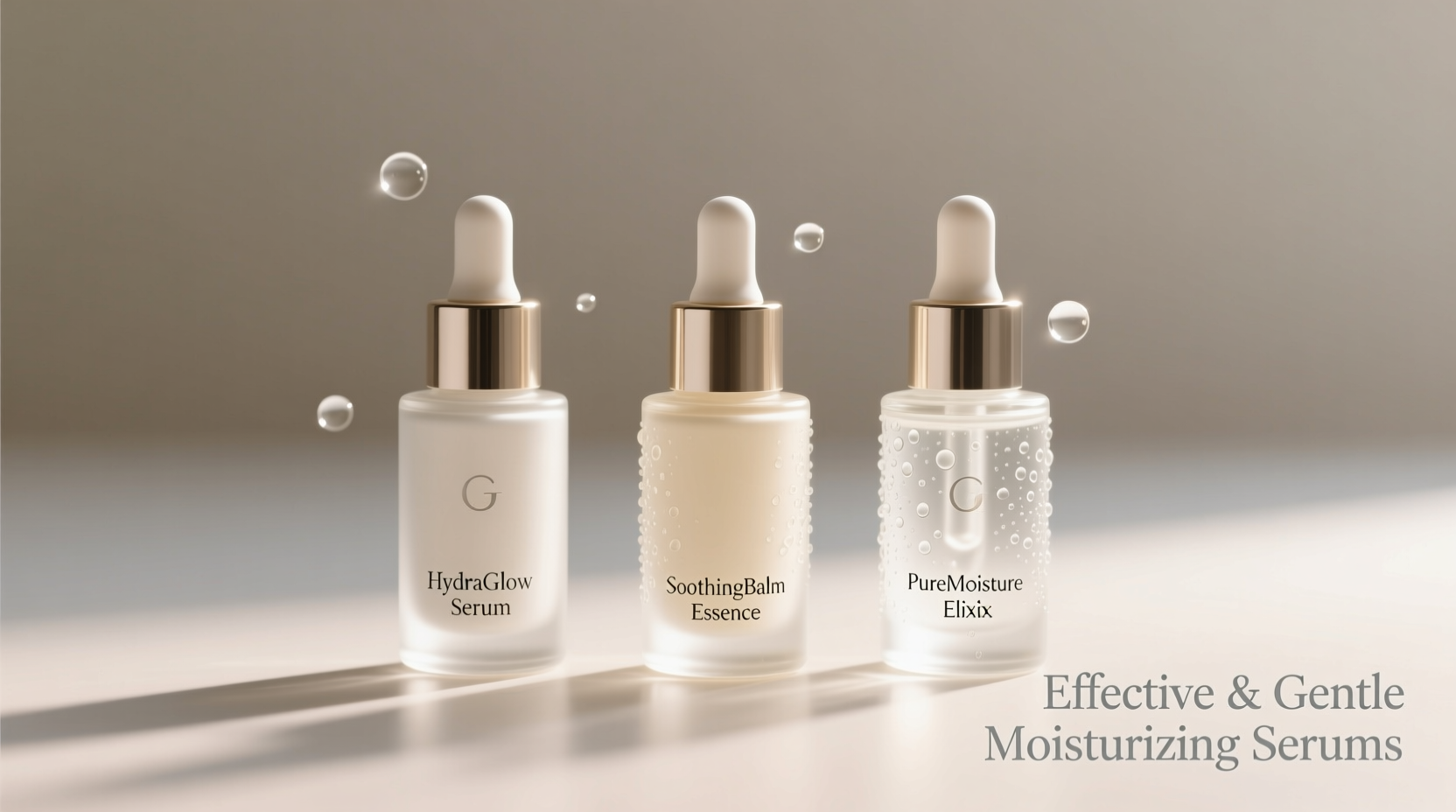
Skin hydration isn’t just about surface moisture—it’s about maintaining the skin’s natural barrier function. When the stratum corneum (the outermost layer) lacks water, it becomes flaky, tight, and prone to sensitivity. Traditional moisturizers sit on top of the skin, forming an occlusive layer. While helpful, they don’t always penetrate deeply enough to address underlying dehydration.
This is where serums excel. With smaller molecules and a lightweight texture, they absorb quickly and deliver humectants like hyaluronic acid, glycerin, and panthenol directly into the epidermis. These ingredients attract water from the environment and deeper skin layers, plumping cells and improving elasticity.
“Serums bridge the gap between cleansers and moisturizers by targeting specific concerns at a cellular level. A well-formulated hydrating serum can transform dull, dehydrated skin in as little as two weeks.” — Dr. Lena Torres, Board-Certified Dermatologist
Gentle hydration also supports skin repair. Chronic dryness can compromise the lipid barrier, increasing trans-epidermal water loss (TEWL). By reinforcing this barrier with non-irritating ingredients, moisturizing serums help lock in moisture and protect against environmental aggressors like pollution and temperature changes.
Key Ingredients to Look For (and Avoid)
Not all moisturizing serums are created equal. Some contain fragrances, alcohols, or essential oils that may trigger redness or inflammation, especially in sensitive skin types. Choosing wisely means understanding what goes into the bottle.
| Ingredient | Benefits | Caution |
|---|---|---|
| Hyaluronic Acid | Holds up to 1,000 times its weight in water; instantly plumps skin | Can feel drying in low-humidity environments if not sealed with moisturizer |
| Glycerin | Natural humectant; improves moisture retention and softness | Rarely causes issues; generally safe for all skin types |
| Panthenol (Provitamin B5) | Calms irritation, strengthens barrier, retains water | Non-comedogenic and suitable for acne-prone skin |
| Ceramides | Rebuilds lipid barrier; prevents moisture loss | Best paired with occlusives like squalane or shea butter |
| Fragrance / Essential Oils | Aesthetic appeal only | Common irritants; avoid if prone to sensitivity or rosacea |
| Denatured Alcohol | Used as a solvent or texture enhancer | Drying; can disrupt skin barrier over time |
When selecting a serum, prioritize formulas labeled “fragrance-free,” “non-comedogenic,” and “dermatologist-tested.” Multi-weight hyaluronic acid blends (containing low, medium, and high molecular weights) offer layered hydration, penetrating different depths of the skin for lasting results.
Top Gentle & Effective Moisturizing Serums Reviewed
The market is flooded with serums promising deep hydration, but few deliver both performance and gentleness. Based on dermatologist recommendations, ingredient transparency, and user feedback, here are three standout options:
- The Ordinary Hyaluronic Acid 2% + B5 – A budget-friendly formula combining three forms of hyaluronic acid with vitamin B5. Lightweight, non-sticky, and ideal for layering under moisturizer. Free from fragrance, silicones, and parabens.
- CeraVe Hydrating Hyaluronic Acid Serum – Contains ceramides, hyaluronic acid, and niacinamide to hydrate and restore the skin barrier. Developed with dermatologists, this serum is particularly effective for those with eczema-prone or reactive skin.
- Tatcha The Dewy Serum – A luxury option featuring Okinawa red algae and squalane. Delivers long-lasting moisture with a dewy finish. Though pricier, its soothing properties make it a favorite among users with mature or sensitized skin.
All three avoid common irritants while focusing on proven hydrators. For maximum benefit, apply to damp skin and follow with a moisturizer to seal in hydration.
How to Use a Moisturizing Face Serum: A Step-by-Step Routine
Even the best serum won’t work if used incorrectly. Follow this simple daily protocol to get the most out of your product:
- Cleanse Gently: Use a sulfate-free, pH-balanced cleanser to remove impurities without stripping natural oils.
- Pat Skin Dry—Then Dampen: After cleansing, leave skin slightly damp. Water activates humectants, allowing them to draw in more moisture.
- Apply 2–3 Drops of Serum: Warm the product between fingertips and press—don’t rub—onto face and neck. Focus on dry areas like cheeks and around the eyes.
- Layer with Moisturizer: Within 60 seconds, apply a gentle moisturizer to lock in the serum. This step is crucial for preventing evaporation, especially in dry climates.
- Use Sunscreen During the Day: Hydrated skin is more resilient, but still needs UV protection. Choose a mineral-based SPF if you have sensitivity.
“Hydration isn’t a one-step process. It’s a system: cleanse, hydrate, seal, protect.” — Dr. Lena Torres
Real Example: Sarah’s Journey to Calmer Skin
Sarah, a 34-year-old teacher from Portland, struggled with persistent dryness and redness every winter. She tried thick creams, facial oils, and even humidifiers—but her skin remained tight and flaky by midday. After consulting a dermatologist, she learned her skin wasn’t lacking oil—it was dehydrated.
She switched to a simple routine: a gentle cleanser, followed by CeraVe’s Hyaluronic Acid Serum on damp skin, then a light ceramide cream. Within ten days, her complexion softened. “It’s not greasy, doesn’t pill under makeup, and my skin feels bouncy again,” she said. “I finally understand the difference between moisture and oil.”
Her experience underscores a common misconception: oily skin can still be dehydrated. Even acne-prone individuals benefit from lightweight hydration, provided the formula is non-comedogenic and free of irritants.
FAQ
Can I use a moisturizing serum if I have oily skin?
Yes. Dehydration can affect any skin type. Lightweight, water-based serums with hyaluronic acid or glycerin add moisture without contributing to oiliness. In fact, properly hydrated skin may produce less excess sebum.
Should I use a serum morning and night?
Most hydrating serums are safe for twice-daily use. Apply after cleansing and before moisturizing in both routines. If you're introducing multiple actives (like retinoids or vitamin C), consider using the serum only at night to avoid overloading the skin.
How long does it take to see results?
Many users notice improved texture and suppleness within 3–7 days. Full benefits, including reduced fine lines and improved barrier strength, typically appear after 2–4 weeks of consistent use.
Checklist: Choosing Your Ideal Moisturizing Serum
- ✅ Free from synthetic fragrances and essential oils
- ✅ Contains proven humectants (hyaluronic acid, glycerin, panthenol)
- ✅ Includes barrier-supporting ingredients (ceramides, cholesterol, fatty acids)
- ✅ Non-comedogenic and dermatologist-tested
- ✅ Packaged in an opaque, air-tight container to preserve ingredient integrity
- ✅ Suitable for your skin type (dry, sensitive, combination, etc.)
Conclusion
Finding the best moisturizing face serum doesn’t require chasing trends or splurging on luxury brands. What matters most is a clean, intelligent formula that delivers hydration gently and effectively. Whether you’re combating seasonal dryness, calming sensitivity, or simply aiming for a healthier glow, the right serum can be a game-changer.




 浙公网安备
33010002000092号
浙公网安备
33010002000092号 浙B2-20120091-4
Comments
No comments yet. Why don't you start the discussion?