
Keeping your swimming pool water crystal clear isn’t just about adding chlorine—it starts with a properly functioning filtration system. Over time, debris, oils, and microscopic contaminants accumulate in your pool filter, reducing its efficiency and placing extra strain on your pump. A dirty filter can lead to cloudy water, increased chemical use, and even equipment failure. Fortunately, cleaning your pool filter doesn’t have to be complicated or time-consuming. With the right approach, you can maintain optimal filtration with minimal effort and maximum results.
Why Regular Filter Cleaning Matters
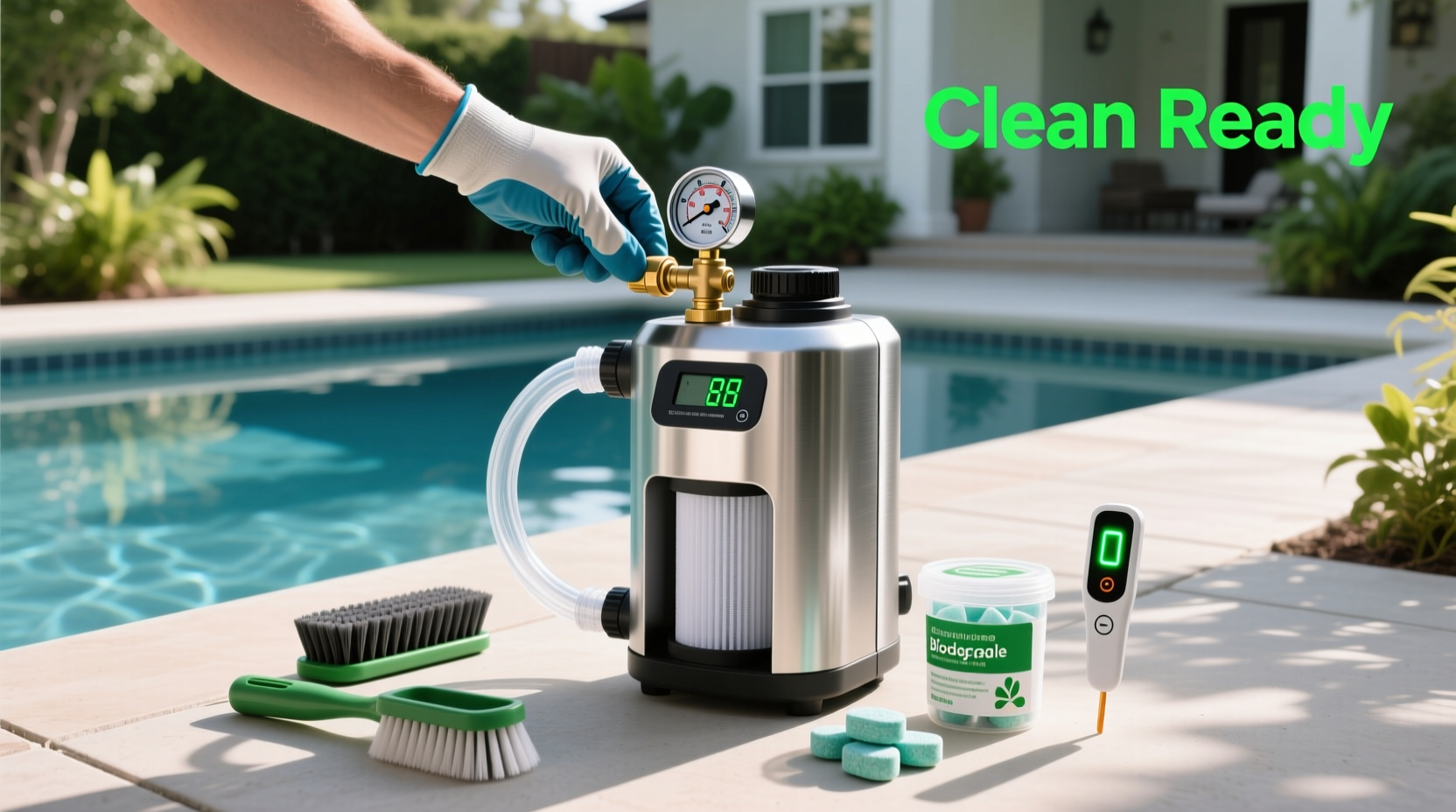
Your pool filter is the backbone of water clarity and sanitation. Whether you have a sand, cartridge, or diatomaceous earth (DE) filter, all types require periodic cleaning to perform efficiently. As contaminants build up, water flow diminishes, forcing your pump to work harder. This not only increases energy consumption but also shortens the lifespan of your equipment.
Most manufacturers recommend cleaning your filter every 4–6 weeks during peak swimming season. However, signs like reduced water pressure, longer run times to clear debris, or visible dirt on the filter media are clear indicators that it’s time for maintenance.
Step-by-Step Guide to Cleaning Each Filter Type
Different filters require different cleaning methods. Using the wrong technique can damage the system or leave residues behind. Below is a detailed breakdown for each major filter type.
Sand Filters: Backwashing and Deep Cleaning
- Turn off the pool pump and set the multiport valve to “Backwash.”
- Restart the pump and let it run until the water in the sight glass runs clear (usually 2–3 minutes).
- Switch the valve to “Rinse,” run the pump for 30 seconds, then return to “Filter” mode.
- For deep cleaning (recommended annually), disassemble and remove the sand. Replace old sand every 5–7 years.
- Use a specialized sand filter cleaner to soak internal components and eliminate oils and scale.
Cartridge Filters: Soaking and Rinsing
- Shut off the pump and open the filter housing.
- Remove the cartridge and rinse it thoroughly with a garden hose using a high-pressure nozzle.
- Focus on pleats where debris tends to accumulate.
- Soak the cartridge in a filter-cleaning solution (1 part cleaner to 6 parts water) for 4–8 hours.
- Rinse again before reinstalling. Avoid using a pressure washer—it can damage the fabric.
Diatomaceous Earth (DE) Filters: Recharging and Grid Maintenance
- Backwash the filter as you would with a sand filter.
- After backwashing, turn off the pump and open the filter tank.
- Remove the grid assembly and inspect for tears or clogs.
- Rinse grids thoroughly with a hose, paying attention to crevices.
- Soak grids in a DE-specific cleaner if oil or algae residue is present.
- Reassemble, close the tank, and recharge with fresh DE powder according to manufacturer instructions.
Comparison Table: Filter Types and Maintenance Needs
| Filter Type | Cleaning Frequency | Common Issues | Lifespan |
|---|---|---|---|
| Sand | Backwash weekly; deep clean annually | Sanding, channeling, poor turnover | 5–7 years (sand replacement) |
| Cartridge | Every 4–6 weeks | Pleat clogging, tearing | 3–5 years (cartridge life) |
| DE | Backwash monthly; deep clean biannually | Grid damage, DE blowback | 5+ years (with care) |
Expert Insight: What Professionals Recommend
“Many pool owners wait until water quality drops before cleaning their filter. But preventive maintenance is key. Clean your filter on a schedule, not based on symptoms. It saves energy, extends equipment life, and keeps water consistently safe.” — Michael Tran, Certified Pool Operator and Aquatics Technician
Tran emphasizes that regular inspection and timely cleaning prevent long-term issues. He also warns against over-backwashing sand filters, which wastes water and reduces filtration efficiency by washing away the naturally forming “dirt layer” that traps fine particles.
Tips for Hassle-Free Filter Maintenance
- Label your filter parts during disassembly to ensure correct reassembly.
- Use enzyme-based cleaners monthly to break down oils from sunscreen, lotions, and body fluids.
- Keep spare O-rings and gaskets on hand—they degrade over time and cause leaks.
- Inspect pressure gauges regularly; a 8–10 psi rise above normal indicates cleaning is due.
- Store removed cartridges in a shaded area to prevent UV damage while cleaning.
Real Example: How One Homeowner Fixed Cloudy Water
Jennifer M., a pool owner in Phoenix, noticed her pool water turning persistently cloudy despite adjusting chemicals. She checked chlorine levels, ran the pump longer, and even shocked the pool—nothing worked. Finally, she inspected her cartridge filter and found the pleats packed with fine dust and organic film. After soaking the cartridge overnight in a commercial filter cleaner and giving it a thorough rinse, she reinstalled it. Within hours, water clarity improved dramatically. Her flow rate increased by 30%, and her pump noise decreased significantly. Jennifer now cleans her filter every four weeks without fail.
This case highlights how a simple maintenance step can resolve complex-seeming water issues. Often, the root cause isn’t chemistry—it’s mechanics.
Checklist: Your Pool Filter Cleaning Routine
- Check pressure gauge reading and compare to baseline
- Inspect for leaks around the filter housing
- Backwash sand or DE filter (if applicable)
- Remove and rinse cartridge filter
- Apply filter cleaner if needed
- Reassemble and restart system
- Record cleaning date for tracking
Frequently Asked Questions
How do I know when my pool filter needs cleaning?
The most reliable sign is a 8–10 psi increase on your pressure gauge compared to the clean-start reading. Other signs include reduced water flow, longer circulation times, and cloudy water despite proper chemical balance.
Can I use household cleaners to wash my filter?
No. Dish soap, bleach, or vinegar can damage filter media, especially in cartridge and DE filters. Always use a cleaner specifically formulated for pool filters to avoid degrading fibers or leaving harmful residues.
Is it possible to clean a filter too often?
Yes, especially with sand filters. Over-backwashing removes the biofilm layer that helps trap fine particles. Stick to backwashing only when pressure rises 8–10 psi above normal. For cartridge filters, monthly cleaning is sufficient unless heavy debris is present.
Conclusion: Make Filter Care Simple and Effective
Cleaning your pool filter doesn’t need to be a daunting chore. By understanding your filter type, following a consistent routine, and using the right products, you can keep your pool running efficiently with minimal effort. Clear water, lower energy bills, and extended equipment life are all within reach when you prioritize this essential task. The best maintenance strategy isn’t reactive—it’s preventive.




 浙公网安备
33010002000092号
浙公网安备
33010002000092号 浙B2-20120091-4
Comments
No comments yet. Why don't you start the discussion?