
Losing weight is not just about counting calories—it’s about creating a sustainable energy deficit through movement that challenges your body and boosts metabolism. While diet plays a critical role, exercise accelerates fat loss, improves body composition, and enhances mental well-being. The best workouts for weight loss combine calorie burn, muscle engagement, and long-term adherence. This guide breaks down the most effective exercises, how to structure them, and how to stay consistent without burnout.
The Science Behind Exercise and Fat Loss
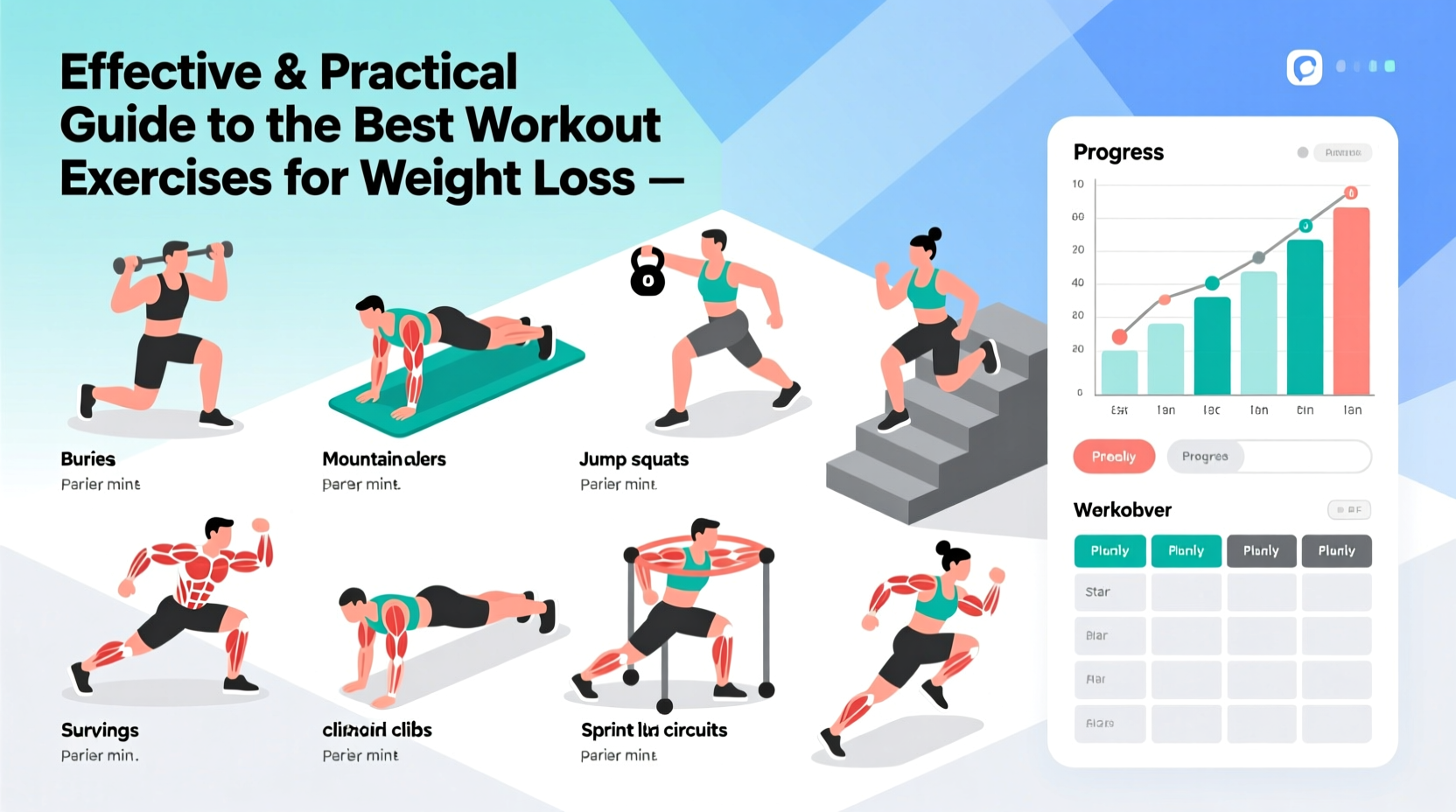
Weight loss occurs when you expend more energy than you consume. Exercise increases total daily energy expenditure (TDEE), making it easier to maintain a calorie deficit. However, not all workouts are equally effective. The most impactful routines elevate heart rate, engage large muscle groups, and create an afterburn effect—known as excess post-exercise oxygen consumption (EPOC)—where your body continues burning calories after the workout ends.
Aerobic (cardio) exercises like running or cycling burn significant calories during activity. Resistance training builds lean muscle, which increases resting metabolic rate over time. High-intensity interval training (HIIT) combines both, maximizing calorie burn in minimal time. For lasting results, a balanced approach that includes all three types yields the best outcomes.
“Exercise isn’t just about burning calories—it’s about reshaping your metabolism, improving insulin sensitivity, and building a body that burns fat more efficiently.” — Dr. Lena Patel, Sports Medicine Specialist
Top 5 Most Effective Exercises for Weight Loss
Certain movements deliver superior fat-burning results due to their intensity, full-body engagement, and scalability. These five exercises should form the core of any weight-loss fitness plan.
- Jump Rope – A single minute of jump rope can burn as many calories as running at a 6-minute mile pace. It’s portable, low-cost, and trains coordination while torching fat.
- Kettlebell Swings – This explosive hip-hinge movement engages the glutes, hamstrings, core, and shoulders. Done in circuits, it elevates heart rate and builds power.
- Deadlifts – One of the best compound lifts, deadlifts recruit nearly every major muscle group. More muscle activation means higher calorie expenditure and improved hormonal response.
- Burpees – A full-body powerhouse combining squat, plank, and jump. Burpees increase cardiovascular endurance and build functional strength with zero equipment needed.
- Rowing Machine Intervals – Rowing works 85% of your muscles while providing excellent cardio. Interval sessions on a rower boost EPOC and preserve muscle mass during fat loss.
How to Structure Your Weekly Workout Plan
An effective weight-loss routine balances frequency, intensity, and recovery. Overtraining leads to injury and burnout; undertraining yields minimal results. The following weekly structure optimizes fat loss while supporting consistency and progress.
| Day | Workout Type | Duration | Focus |
|---|---|---|---|
| Monday | Strength Training (Full Body) | 45 min | Muscle preservation, metabolic boost |
| Tuesday | HIIT (e.g., sprints, jump rope) | 25 min | Calorie burn, EPOC |
| Wednesday | Active Recovery (walking, yoga) | 30 min | Mobility, circulation |
| Thursday | Strength + Cardio Combo | 50 min | Circuit training (e.g., squats, push-ups, rowing) |
| Friday | HIIT or Metabolic Conditioning | 30 min | Maximize calorie expenditure |
| Saturday | Steady-State Cardio (brisk walk, bike) | 45–60 min | Fat oxidation, endurance |
| Sunday | Rest | - | Recovery, hydration, sleep focus |
This schedule ensures three strength sessions, two HIIT workouts, one longer cardio day, and dedicated recovery—striking the ideal balance between effort and sustainability.
Real-World Example: How Sarah Lost 28 Pounds in 5 Months
Sarah, a 34-year-old office worker, struggled with weight gain after her second child. She began with 30-minute walks and basic bodyweight exercises at home. After two weeks, she introduced kettlebell swings and jump rope intervals three times per week. She gradually added deadlifts and dumbbell rows using resistance bands and light weights.
She followed the weekly structure outlined above, adjusted for time—working out 4–5 days a week for 30–45 minutes. Combined with modest dietary changes (reducing sugary drinks, increasing protein), she lost 28 pounds over five months. Her energy improved, and she reported better sleep and mood stability. What made her successful wasn’t extreme workouts but consistency, progressive overload, and choosing exercises she could stick with long-term.
Essential Tips for Maximizing Results
- Prioritize compound movements – Focus on multi-joint exercises like squats, lunges, and presses that work multiple muscles at once.
- Incorporate progressive overload – Gradually increase weight, reps, or intensity to keep challenging your body.
- Don’t skip warm-ups – Dynamic stretches and light cardio prep your body and reduce injury risk.
- Track your workouts – Record sets, reps, and how you feel to monitor progress and stay motivated.
- Listen to your body – Soreness is normal; sharp pain is not. Rest when needed to avoid setbacks.
Your 4-Week Starter Checklist
If you're beginning your weight-loss fitness journey, follow this actionable checklist to build momentum and avoid common pitfalls.
- ✅ Choose 3–4 days per week for structured workouts
- ✅ Invest in basic equipment: resistance bands, jump rope, pair of dumbbells or kettlebell
- ✅ Learn proper form for key exercises (deadlifts, squats, push-ups) via trusted video tutorials or a trainer
- ✅ Warm up for 5–7 minutes before each session
- ✅ Schedule workouts like appointments—consistency beats intensity
- ✅ Hydrate well and aim for 7–8 hours of sleep nightly
- ✅ Take progress photos every two weeks instead of relying solely on the scale
- ✅ Celebrate non-scale victories: more energy, better mood, clothes fitting looser
Frequently Asked Questions
Can I lose weight with exercise alone?
Technically yes, but it’s far less efficient. Creating a calorie deficit through diet is easier than burning hundreds of extra calories daily through exercise. The most effective approach combines moderate dietary changes with regular physical activity.
How long before I see results from these exercises?
Visible changes typically appear within 4–6 weeks if you’re consistent with workouts and maintain a slight calorie deficit. Initial water weight fluctuations are normal. Focus on how you feel, your stamina, and measurements rather than daily scale changes.
Is it safe to do HIIT every day?
No. HIIT is highly demanding on the nervous system and joints. Limit it to 2–3 times per week with at least one rest day in between. Overuse can lead to overtraining, injury, and hormonal imbalances.
Final Thoughts: Build a Routine That Lasts
The best workout for weight loss isn’t the hardest or trendiest one—it’s the one you can stick with over time. Sustainability trumps intensity. Whether you prefer lifting weights, jumping rope, or rowing, the key is regularity and gradual progression. Combine effective exercises with smart structuring, proper recovery, and realistic expectations, and you’ll not only lose weight but also build a stronger, healthier version of yourself.




 浙公网安备
33010002000092号
浙公网安备
33010002000092号 浙B2-20120091-4
Comments
No comments yet. Why don't you start the discussion?