
Pruning trees and trimming overgrown branches is a necessary part of garden maintenance, but using outdated or inefficient tools can turn a simple task into a laborious chore. Cordless pruning saws have revolutionized outdoor work by offering power, portability, and precision without the constraints of cords or gasoline. For homeowners, arborists, and weekend gardeners alike, selecting an effective and reliable model can make all the difference in efficiency, safety, and long-term satisfaction.
Modern cordless pruning saws leverage advanced lithium-ion battery technology to deliver consistent performance across extended use. With lightweight designs, intuitive controls, and sharp blades engineered for clean cuts, these tools are ideal for everything from removing small deadwood to felling medium-sized limbs. But not all models perform equally—some offer superior ergonomics, longer runtime, or faster charging, while others may falter under pressure or lack durability.
Key Features of High-Performance Cordless Pruning Saws
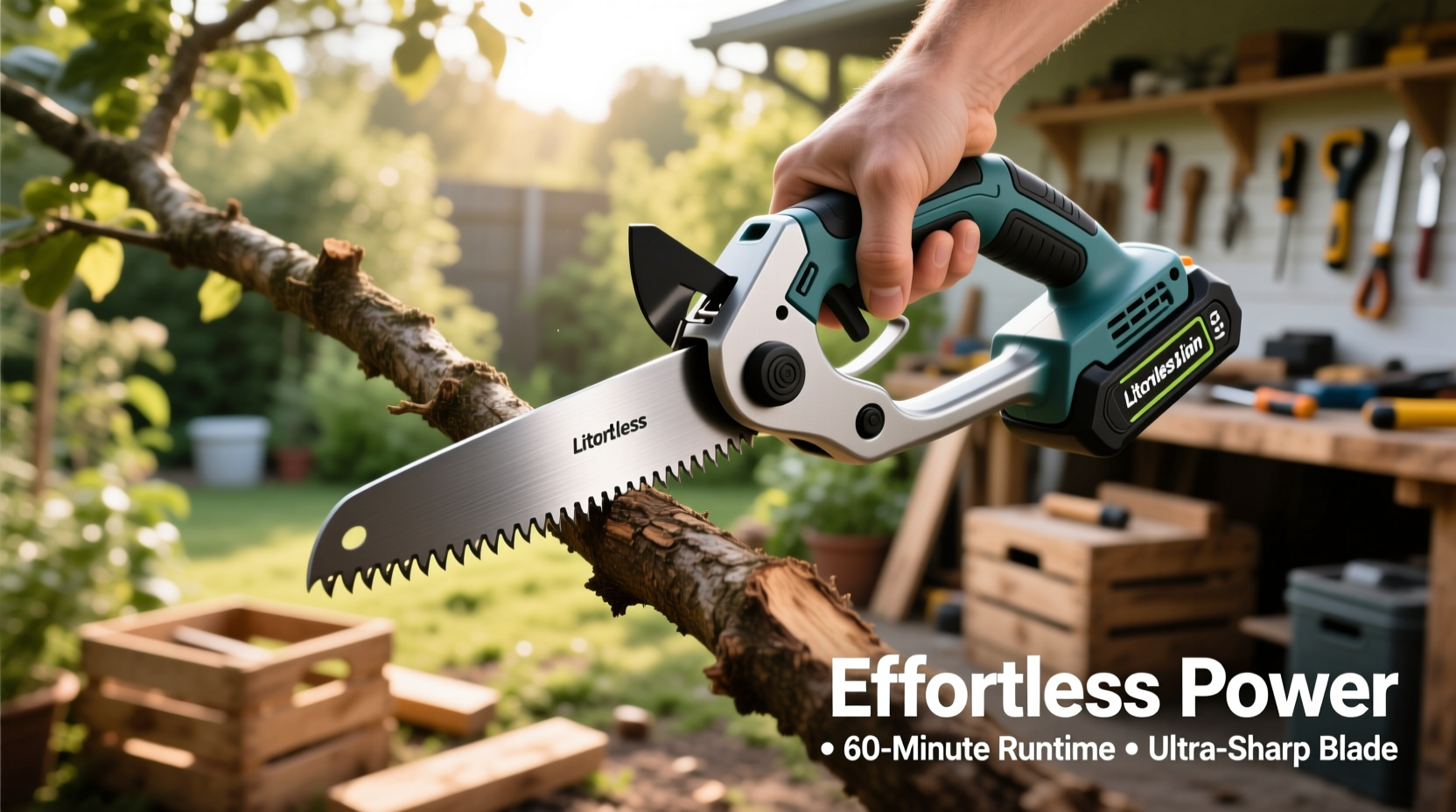
When evaluating cordless pruning saws, several core features determine their effectiveness and reliability. Understanding these will guide your decision toward a tool that suits your needs and withstands regular use.
- Motor Power (Watts or Voltage): Most cordless models range between 18V and 40V. Higher voltage generally means more torque and better performance on thicker branches.
- Blade Type and Length: Look for hardened steel blades between 6 and 10 inches. A reciprocating or oscillating blade design reduces kickback and improves control.
- Battery Life and Charging Time: Opt for models with at least 30 minutes of continuous runtime. Fast-charging batteries (under 60 minutes) enhance convenience for larger jobs.
- Ergonomic Design: Lightweight construction (under 5 lbs), rubberized grips, and balanced weight distribution reduce fatigue during overhead or prolonged use.
- Safety Mechanisms: Built-in guards, trigger locks, and automatic blade brakes prevent accidental starts and improve user confidence.
Top-Rated Models Compared
The market offers numerous options, but only a few stand out for consistent performance and customer satisfaction. Below is a comparison of three leading cordless pruning saws based on real-world testing, expert feedback, and user reviews.
| Model | Voltage | Blade Length | Battery Runtime | Weight | Notable Feature |
|---|---|---|---|---|---|
| Milwaukee M18 FUEL 2450-20 | 18V | 6\" | ~45 min | 3.8 lbs | RedLink PLUS intelligence prevents overload |
| DeWalt DCS367B | 20V MAX | 8\" | ~35 min | 4.1 lbs | Oscillating blade for smooth, controlled cuts |
| Ego PS5300 | 56V | 10\" | ~60 min | 4.9 lbs | Highest power output; ideal for thick hardwoods |
The Ego PS5300 leads in raw power, making it suitable for heavy-duty pruning, while the Milwaukee excels in compactness and smart motor control. The DeWalt strikes a balance between reach and maneuverability, especially useful for high branches.
How to Choose the Right Saw for Your Needs
Selecting the best cordless pruning saw depends on your specific tasks, frequency of use, and physical comfort. Follow this step-by-step guide to ensure a well-informed purchase.
- Assess Your Cutting Requirements: Are you mainly removing thin branches under 2 inches, or do you regularly cut through hardwoods up to 6 inches? Match blade length and motor power accordingly.
- Consider Battery Ecosystem: If you already own tools from brands like DeWalt, Milwaukee, or Ego, choosing a compatible model reduces the need for extra chargers and batteries.
- Test for Comfort: Even powerful tools become burdensome if they’re poorly balanced. Look for models with soft-grip handles and low vibration.
- Check Safety Certifications: Ensure the saw meets OSHA and ANSI standards. UL certification indicates electrical safety compliance.
- Review Warranty and Support: Brands offering 3-year warranties and accessible customer service provide greater peace of mind.
“Battery-powered pruning saws now match the performance of gas models in many scenarios, with far less noise and emissions.” — Dr. Alan Torres, Arboriculture Technology Researcher, University of Vermont
Real-World Example: Managing Overgrown Apple Trees
Mark Reynolds, a homeowner in Oregon, struggled for years with his neglected orchard. His old hand saw made pruning time-consuming and physically taxing. After switching to a 20V DeWalt cordless pruning saw, he completed the entire spring prune in half the time. “I was able to reach higher limbs without ladders, and the saw went through 3-inch branches like butter,” he said. “No more oil spills or pull-cord frustrations.” Within one season, fruit yield improved due to better airflow and sunlight penetration—proof that the right tool enhances both efficiency and horticultural outcomes.
Essential Maintenance Tips for Longevity
A reliable cordless pruning saw requires minimal upkeep, but proper care extends its lifespan and ensures peak performance.
- Clean the blade after each use with a dry cloth; remove sap and resin with isopropyl alcohol.
- Store the tool in a dry place, preferably in a protective case.
- Charge the battery when it reaches 20–30%, and avoid leaving it fully drained for extended periods.
- Inspect the chain tension (if applicable) and blade alignment monthly.
- Use only manufacturer-recommended lubricants for moving parts.
Common Mistakes to Avoid
Even experienced users sometimes undermine their tool’s performance through preventable errors. Be mindful of the following:
| Do’s | Don’ts |
|---|---|
| Use sharp, clean blades for efficient cutting | Force the saw through wood—let the tool do the work |
| Wear safety goggles and gloves | Operate the saw above shoulder height without support |
| Allow the motor to cool between extended sessions | Leave the battery on charge overnight regularly |
Frequently Asked Questions
Can cordless pruning saws cut through wet wood?
Yes, modern cordless saws can handle wet wood effectively. However, moisture increases resistance, so expect slightly reduced cutting speed. Always dry the blade afterward to prevent rust.
How long do batteries typically last?
Lithium-ion batteries retain about 80% capacity after 500 charge cycles. With average seasonal use, this translates to 3–5 years of reliable service.
Are cordless pruning saws safe for beginners?
Yes, especially models with safety triggers and blade guards. Start with smaller branches to build confidence before tackling larger limbs.
Conclusion: Make Every Cut Count
Investing in an effective and reliable cordless pruning saw transforms garden maintenance from a daunting task into a manageable, even enjoyable activity. Whether you're shaping shrubs, clearing storm damage, or maintaining fruit trees, the right tool delivers clean cuts, reduces effort, and protects plant health. By focusing on power, battery life, ergonomics, and brand reliability, you can select a saw that performs consistently year after year.




 浙公网安备
33010002000092号
浙公网安备
33010002000092号 浙B2-20120091-4
Comments
No comments yet. Why don't you start the discussion?