
Pet ownership brings joy, companionship, and responsibility. One of the most visible—and often overlooked—responsibilities is cleaning up after your dog in public areas. Left unattended, pet waste poses serious risks to public health, contaminates water sources, and degrades shared spaces like parks, sidewalks, and trails. While many pet owners do their best, inconsistent practices and lack of awareness can undermine community efforts to maintain cleanliness and safety. This guide outlines proven, ethical, and practical methods for properly disposing of pet poop in public settings, ensuring that both pets and people can coexist harmoniously.
Why Proper Pet Waste Disposal Matters
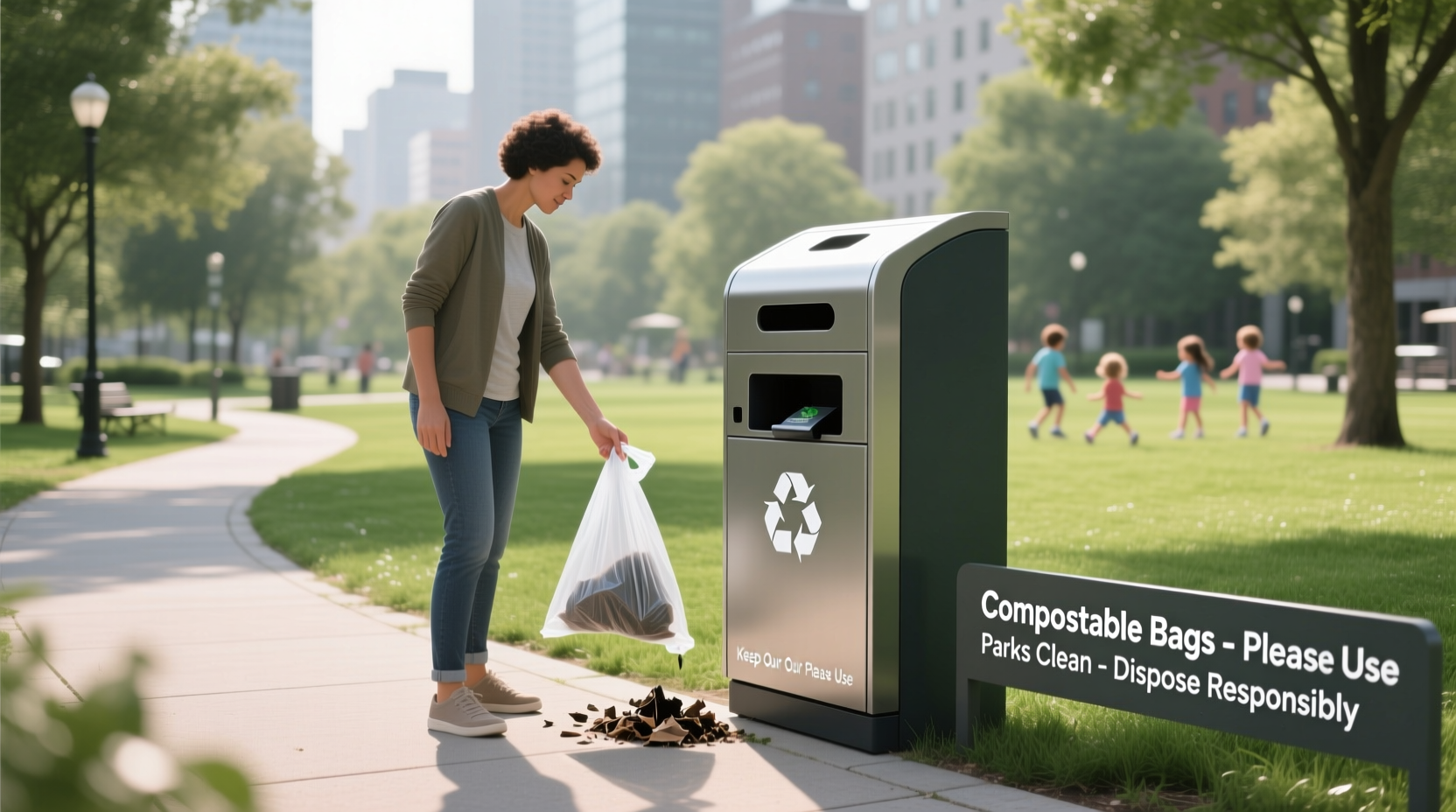
Pet waste isn’t just an eyesore—it’s a biological hazard. A single gram of dog feces can contain over 23 million coliform bacteria, including E. coli, salmonella, and parasites like roundworms and giardia. When left on sidewalks or grass, rainwater washes these contaminants into storm drains, which often flow directly into rivers, lakes, and coastal waters without treatment.
According to the Environmental Protection Agency (EPA), pet waste is a leading source of bacterial pollution in urban waterways. In addition to environmental harm, unchecked waste creates slip hazards, emits foul odors, and discourages public use of green spaces. Responsible disposal is not merely courteous—it's a civic duty that protects ecosystems and public well-being.
Step-by-Step Guide to Responsible Pet Poop Disposal
Handling pet waste in public requires preparation, technique, and follow-through. Follow this five-step process to ensure safe and sanitary cleanup every time:
- Prepare Before You Leave: Stock a roll of biodegradable or compostable waste bags in a portable dispenser attached to your leash or in your pocket. Include hand sanitizer or wipes.
- Collect Promptly: Use the bag as a liner to pick up all waste completely. Avoid partial scoops or leaving residue behind.
- Seal and Contain: Twist the open end of the bag tightly and knot it to prevent leaks and odor escape.
- Dispose in Designated Trash: Place the sealed bag in a public trash can. Never leave it dangling on bushes (“bag it and tag it”) or place it near recycling bins.
- Sanitize Hands: Use hand sanitizer or disinfecting wipes immediately after handling waste, even if you used a bag.
This routine minimizes contamination risk and reinforces consistent habits. Over time, it becomes second nature—much like putting on a seatbelt.
Best Practices and Common Mistakes
Even well-intentioned pet owners sometimes make errors that reduce the effectiveness of their cleanup efforts. The following table highlights key do’s and don’ts when managing pet waste in public.
| Do’s | Don’ts |
|---|---|
| Use biodegradable or flushable-certified bags where appropriate | Flush non-flushable bags or large amounts of waste down toilets |
| Dispose of sealed waste in lined public trash cans | Leave bags tied to trees, railings, or poles |
| Wash hands or use sanitizer after cleanup | Assume rain will “wash away” the problem |
| Train your dog to go in designated pet relief areas when available | Ignore waste because “someone else will clean it” |
| Report broken or overflowing waste stations to local authorities | Compost dog waste in home systems used for gardening |
One common misconception is that biodegradable bags can be left to decompose outdoors. In reality, they require specific conditions—such as industrial composting facilities—to break down safely. Leaving them in parks defeats their purpose and still pollutes the environment.
Real-World Example: How One City Improved Compliance
In Portland, Oregon, city officials noticed low compliance with pet waste cleanup in popular off-leash parks. To address this, they launched the “Scoop the Loop” campaign in Forest Park, combining education, infrastructure upgrades, and community engagement.
The initiative installed solar-powered waste dispensers with free compostable bags and clear signage explaining health risks. Volunteer ambassadors handed out starter kits and answered questions during peak walking hours. Within 18 months, observed littering dropped by 67%, and user surveys showed a significant increase in awareness and willingness to clean up.
This case demonstrates that structural support—combined with consistent messaging—can shift behavior more effectively than fines or shaming alone.
“Public hygiene is a shared responsibility. When cities make responsible choices easy and accessible, compliance follows.” — Dr. Lena Torres, Urban Public Health Specialist
Choosing the Right Waste Bags and Tools
Not all pet waste bags are created equal. Consider the following factors when selecting products:
- Eco-materials: Look for ASTM D6400 certification for compostability or BPI (Biodegradable Products Institute) approval.
- Strength: Thicker gauge bags (30+ microns) resist tearing, especially with larger breeds.
- Scent control: Charcoal-lined or scented bags help reduce odor during transport.
- Portability: Compact dispensers that attach to leashes ensure you’re never caught unprepared.
Some municipalities provide free bags at park entrances—take advantage of these resources. If you prefer reusable tools, consider a pooper-scooper with a detachable bagging mechanism, though these are less practical in high-traffic public zones.
Frequently Asked Questions
Can I flush dog poop down the toilet?
In most U.S. communities, yes—provided it’s not mixed with a plastic bag. The EPA states that flushing untreated dog waste is safe if your area has a centralized sewer system. However, avoid flushing waste from dogs on medication, as pharmaceutical residues can affect water treatment. Do not flush in septic-dependent areas without consulting a specialist.
Are compostable bags better than regular plastic?
They can be, but only if they’re processed correctly. Compostable bags won’t degrade in landfills or on sidewalks. They require high-heat industrial composting. If your city doesn’t offer pet waste composting programs, standard plastic may have a comparable footprint. The key is proper disposal either way.
What should I do if there are no trash cans nearby?
Carry the sealed bag with you until you find a proper bin. Keep it in a closed pocket or use a small odor-proof container. Never abandon it. Alternatively, plan routes that pass known disposal points or advocate for additional waste stations in underserved areas.
Checklist: Responsible Pet Waste Disposal Routine
Use this checklist to ensure you’re always prepared and compliant:
- ☑ Carry at least two waste bags on every walk
- ☑ Use a sturdy, leak-proof bag to collect all waste
- ☑ Seal the bag completely after pickup
- ☑ Deposit in a public trash can with a lid
- ☑ Sanitize hands or use hand sanitizer immediately
- ☑ Report missing or full waste stations to local parks department
- ☑ Educate fellow pet owners respectfully when needed
Conclusion: A Small Act with Big Impact
Cleaning up after your pet in public spaces is one of the simplest yet most meaningful actions you can take as a responsible owner. It reflects respect for neighbors, environmental stewardship, and pride in shared community spaces. With the right tools, knowledge, and habits, proper disposal becomes effortless—and its cumulative effect transforms neighborhoods for the better.




 浙公网安备
33010002000092号
浙公网安备
33010002000092号 浙B2-20120091-4
Comments
No comments yet. Why don't you start the discussion?