
Popping a pimple is one of those universally tempting yet risky skincare decisions. While the urge to extract a whitehead or drain a swollen bump can be overwhelming, doing so improperly can lead to scarring, hyperpigmentation, and even deeper infections. The truth is, not all pimples should be popped—and when they are, the method matters far more than most people realize. Dermatologists emphasize that with the right timing, tools, and technique, limited extraction can be done safely. This guide breaks down the science-backed approach to managing pimples at home without compromising skin health.
When (and When Not) to Pop a Pimple
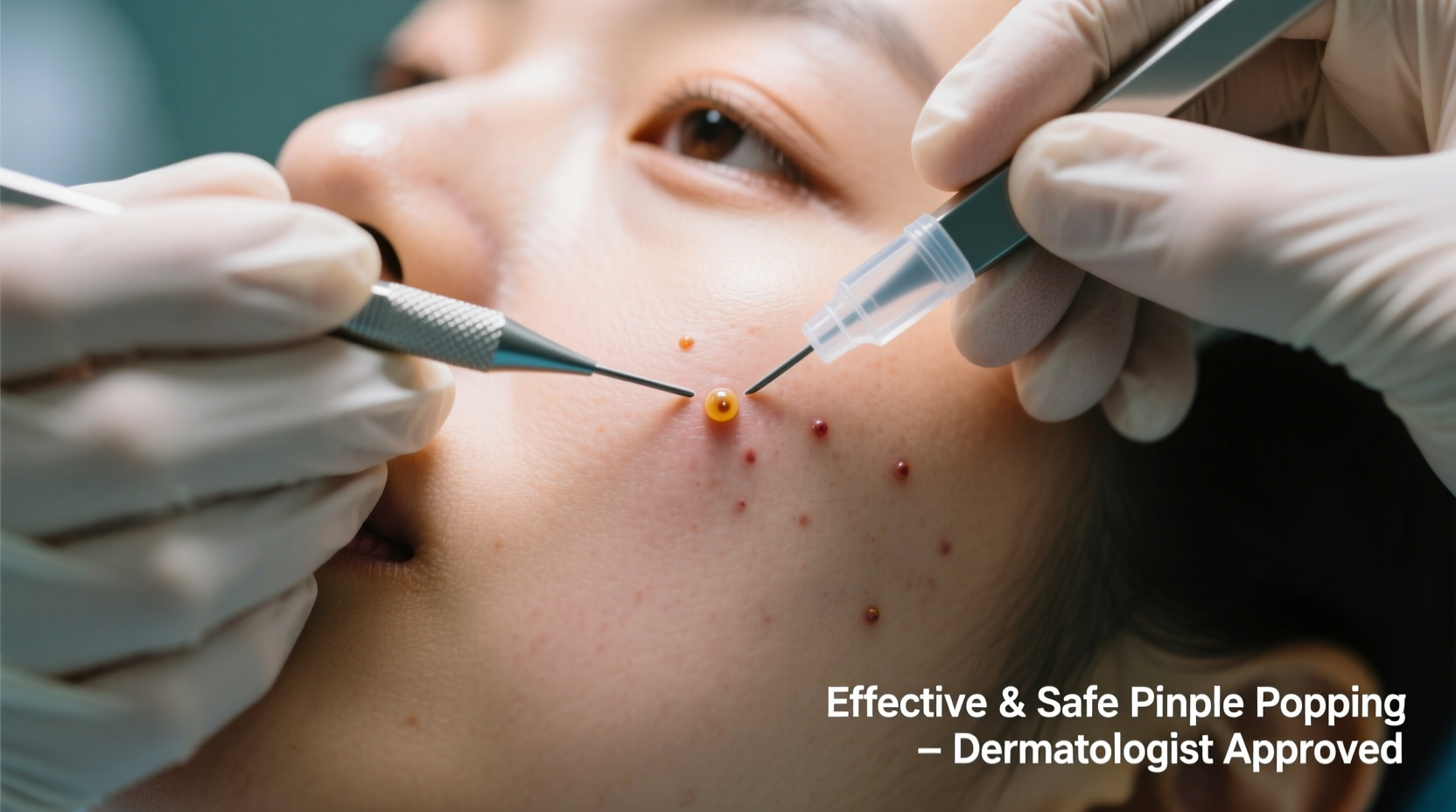
The decision to pop a pimple hinges on its maturity. A pimple that’s ready for extraction will have a visible white or yellow center, meaning pus has collected just beneath the surface. At this stage, gentle pressure may help clear it faster—provided hygiene and technique are prioritized.
However, many pimples are not suitable for popping. Deep, red, inflamed nodules or cysts lack a head and sit far below the skin’s surface. Attempting to extract these forces bacteria deeper into the dermis, increasing inflammation and the risk of permanent scarring.
Signs a Pimple Is Ready to Pop
- A clearly visible white or yellow center
- No tenderness or deep pain upon light touch
- Sits close to the skin’s surface
Signs You Should Avoid Popping
- Deep under the skin with no head
- Very red, warm, or painful
- Located near the nose, eyes, or mouth (danger triangle)
- Recurrent in the same spot (possible cystic acne)
“Popping a pimple can be justified if it’s superficial and fully formed, but only when done under sterile conditions. Otherwise, you're trading temporary satisfaction for long-term damage.” — Dr. Lena Reyes, Board-Certified Dermatologist
Step-by-Step Guide to Safe Pimple Extraction
If your pimple meets the criteria for extraction, follow this dermatologist-recommended sequence to minimize harm and maximize healing.
- Cleanse the area. Wash your face with a gentle, non-comedogenic cleanser. Use lukewarm water to open pores slightly.
- Steam (optional). Hold your face over a bowl of hot water for 3–5 minutes to soften the skin and encourage drainage.
- Sanitize your hands and tools. Wash hands thoroughly with antibacterial soap. If using tweezers or a comedone extractor, disinfect with rubbing alcohol (70% isopropyl).
- Apply light pressure with clean cotton pads. Wrap fingertips in clean tissue or use sterile gauze. Gently press around the pimple—not directly on it—to encourage release.
- Stop immediately if resistance is felt. No blood or clear fluid should emerge. If the pimple doesn’t release easily, do not force it.
- Disinfect after extraction. Apply a dab of over-the-counter benzoyl peroxide or tea tree oil to prevent infection.
- Mothball the area. Avoid makeup, touching, or sun exposure for at least 12 hours.
Do’s and Don’ts of Pimple Popping
| Do’s | Don’ts |
|---|---|
| Wash hands and face before touching the pimple | Use unclean fingers or tools |
| Wait until the pimple has a visible head | Pop deep, inflamed cysts |
| Use a sterilized comedone extractor | Squeeze repeatedly over several days |
| Apply an antiseptic afterward | Touch the area post-extraction |
| Let the skin heal naturally | Apply heavy makeup immediately |
Real-Life Example: A Cautionary Story
Twenty-four-year-old Maya developed a large, red bump near her chin. Though painful, she attempted to pop it using her nails after a late-night skincare routine. It didn’t drain, so she pressed harder, eventually drawing blood. Over the next week, the area swelled further, turned darker, and left a noticeable indented scar. She consulted a dermatologist months later, who explained that the trauma disrupted collagen production and led to atrophic scarring—a common consequence of improper extraction.
With proper treatment including topical retinoids and monthly chemical peels, Maya gradually improved her skin texture. Her experience underscores a critical lesson: impatience leads to irreversible damage. Had she waited or sought professional help, the outcome could have been far different.
Alternatives to Popping: Safer Ways to Treat Pimples
Most dermatologists agree: prevention and early intervention are superior to extraction. Consider these proven alternatives before resorting to manual removal.
- Spot treatments: Products containing 2.5% benzoyl peroxide reduce bacteria and inflammation within 24–48 hours.
- Warm compresses: Applying a clean, warm cloth for 10–15 minutes twice daily encourages natural drainage without trauma.
- Hydrocolloid patches: These medicated stickers absorb fluid, protect the lesion, and speed healing while preventing picking.
- Topical retinoids: Help unclog pores and regulate cell turnover, reducing future breakouts.
- Professional extractions: Performed in-office with sterile instruments by licensed estheticians or dermatologists.
Frequently Asked Questions
Can popping a pimple make it worse?
Yes. Improper popping introduces bacteria, spreads infection, and damages underlying tissue, often making the pimple larger, redder, and longer-lasting. In severe cases, it can trigger abscess formation or permanent scarring.
How long does it take for a popped pimple to heal safely?
A properly extracted pimple typically heals within 3–7 days if kept clean and protected. However, if irritation, bleeding, or dark marks occur, healing may extend to several weeks or months, especially in individuals prone to post-inflammatory hyperpigmentation.
Is it ever okay to pop a blackhead?
Blackheads—open comedones—are less inflammatory and safer to extract than closed pimples, provided tools are sterilized and gentle pressure is used. However, frequent extraction can stretch pores over time. For persistent blackheads, salicylic acid or professional chemical peels are more sustainable solutions.
Final Checklist for Safe Pimple Management
- Confirm the pimple has a visible white head and isn’t deeply inflamed.
- Wash your face and hands with antibacterial soap.
- Gather sanitized tools: cotton pads, alcohol-wiped extractor, or gauze.
- Apply gentle, even pressure from the sides—not the center.
- Stop if no contents release easily or if pain increases.
- Disinfect the area post-popping with benzoyl peroxide or tea tree oil.
- Leave the skin undisturbed for at least 12 hours; avoid makeup and touching.
- If unsure, skip extraction and use a hydrocolloid patch instead.
Conclusion: Prioritize Skin Health Over Instant Relief
The desire to eliminate a pimple overnight is understandable, but lasting skin clarity comes from discipline, not desperation. Choosing not to pop—especially when the pimple isn’t ready—is often the bravest and wisest move. When extraction is appropriate, meticulous hygiene and restraint are non-negotiable. Remember, every time you refrain from aggressive picking, you preserve your skin’s integrity and reduce the risk of lifelong scars.




 浙公网安备
33010002000092号
浙公网安备
33010002000092号 浙B2-20120091-4
Comments
No comments yet. Why don't you start the discussion?