
Bleach remains one of the most powerful and widely accessible disinfectants available for household and institutional use. When used correctly, it can destroy bacteria, viruses, and fungi on surfaces—making it essential during flu season, after illness, or in high-traffic environments. However, improper use of bleach can damage surfaces, create toxic fumes, or leave behind ineffective residue. This guide provides clear, science-based instructions for using bleach safely and effectively, ensuring maximum sanitation without unnecessary risk.
Understanding How Bleach Works
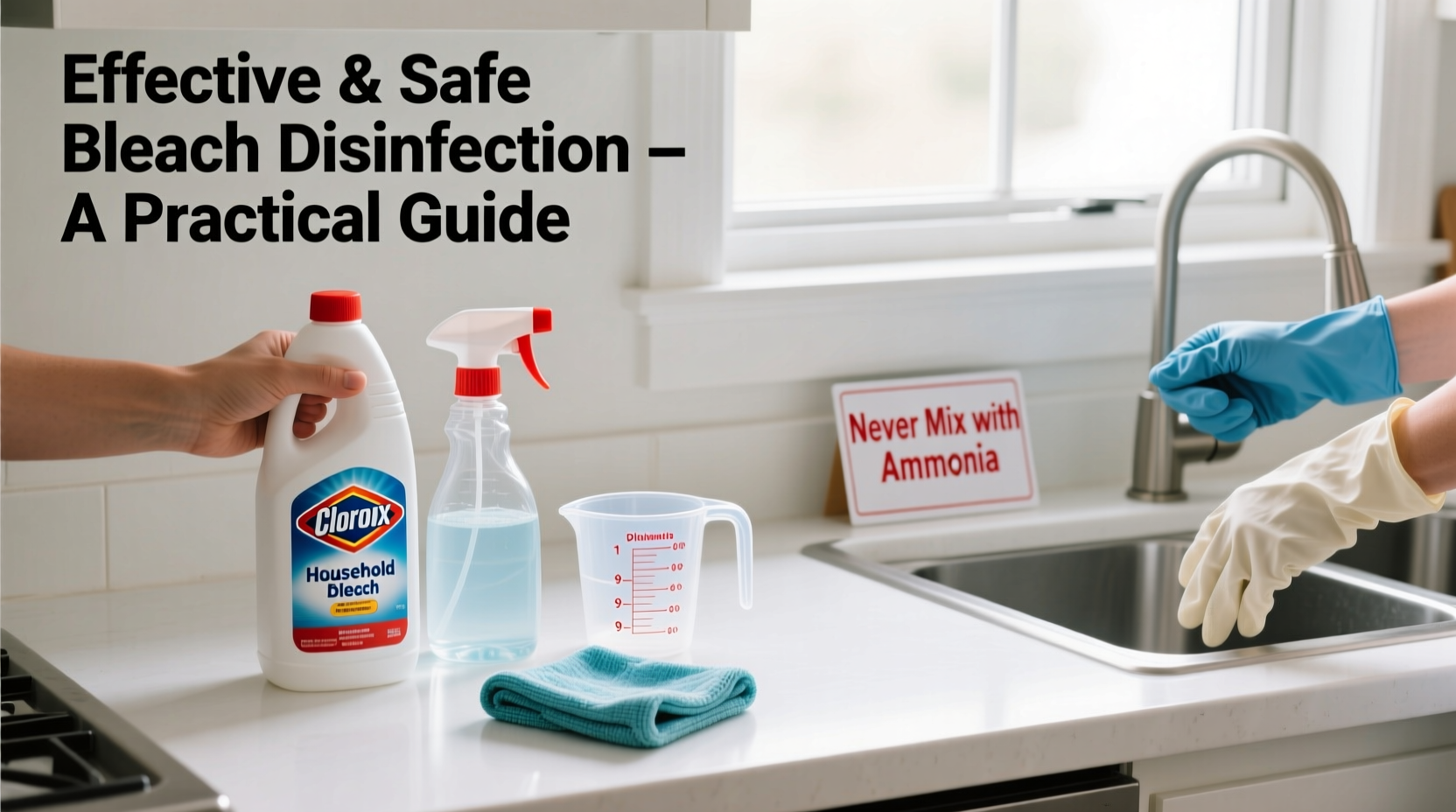
Sodium hypochlorite, the active ingredient in common household bleach, disrupts the proteins and enzymes of microorganisms, rendering them inactive. It is particularly effective against pathogens like influenza, norovirus, and SARS-CoV-2 when applied correctly. However, its potency depends on concentration, contact time, and environmental factors such as pH and organic load (e.g., dirt, bodily fluids).
Not all bleaches are created equal. Standard liquid chlorine bleach typically contains 5–6% sodium hypochlorite. Always check the label before use. Avoid splashless or scented variants for disinfection—they often contain additives that reduce efficacy and may pose health risks when mixed with other chemicals.
Dilution Ratios for Different Applications
The correct bleach-to-water ratio ensures both safety and effectiveness. Too little bleach won’t kill germs; too much can corrode surfaces and release harmful vapors. The Centers for Disease Control and Prevention (CDC) recommends specific dilutions based on intended use.
| Purpose | Bleach (household, 5–6%) | Water | Contact Time |
|---|---|---|---|
| General disinfection (countertops, doorknobs) | 5 tablespoons (⅓ cup) | 1 gallon | 1 minute |
| High-risk areas (after illness, bathrooms) | ¾ cup | 1 gallon | 5 minutes |
| Disinfecting water (emergency) | 8 drops | 1 quart/liter | 30 minutes |
| Laundry whitening & disinfecting | ½ cup | Regular load size | During wash cycle |
For smaller batches, scale down: 4 teaspoons of bleach per quart of water achieves the standard 1:10 dilution. Always mix in a well-ventilated area and use clean containers—never reuse food bottles for bleach solutions.
Step-by-Step Guide to Safe Surface Disinfection
- Pre-clean the surface. Wipe away visible dirt, grease, or grime with soap and water. Organic matter reduces bleach’s germ-killing power.
- Prepare your solution. Mix fresh bleach and water in a labeled, non-metallic container. Use cold water to prevent rapid degradation.
- Apply thoroughly. Use a cloth, sponge, or spray bottle to saturate the surface evenly. Do not allow puddling.
- Let it sit. Allow the solution to remain wet on the surface for the recommended contact time (usually 1–5 minutes).
- Rinse if necessary. For food-contact surfaces (cutting boards, countertops), rinse with clean water after disinfecting. Air-dry completely.
- Clean tools. Wash reusable cloths or sponges in hot water afterward. Discard disposable materials safely.
Materials and Surfaces: What You Can and Cannot Treat
Bleach is not suitable for every material. Its corrosive nature can degrade certain surfaces over time. Refer to this guide before application.
| Surface/Material | Safe for Bleach? | Notes |
|---|---|---|
| Stainless steel | Yes (diluted) | Rinse promptly to prevent pitting or discoloration |
| Porcelain, ceramic tile | Yes | Ideal for bathroom fixtures and floors |
| Sealed granite or quartz | Limited use | May dull sealant with repeated exposure |
| Wood, laminate flooring | No | Causes warping, fading, and breakdown of finish |
| Aluminum, copper, brass | No | Triggers oxidation and corrosion |
| Colored fabrics | No | Use only on whites; causes irreversible fading |
“Bleach is a tool, not a universal cleaner. Knowing where and how to apply it determines whether you’re sanitizing or damaging.” — Dr. Lena Patel, Environmental Health Specialist, CDC
Real-World Example: Disinfecting After a Norovirus Outbreak
A family of four experienced sudden-onset vomiting and diarrhea. Suspecting norovirus, they needed to disinfect their kitchen and bathroom thoroughly. They began by removing contaminated items (paper towels, linens) and washing soiled fabrics in hot water with bleach. Hard surfaces—faucets, counters, toilet handles—were pre-cleaned with dish soap, then treated with a ¾-cup-per-gallon bleach solution. Each surface remained wet for five minutes before being wiped. The garbage can was sprayed inside and out. Windows were opened throughout the process. Within 24 hours, no new symptoms appeared, and follow-up hygiene practices prevented recurrence.
This case highlights the importance of speed, proper dilution, and ventilation when dealing with highly contagious pathogens.
Common Mistakes and Safety Precautions
- Mixing bleach with ammonia or acids. This creates deadly chloramine or chlorine gas. Never combine bleach with vinegar, toilet bowl cleaners, or glass cleaners.
- Using expired or degraded bleach. Test potency by adding a drop to a small amount of dye (like blue food coloring). If the color disappears quickly, the bleach is still active.
- Over-applying bleach. Saturation increases fumes and corrosion risk. Apply just enough to keep the surface visibly wet for the contact time.
- Ignoring ventilation. Open windows and use fans. Prolonged inhalation of bleach fumes can irritate lungs and worsen asthma.
- Leaving bleach on too long. Extended exposure damages grout, rubber seals, and metal fixtures.
Frequently Asked Questions
Can I use bleach to disinfect my hands?
No. Bleach is corrosive and can cause skin burns, rashes, and systemic toxicity. Use soap and water or an alcohol-based hand sanitizer instead.
How long does a diluted bleach solution last?
Up to 24 hours. After that, sodium hypochlorite breaks down into salt and water, losing disinfectant properties. Always prepare fresh solution daily.
Is bleach safe around pets and children?
Only when used responsibly. Keep animals and children out of the area during application and until surfaces are dry. Store bleach securely out of reach.
Final Checklist for Safe Bleach Use
- Before Use:
- ✓ Check expiration date
- ✓ Ensure good ventilation
- ✓ Wear gloves and eye protection
- ✓ Confirm surface compatibility
- During Application:
- ✓ Mix correct dilution ratio
- ✓ Allow proper contact time
- ✓ Avoid mixing with other cleaners
- After Use:
- ✓ Rinse food-contact surfaces
- ✓ Clean and store tools properly
- ✓ Dispose of waste safely
Conclusion
Disinfecting with bleach is a simple yet powerful way to maintain a hygienic environment—but only when done correctly. By understanding dilution ratios, respecting material limitations, and prioritizing safety, you can harness bleach’s germ-killing strength without compromising health or home integrity. Whether managing everyday cleanliness or responding to illness, these practices provide confidence and control. Take action today: inspect your bleach supply, prepare a labeled spray bottle with the right mix, and establish a routine that keeps your space truly clean.




 浙公网安备
33010002000092号
浙公网安备
33010002000092号 浙B2-20120091-4
Comments
No comments yet. Why don't you start the discussion?