
Being locked out of your car is more than just an inconvenience—it can disrupt your schedule, increase stress, and potentially lead to unsafe decisions if you’re in a hurry or unfamiliar area. Fortunately, modern vehicles and evolving services offer multiple reliable, non-destructive ways to regain access. The key is knowing which methods are both effective and safe, avoiding outdated hacks that could damage your vehicle or void warranties. This guide outlines practical, expert-backed strategies to help you get back into your car quickly, legally, and without causing harm.
Assess the Situation Calmly
Panic is the first obstacle when locked out. Take a breath and evaluate what you're dealing with: Is a window slightly open? Are children or pets inside? Is the car in a secure location? These details shape your next steps. Rushing into forceful entry attempts can crack glass, trigger alarms, or damage door seals and locking mechanisms.
Before attempting any method, confirm all doors—and the trunk—are truly locked. Some vehicles have hidden emergency keys or manual release levers inside the trunk. If you see a small gap in a window, do not attempt to wedge tools unless you're trained; even minor missteps can scratch paint or break internal linkages.
Use Your Spare Key—If Available
The most straightforward solution is using a spare key. Many people keep one at home, in a lockbox, or with a trusted neighbor or family member. If you're near home or work, calling someone to bring it saves time and money.
If you’ve stored a spare in a magnetic lockbox under the chassis, retrieve it carefully. While convenient, these boxes aren’t theft-proof and should be placed in less obvious locations—never on the bumper or fuel cap door.
“Having a spare key accessible but secure is the single best prevention strategy.” — James Rourke, Automotive Security Consultant
Call Roadside Assistance or Professional Lockout Services
Most auto insurance policies, manufacturer warranties (like GM’s OnStar or Toyota’s Safety Connect), and membership clubs (AAA, AARP, or credit card benefits) include free or low-cost lockout service. These providers use trained technicians with specialized tools such as slim jims, inflatable wedges, and hook-and-rod sets designed to open doors without damaging wiring or door panels.
Professional locksmiths are another reliable option. Look for certified, insured companies with positive reviews. Avoid unmarked vans offering “fast unlock” services on the side of the road—they may overcharge or lack proper training.
What Professionals Use Without Causing Damage
| Tool | How It Works | Safety Level |
|---|---|---|
| Inflatable Wedge + Rod Tool | Inflates between window and seal to create space for a long rod to press the unlock button | High – no scratching or mechanical strain |
| Coat Hanger (Modified) | Rarely used today; only by experts on older models with visible lock rods | Medium – high risk if misused |
| Slim Jim | Thin metal strip slid down door to engage lock mechanism | Low to Medium – can damage wiring in modern cars |
Modern vehicles often have internal barriers that block traditional tools. Technicians now prefer the inflatable method, which minimizes contact with sensitive components.
Smartphone Apps and Keyless Entry Systems
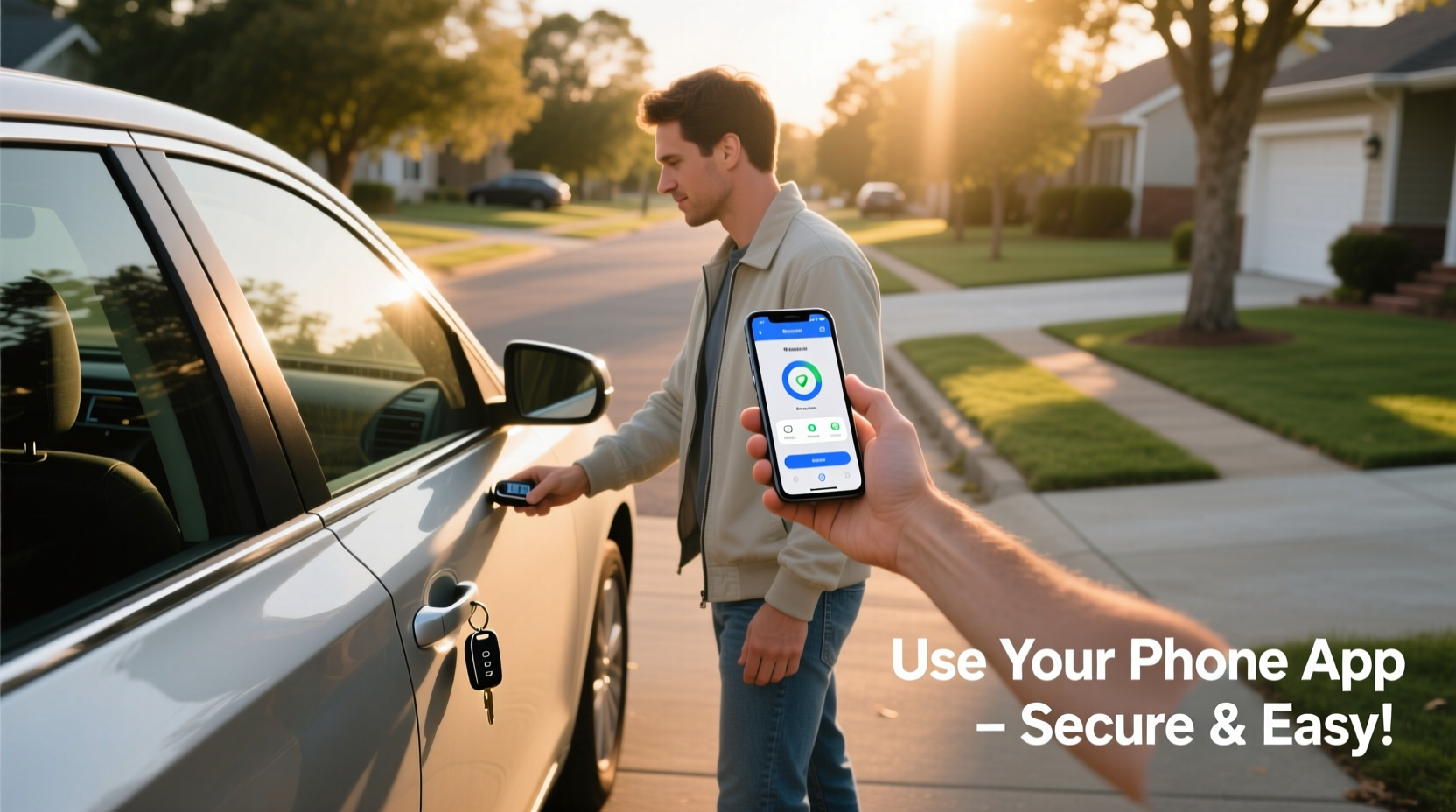
Newer vehicles come equipped with digital key features via smartphone apps. Brands like BMW, Hyundai, and Tesla allow owners to unlock their cars remotely through Bluetooth or cellular connections. If your phone is linked to your car’s system, this could be the fastest solution.
Even if you don’t have remote unlock, some systems send alerts when the key fob is left outside. Check your app for notifications or diagnostic messages. In certain cases, you can temporarily disable the lock via the manufacturer’s portal or customer support line.
DIY Methods: When—and How—to Attempt Them Safely
While professional help is ideal, there are rare situations where DIY might be necessary—such as being stranded in a remote area with no signal. These methods should only be attempted if you’re confident and the vehicle allows safe access.
Using a Tennis Ball (Myth vs. Reality)
A popular internet hack suggests cutting a hole in a tennis ball and pressing it against the lock to “force air” and pop the lock. This does not work on modern vehicles. The physics are flawed, and no credible evidence supports its effectiveness. Save the tennis ball for the court.
Shoelace Method (For Older Manual Locks)
On older cars with visible vertical lock rods inside the door, a looped shoelace can sometimes be used:
- Insert the loop between the window and door seal just above the door handle.
- Angle it down so it wraps around the lock rod.
- Gently pull upward to unlock the mechanism.
This only works on pre-2000 vehicles with simple mechanical locks and requires patience. It will not work on modern power-lock systems.
Inflatable Air Wedge + Coat Hanger (Advanced)
If you carry an emergency tool kit:
- Inflate a small rubber bladder between the window and frame to create a ½-inch gap.
- Insert a straightened coat hanger with a small hook bent at the end.
- Fishing for the unlock button or inner lock lever takes precision and luck.
Again, this carries risk. One slip can damage interior trim or disconnect wiring harnesses.
“Amateur attempts cause more repairable damage than actual lockouts.” — Dana Lopez, Auto Body Repair Specialist
Mini Case Study: Sarah’s Downtown Lockout
Sarah, a freelance designer, locked her 2021 Honda CR-V with the key fob in her bag—inside the car—while grabbing coffee downtown. She immediately called AAA through her mobile app. Within 12 minutes, a technician arrived and used an inflatable wedge and slim rod to press the unlock button through the driver’s side window. No damage was done, and Sarah was back on the road in under five minutes. She later set up a reminder on her phone to check for her keys before exiting the vehicle.
Her experience highlights the value of preparedness and relying on trained professionals instead of improvising with tools.
Prevention Checklist: Avoid Lockouts Before They Happen
Staying proactive is the best defense. Follow this checklist to reduce future risks:
- ✅ Keep a spare key in a secure, accessible location (e.g., lockbox or with a neighbor).
- ✅ Enroll in a roadside assistance program or verify your insurance coverage.
- ✅ Set up digital key access via your car manufacturer’s app.
- ✅ Install a key-finding device (like Tile or Apple AirTag) on your keychain.
- ✅ Develop a habit of checking for keys before closing all doors.
- ✅ Store emergency contacts in your phone under “ICE” (In Case of Emergency).
FAQ
Will calling a locksmith damage my car?
Not if you hire a licensed, experienced professional. Modern techniques prioritize non-invasive tools. Always ask about their method before they begin.
Can I unlock my car with a magnet?
No. Magnets cannot manipulate modern locking systems, which rely on electronic actuators or complex mechanical linkages unaffected by magnetic fields.
Is it legal for someone else to unlock my car?
Yes, as long as you own or legally operate the vehicle. Technicians typically require ID verification to prevent unauthorized access.
Conclusion
Getting locked out of your car doesn’t have to mean broken windows or expensive repairs. With the right knowledge and resources, you can regain access safely and efficiently. Whether it’s leveraging digital keys, contacting roadside assistance, or preparing in advance with spare keys and smart habits, the safest method is always the one that avoids unnecessary risk. Don’t wait for the next lockout to act—review your options today and equip yourself with peace of mind for the road ahead.




 浙公网安备
33010002000092号
浙公网安备
33010002000092号 浙B2-20120091-4
Comments
No comments yet. Why don't you start the discussion?