
Fiberglass showers are a common feature in many homes due to their affordability, versatility, and ease of installation. However, over time, they can accumulate soap scum, hard water stains, mildew, and surface scratches that dull their appearance. Unlike porcelain or tile, fiberglass is a softer material that requires careful cleaning to avoid etching, discoloration, or permanent damage. Using abrasive pads or strong chemicals may seem like a quick fix, but they often do more harm than good. The best way to clean a fiberglass shower lies in consistent maintenance, gentle products, and smart techniques that preserve the finish while restoring shine.
Understanding Fiberglass Shower Surfaces
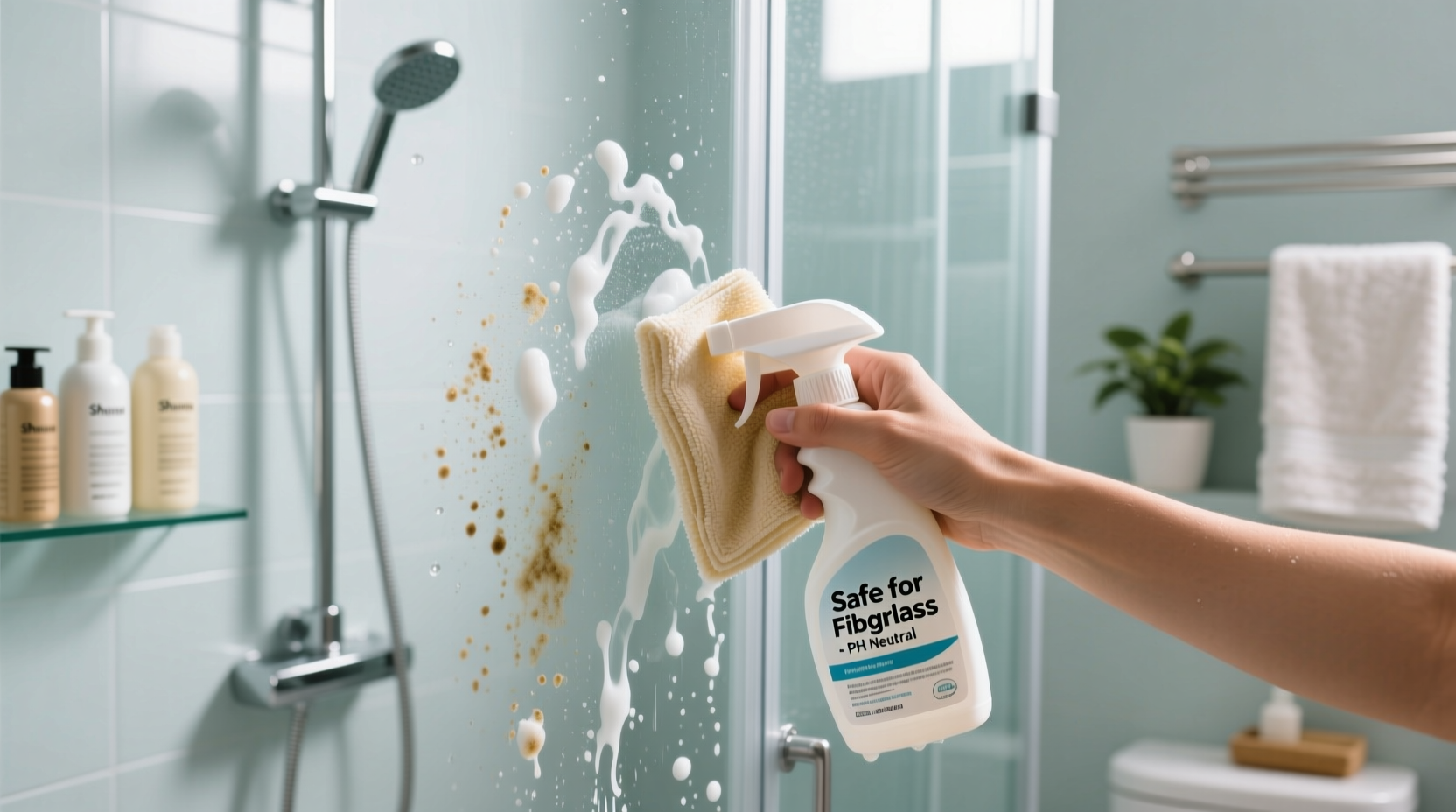
Fiberglass is a composite material made from layered resin and glass fibers. It’s molded into seamless units, making it popular for prefabricated shower stalls and tub surrounds. While durable under normal use, the gel coat finish on fiberglass is vulnerable to scratching, fading, and chemical degradation. Unlike enamel-coated steel or ceramic tile, fiberglass doesn’t tolerate high-abrasion scrubbing or acidic cleaners well. Once the surface is scratched, moisture can seep in, leading to mold growth beneath the finish and structural weakening over time.
The key to maintaining a fiberglass shower is prevention. Daily rinsing after use, using a squeegee, and ensuring proper ventilation reduce buildup and extend time between deep cleanings. But when grime does accumulate, knowing which cleaning methods are both effective and safe becomes essential.
“Fiberglass requires a balance between thorough cleaning and material preservation. Aggressive tools compromise the gel coat, which is much thinner than people realize.” — Dr. Linda Reeves, Materials Scientist, Building Durability Lab
Step-by-Step Guide: Safe Deep Cleaning Process
A thorough cleaning should be performed every 4–6 weeks, depending on usage. Follow this sequence to remove buildup without damaging the surface:
- Rinse the surface with warm water to loosen surface debris.
- Apply a non-abrasive cleaner such as a mixture of dish soap and warm water, or a commercial pH-neutral bathroom cleaner.
- Let sit for 5–10 minutes to break down soap scum and light mildew.
- Scrub gently using a soft microfiber cloth or sponge. Never use steel wool, scouring pads, or stiff brushes.
- Rinse thoroughly with clean water to remove all residue.
- Dry with a towel or use a squeegee to prevent water spots and mineral deposits.
- Ventilate the bathroom to speed drying and inhibit mold regrowth.
Safe and Effective Cleaning Solutions
Not all cleaners are suitable for fiberglass. The following solutions are proven to work without causing damage:
- Vinegar and water (1:1): Effective for mild soap scum and hard water stains. Spray, wait 10 minutes, then wipe gently. Avoid prolonged exposure as vinegar is mildly acidic.
- Baking soda paste: Mix baking soda with a small amount of water to form a thick paste. Apply to tough spots (like grout lines or corners), let sit for 5 minutes, then wipe with a damp cloth. This provides mild abrasion without scratching.
- Hydrogen peroxide (3%): A natural disinfectant that helps remove mildew. Apply directly to mold-prone areas, wait 10 minutes, then rinse. Safer than bleach for fiberglass.
- Dish soap and warm water: Ideal for routine cleaning. A few drops of liquid dish soap in a spray bottle with water creates an effective daily cleaner.
Avoid any product containing bleach, ammonia, or acid-based formulas (like lime removers). These can degrade the gel coat, cause yellowing, and weaken the surface over time.
Do’s and Don’ts: Fiberglass Shower Care Table
| Do’s | Don’ts |
|---|---|
| Use soft cloths or non-scratch sponges | Use steel wool, scrubbing pads, or abrasive powders |
| Clean regularly to prevent buildup | Wait until stains become severe before cleaning |
| Ventilate the bathroom during and after use | Allow standing water to dry naturally |
| Use pH-neutral or mild homemade cleaners | Use bleach, oven cleaner, or toilet bowl acid |
| Dry surfaces with a towel or squeegee | Leave wet surfaces unattended for hours |
Mini Case Study: Reviving a Neglected Fiberglass Shower
Sarah, a homeowner in Portland, Oregon, had avoided deep-cleaning her fiberglass shower for nearly a year due to time constraints. The stall developed a cloudy film, dark mildew lines along the base, and stubborn soap rings around the faucet. She initially tried a heavy-duty scrub with a magic eraser, which lightened the stains but left fine swirl marks on the surface.
After consulting a local handyman, she switched to a gentler approach: daily squeegeeing, weekly vinegar-water sprays, and monthly deep cleans using baking soda paste and hydrogen peroxide. Within two months, the cloudiness faded, the mildew disappeared, and the original gloss returned. Most importantly, the surface remained intact—no new scratches formed. Sarah now maintains her shower with just 10 minutes of care per week.
Preventing Mold and Mildew Buildup
Mold thrives in warm, damp environments—making showers a prime target. To prevent recurrence:
- Run an exhaust fan during and for 20 minutes after showering.
- Keep the bathroom door open when possible to improve airflow.
- Wipe down corners and seams weekly with a vinegar solution.
- Check caulking regularly; replace cracked or peeling caulk to prevent water intrusion.
If mildew returns frequently despite cleaning, consider installing a dehumidifier or upgrading your ventilation system. Persistent mold may indicate a hidden moisture problem behind the walls.
FAQ: Common Questions About Cleaning Fiberglass Showers
Can I use Comet or Soft Scrub on a fiberglass shower?
Some versions of Soft Scrub (the liquid gel without bleach) are safe if used occasionally and rinsed immediately. However, powdered cleansers like Comet are too abrasive and can scratch the surface. Always check labels for “non-abrasive” and “safe for acrylic/fiberglass” claims.
How do I remove yellowing from my fiberglass shower?
Yellowing is often caused by UV exposure, aging gel coat, or chemical damage. A diluted hydrogen peroxide solution applied weekly may help lighten discoloration. For severe cases, professional refinishing might be necessary. Avoid chlorine-based products, which worsen yellowing.
Is it safe to use a steam cleaner on fiberglass?
Yes, low-pressure steam cleaners can be effective for sanitizing and loosening grime. However, keep the nozzle at least 6 inches from the surface and move continuously to avoid heat warping or delamination. Do not use on visibly damaged or cracked areas.
Checklist: Monthly Fiberglass Shower Maintenance Routine
- ☐ Rinse walls and base after every use
- ☐ Squeegee or towel-dry glass and panels
- ☐ Wipe down with vinegar-water solution weekly
- ☐ Perform deep clean with baking soda paste monthly
- ☐ Inspect caulk and seals for cracks or mold
- ☐ Check ventilation and clean exhaust fan filter
- ☐ Reapply protective coating (optional, every 6 months)
For added protection, some homeowners apply a thin layer of automotive-grade polymer sealant every six months. This creates a hydrophobic barrier that repels water and reduces soap scum adherence—similar to treatments used on car paint.
Conclusion: Consistency Over Intensity
The best way to clean a fiberglass shower isn’t about finding the strongest cleaner or the harshest scrubber—it’s about consistency, gentleness, and preventive habits. Regular maintenance prevents the need for aggressive cleaning later, preserving both the appearance and lifespan of the unit. By choosing safe solutions, avoiding abrasives, and incorporating simple daily routines, you can keep your fiberglass shower looking bright, clean, and hygienic for years.




 浙公网安备
33010002000092号
浙公网安备
33010002000092号 浙B2-20120091-4
Comments
No comments yet. Why don't you start the discussion?