
Resin pendant keychains have become popular for their vibrant colors, intricate designs, and customizability. Whether they feature embedded flowers, glitter, or personalized artwork, these accessories are more than just functional—they're personal expressions. However, frequent handling, exposure to skin oils, dust, and environmental pollutants can dull their shine over time. Cleaning them improperly can lead to irreversible damage like cracking, hazing, or color fading. The good news is that with the right techniques, you can restore their luster safely and extend their lifespan.
Understanding Resin and Its Vulnerabilities
Epoxy resin, the most common material used in decorative pendants, is a synthetic polymer known for its clarity, durability, and glossy finish. When cured properly, it’s water-resistant and stable under normal conditions. However, it is not impervious to damage. Prolonged exposure to UV light can cause yellowing, especially in lower-quality resins. Harsh chemicals, abrasive materials, and extreme temperature changes can compromise the surface integrity, leading to microfractures or cloudiness.
Because resin pendants are often small and intricately detailed, cleaning requires precision. Dirt and oils tend to accumulate in crevices, making gentle yet thorough care essential. The goal is to remove grime without introducing stress to the material.
“Resin is durable but not indestructible. Treat it like fine jewelry—gentle cleaning preserves both appearance and structural integrity.” — Dr. Lena Tran, Polymer Materials Specialist
Step-by-Step Guide: Safe Cleaning Process
Cleaning a resin pendant keychain doesn’t require specialized equipment. With household items and careful handling, you can achieve professional-level results. Follow this step-by-step method to ensure safety and effectiveness.
- Remove the Pendant from the Keyring: If possible, detach the pendant to avoid exposing metal parts (like jump rings or clasps) to moisture or cleaning agents that might cause tarnishing.
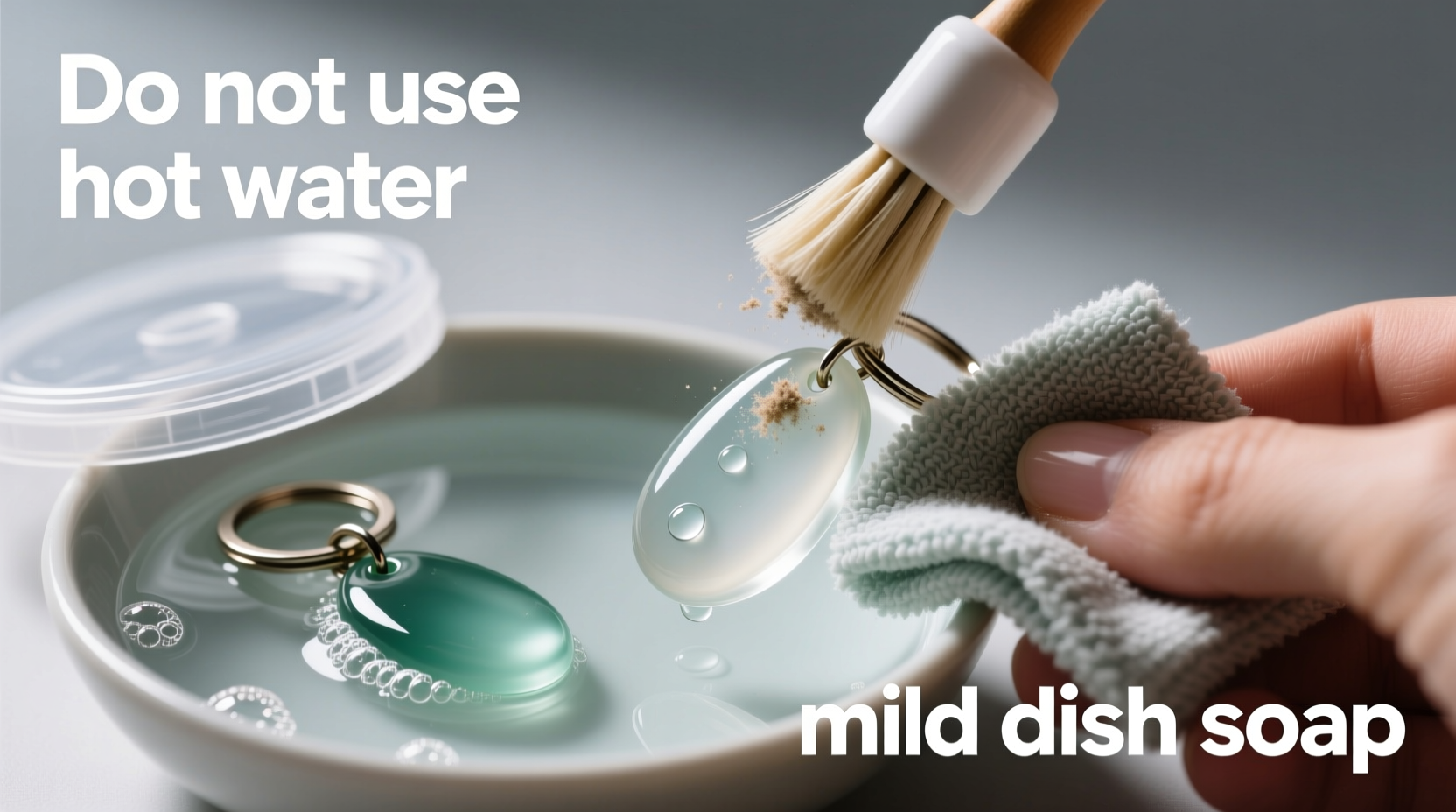
- Rinse Under Lukewarm Water: Hold the pendant under a gentle stream of lukewarm water to loosen surface debris. Never use hot water—it can create thermal shock and lead to cracking.
- Prepare a Mild Soap Solution: Mix a few drops of mild dish soap (free of dyes and degreasers) into a bowl of lukewarm water.
- Soak for 5–10 Minutes: Submerge the pendant to allow dirt to soften. Avoid extended soaking beyond 15 minutes to prevent moisture seepage at connection points.
- Use a Soft-Bristled Brush: Gently scrub the surface and edges with a soft toothbrush or makeup brush. Pay attention to textured areas where grime collects.
Rinse Thoroughly: Ensure all soap residue is washed away, as leftover suds can leave streaks or a filmy layer.- Air-Dry on a Lint-Free Cloth: Place the pendant on a microfiber towel in a shaded area. Do not rub or wipe vigorously—allow it to dry naturally to prevent micro-scratches.
- Buff Lightly (Optional): Once completely dry, use a clean, dry microfiber cloth to gently buff the surface for added shine.
Do’s and Don’ts: Best Practices Summary
| Do’s | Don’ts |
|---|---|
| Use lukewarm water and mild soap | Use hot or cold water extremes |
| Clean monthly for regular maintenance | Soak for hours or overnight |
| Use soft brushes for detailing | Scrub with rough sponges or toothpicks |
| Dry naturally in indirect sunlight | Expose to direct sun while wet (can warp or yellow) |
| Store in padded containers when not in use | Leave in humid environments like bathrooms |
Maintaining Long-Term Clarity and Shine
Regular cleaning is only part of the equation. Preventative care plays a crucial role in preserving the optical clarity of resin pendants. Fingerprints and skin oils are the primary culprits behind gradual dullness. To minimize buildup, handle your keychain by the metal chain or ring rather than touching the resin surface directly.
For pendants worn daily, a quick wipe with a dry microfiber cloth once a week can significantly reduce residue accumulation. If the pendant appears slightly hazy after drying, avoid commercial polishes. Instead, re-wash using distilled water—tap water minerals can contribute to film formation.
For deeper restoration, some artisans recommend a paste made from baking soda and water (two parts water to one part baking soda). Apply sparingly with a cotton swab, gently rub in circular motions, then rinse immediately. This method should be used no more than once every six months, as even mild abrasives can wear down the surface over time.
Real Example: Reviving a Cloudy Resin Keychain
Sophie, a teacher in Portland, received a custom resin pendant keychain with her pet’s photo embedded inside. After six months of daily use, the surface became cloudy and lost its vibrancy. She initially tried wiping it with a hand sanitizer wipe, which worsened the haze. Following proper guidance, she soaked the pendant in lukewarm soapy water for seven minutes, gently brushed it with a baby toothbrush, and air-dried it indoors. The result was a dramatic improvement—colors appeared brighter, and the gloss was restored. Sophie now cleans her pendant every four weeks and stores it in a fabric-lined box when traveling.
Checklist: Monthly Maintenance Routine
- ☐ Detach pendant from keys if possible
- ☐ Rinse under lukewarm water
- ☐ Soak in mild soap solution (5–10 min)
- ☐ Gently brush all surfaces
- ☐ Rinse thoroughly until water runs clear
- ☐ Pat dry with microfiber cloth and air-dry completely
- ☐ Inspect for any chips or loose fittings
- ☐ Store in a dry, cool place away from direct sunlight
Frequently Asked Questions
Can I use alcohol or hand sanitizer to clean my resin pendant?
No. Alcohol-based products, including hand sanitizers and wipes, can strip the surface gloss and cause micro-cracking over time. They may also react with pigments or embedded materials, leading to discoloration.
Why did my resin pendant turn white after cleaning?
A white or milky appearance usually indicates trapped moisture or surface etching from harsh cleaners. If the cloudiness persists after drying, it may be due to internal delamination—especially in lower-grade resins. Always avoid ammonia, bleach, and acetone.
How can I protect my resin pendant from UV damage?
Limited sun exposure won’t cause immediate harm, but prolonged UV contact accelerates yellowing. Choose pendants made with UV-stabilized resin when purchasing. For existing pieces, store them in opaque pouches when not in use, especially during summer months.
Final Thoughts: Care That Honors Craftsmanship
Resin pendant keychains blend artistry with utility, often holding sentimental or aesthetic value. Treating them with mindful care ensures they remain vivid and intact for years. The methods outlined here emphasize gentleness, consistency, and respect for material limits. By avoiding shortcuts like chemical wipes or aggressive scrubbing, you preserve not just appearance but the integrity of the piece itself.




 浙公网安备
33010002000092号
浙公网安备
33010002000092号 浙B2-20120091-4
Comments
No comments yet. Why don't you start the discussion?