
Disney Trendy Treasure LEGO sets are more than just building toys—they’re collectible items that blend pop culture, design, and nostalgia. Whether displayed on shelves or occasionally played with, these pieces can accumulate dust, fingerprints, and grime over time. Cleaning them improperly, however, risks fading prints, warping plastic, or damaging delicate elements like stickers and metallic finishes. The key is using gentle, precise methods that maintain structural integrity while restoring their original luster. This guide outlines proven cleaning strategies that prioritize safety, effectiveness, and long-term preservation.
Understanding Your LEGO Pieces
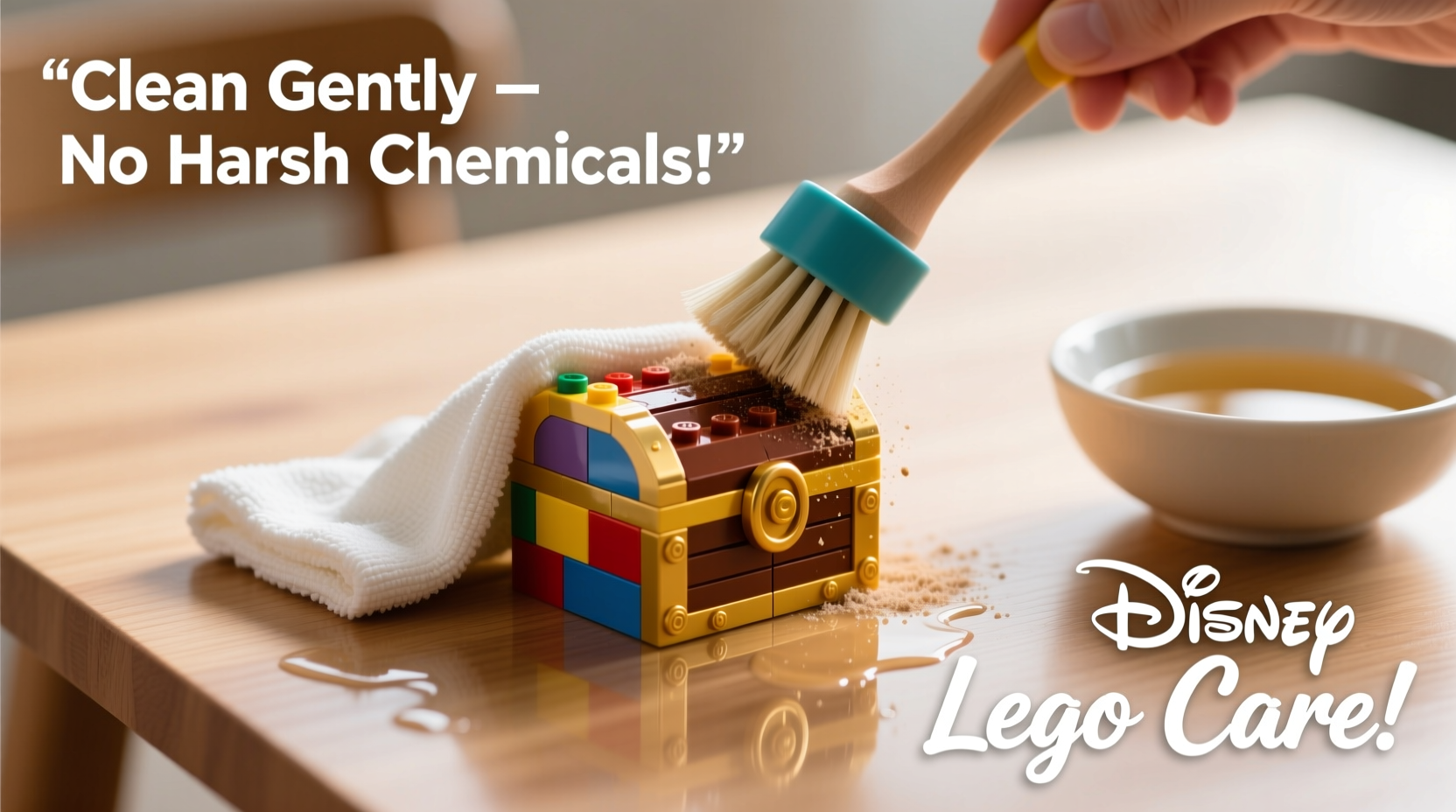
Disney Trendy Treasure LEGO sets often include specialty components such as printed tiles, translucent elements, chrome-finish bricks, and small decorative accessories. These materials react differently to moisture, friction, and chemicals compared to standard LEGO bricks. For example, solvent-based cleaners can dissolve ink on printed parts, while excessive heat may warp thin or curved pieces. Recognizing the composition of your set ensures you apply only compatible cleaning techniques.
Most LEGO bricks are made from acrylonitrile butadiene styrene (ABS), a durable thermoplastic known for its resistance to impact and wear. However, surface treatments—like those used in limited-edition Disney collaborations—are often applied through pad printing or water transfer, making them vulnerable to abrasion. Before any cleaning process, inspect each piece under good lighting to identify fragile areas, especially around character faces, logos, or glitter effects.
“Collectible LEGO sets require museum-level care. Even minor scratches or chemical exposure can reduce resale value significantly.” — Daniel Reeves, Toy Preservation Specialist at Modern Brick Archive
Step-by-Step Guide: Safe Hand Cleaning Process
Cleaning individual LEGO pieces by hand offers the highest level of control, minimizing risk to sensitive surfaces. Follow this detailed procedure to ensure thorough yet gentle results.
- Disassemble Completely: Separate all bricks, plates, and decorative elements. Remove stickers if they are loose, but avoid peeling firmly attached ones.
- Sort by Material Type: Group clear pieces, printed tiles, chrome bricks, and standard ABS separately to tailor cleaning intensity.
- Prepare Cleaning Solution: Mix one teaspoon of mild dish soap (free of dyes and degreasers) into one liter of lukewarm water. Never use hot water—it can cause warping.
- Soak Gently: Submerge non-electronic, non-stickered parts for 5–10 minutes. Avoid prolonged soaking for printed pieces (limit to 3 minutes).
- Clean with Soft Tools: Use a soft-bristled toothbrush or microfiber cloth to lightly scrub surfaces. Focus on seams and undersides where dirt collects.
- Rinse Thoroughly: Hold pieces under cool running water to remove all soap residue. Do not stack wet bricks during rinsing.
- Dry Properly: Lay pieces flat on a lint-free towel in a dust-free area. Allow air drying for at least 4–6 hours. Do not use heat sources like hairdryers.
Do’s and Don’ts: Best Practices Table
| Do’s | Don’ts |
|---|---|
| Use pH-neutral dish soap | Use bleach, vinegar, or alcohol-based cleaners |
| Hand wash with lukewarm water | Put LEGO in dishwasher or washing machine |
| Dry flat on a clean towel | Expose to direct sunlight or heaters |
| Brush gently with soft tools | Scrub printed surfaces with abrasive pads |
| Store in sealed display cases after cleaning | Stack damp pieces together |
Real Example: Restoring a Vintage Mickey Mouse LEGO Figure
A collector in Portland owned a rare Mickey Mouse LEGO minifigure from an early Disney collaboration series. Over time, the red paint on the gloves had dulled, and fingerprints obscured the facial print. Attempting a quick wipe with a disinfectant wipe caused slight smudging—an irreversible mistake. The collector then consulted a preservation group and followed the hand-cleaning method outlined above. Using distilled water and a single drop of Dawn Free & Gentle detergent, they soaked the torso and head for three minutes, then brushed edges with a makeup sponge. After 24 hours of air drying, the figure regained clarity without further damage. This case underscores the importance of patience and correct product selection—even experienced collectors can make errors when rushing.
Alternative Method: Dry Cleaning for Display-Only Sets
For fully assembled models intended solely for display, immersion cleaning isn’t practical. Instead, dry cleaning preserves both structure and finish. Begin by using a can of compressed air to blow dust from crevices. Hold the nozzle at least 10 cm away to prevent force damage. Next, lightly pass a slightly damp microfiber cloth over visible surfaces, immediately following with a dry section to absorb moisture. For stubborn spots, dip a cotton swab in distilled water, wring it thoroughly, and dab—not rub—the affected area. This method avoids disassembly while still improving appearance.
Checklist: Pre-Cleaning Preparation
- ✔️ Identify all specialty parts (printed, chrome, transparent)
- ✔️ Gather supplies: mild soap, microfiber cloths, soft brush, towel, container
- ✔️ Disassemble set completely
- ✔️ Test cleaning method on one inconspicuous brick first
- ✔️ Work in a clean, well-lit space to avoid losing small pieces
- ✔️ Keep pets and children away during cleaning to prevent accidental damage
Frequently Asked Questions
Can I use baby wipes to clean my LEGO bricks?
No. Most baby wipes contain citric acid, alcohol, or fragrances that can degrade ABS plastic over time and smear printed designs. While convenient, they pose long-term risks even if short-term results seem acceptable.
Is it safe to put LEGO in the dishwasher?
Not recommended, especially for collectible or printed pieces. Dishwashers expose bricks to high heat and strong detergents, increasing the likelihood of warping, fading, and joint loosening. Hand washing remains the safest option for valuable sets.
How often should I clean my Disney Trendy Treasure LEGO collection?
For display-only sets, light dusting every month and detailed cleaning every 12–18 months is sufficient. Frequently handled sets may need gentle cleaning every 6 months. Always assess condition before proceeding—over-cleaning increases wear.
Final Recommendations for Long-Term Care
Maintaining the condition of your Disney Trendy Treasure LEGO blocks goes beyond occasional cleaning. Store them in UV-protected display cases to prevent yellowing from sunlight. Use desiccant packs in storage containers to reduce humidity, which can encourage mold growth on neglected pieces. When handling, wash and dry your hands first to minimize oil transfer. These habits, combined with proper cleaning techniques, ensure your collection remains vibrant and structurally sound for years.
“The best preservation strategy is prevention. A little routine care now saves irreversible damage later.” — Dr. Lena Park, Conservator at National Toy & Model Institute




 浙公网安备
33010002000092号
浙公网安备
33010002000092号 浙B2-20120091-4
Comments
No comments yet. Why don't you start the discussion?