
The ear is a self-cleaning organ designed to manage wax buildup naturally. Yet, many people still reach for cotton swabs, unaware that they can push wax deeper, damage the eardrum, or cause infections. The American Academy of Otolaryngology–Head and Neck Surgery advises against inserting any object into the ear canal. Fortunately, several safe and effective alternatives exist to maintain ear hygiene without risking injury.
Why You Should Avoid Cotton Swabs
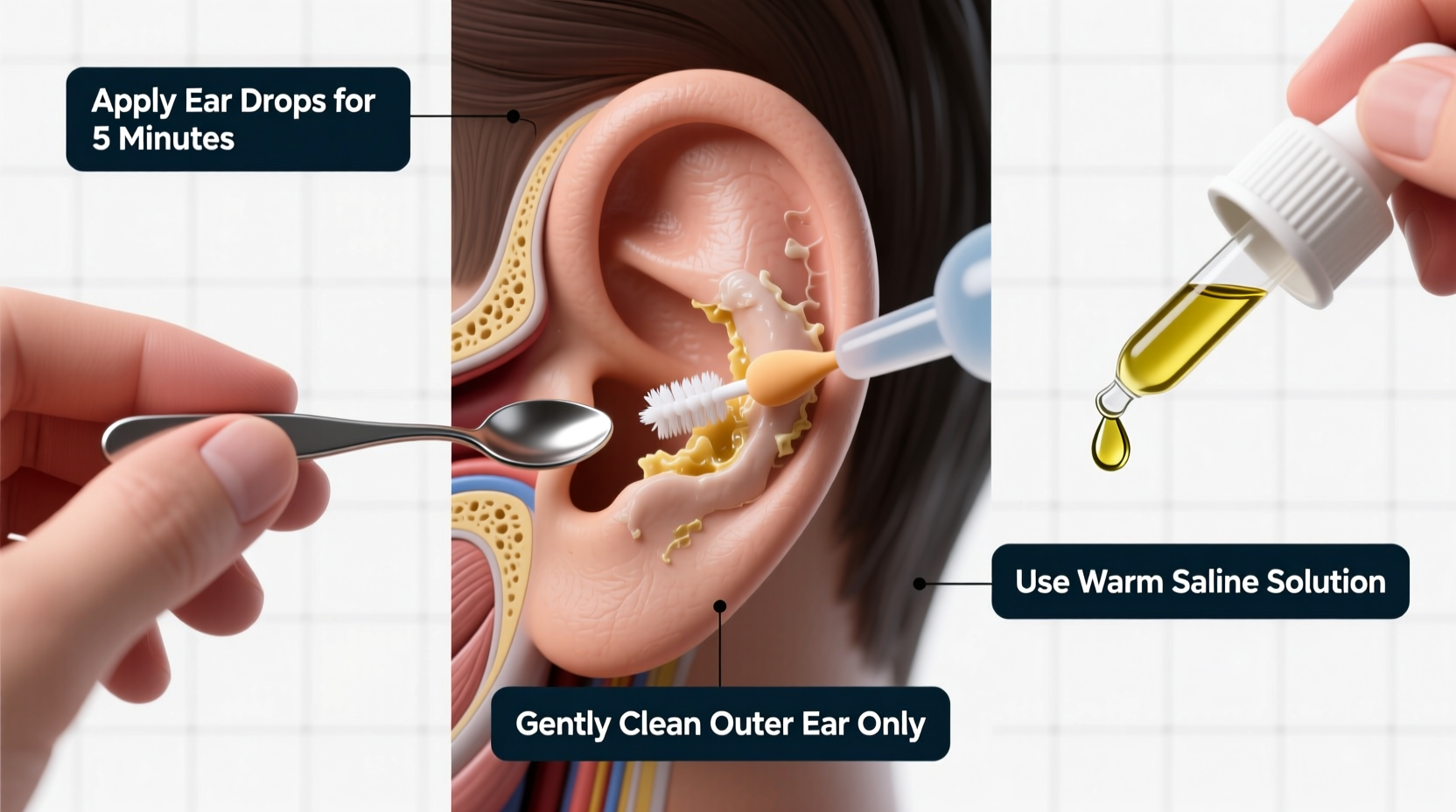
Cotton swabs are among the most common tools used for ear cleaning, but they are also one of the most dangerous. When inserted into the ear canal, they often push earwax (cerumen) further inward instead of removing it. This can lead to impaction, discomfort, hearing loss, tinnitus, or even perforation of the eardrum.
Earwax serves a protective function—it traps dust, bacteria, and foreign particles while lubricating the skin inside the ear canal. Removing it entirely disrupts this natural defense system. The ear typically expels excess wax on its own through jaw movements like chewing and talking.
Safe and Effective Cleaning Methods
When cleaning your ears, the goal should be gentle hygiene—not deep removal of wax from inside the canal. Here are proven, medically supported techniques that prioritize safety and effectiveness.
1. Warm Water During Showers
One of the simplest and safest ways to clean your ears is by allowing warm water to enter the ear canal during a shower. Tilt your head so that one ear faces the spray, let the water flow in gently, then tilt the head in the opposite direction to drain. This helps loosen soft wax near the opening of the ear.
2. Earwax Softening Drops
Over-the-counter ear drops containing ingredients like carbamide peroxide, mineral oil, glycerin, or hydrogen peroxide can soften hardened wax. These solutions break down the wax over a few days, allowing it to exit naturally.
Apply 3–5 drops into the affected ear twice daily for up to four days. Lie on your side for a few minutes after application to ensure proper penetration. Always follow label instructions and discontinue use if irritation occurs.
3. Manual Irrigation with a Bulb Syringe
This method involves gently flushing the ear canal with lukewarm water using a rubber bulb syringe. It’s effective for removing softened wax but must be done carefully.
- Use ear drops for 2–3 days to soften the wax.
- Fill a bulb syringe with lukewarm (not hot) water.
- Tilt your head and gently pull the outer ear upward and backward to straighten the canal.
- Aim the stream slightly upward and backward—never directly at the eardrum.
- Gently squeeze the bulb to release a slow stream of water.
- Tilt your head to allow drainage onto a towel.
4. Professional Earwax Removal
For persistent or impacted wax, seeing a healthcare provider is the safest option. Doctors may use specialized tools such as curettes (small looped instruments), suction devices, or professional irrigation systems. These procedures are quick, painless, and highly effective.
“Patients often don’t realize how much better they can hear once impacted wax is removed safely by a professional.” — Dr. Lena Patel, Board-Certified Otolaryngologist
Do’s and Don’ts of Ear Care
| Do’s | Don’ts |
|---|---|
| Wipe the outer ear with a damp cloth after bathing | Insert cotton swabs, fingers, or sharp objects into the ear canal |
| Use FDA-approved ear drops for wax softening | Use ear candles—they are ineffective and pose burn risks |
| Seek medical help for hearing changes or ear fullness | Irrigate ears if you’ve had past eardrum issues |
| Chew gum or move your jaw to encourage natural wax migration | Ignore signs of infection like pain, discharge, or fever |
Real-Life Example: A Common Mistake and Its Resolution
Mark, a 38-year-old office worker, experienced gradual hearing loss in his right ear over two weeks. He frequently used cotton swabs after showers, believing he was keeping his ears clean. When sounds became muffled and he developed a feeling of fullness, he visited an ENT specialist. Examination revealed a dense earwax impaction pushed deep into the canal by repeated swabbing.
The doctor performed a micro-suction procedure to remove the blockage. Within minutes, Mark’s hearing returned to normal. He was advised to stop using swabs and instead use weekly mineral oil drops to prevent recurrence. Since then, he has adopted safer habits and no longer experiences discomfort.
Step-by-Step Weekly Ear Maintenance Routine
Adopting a consistent, non-invasive routine supports long-term ear health. Follow this simple weekly plan:
- Day 1: Apply 3–5 drops of glycerin or mineral oil into each ear before bed.
- Day 2–3: Repeat nightly applications to continue softening any accumulating wax.
- Day 4: During a warm shower, allow water to gently enter and flush the outer canal. Tilt head side to side for drainage.
- Day 5–7: Monitor for symptoms like fullness or hearing changes. If issues persist beyond a week, consult a healthcare provider.
Frequently Asked Questions
Can I clean my ears every day?
No, daily cleaning—especially with invasive tools—is unnecessary and harmful. The ears clean themselves. Overcleaning removes protective wax and irritates the delicate skin of the ear canal, increasing infection risk. Gentle external wiping during showers is sufficient for most people.
Are ear candles safe?
No. Ear candling involves placing a lit, hollow candle into the ear, claiming it creates suction to draw out wax. However, studies show no evidence of effectiveness, and the practice poses serious risks including burns, ear canal obstruction from wax drippings, and eardrum damage. The FDA has issued warnings against their use.
How do I know if I have too much earwax?
Symptoms of excessive or impacted earwax include earache, a sense of fullness, tinnitus (ringing), dizziness, or temporary hearing loss. If you experience these, avoid self-treatment with sharp tools and consult a doctor. Often, professional removal resolves symptoms immediately.
Final Thoughts and Call to Action
Your ears are built to stay clean with minimal intervention. Resisting the urge to insert cotton swabs or other objects is one of the best things you can do for your hearing health. By embracing safe practices—like using softening drops, gentle irrigation, and seeking professional care when needed—you protect your ears from preventable harm.
Start today: throw away the cotton swabs, adopt a gentle hygiene routine, and educate others about safer alternatives. Your hearing is precious—treat it with care.




 浙公网安备
33010002000092号
浙公网安备
33010002000092号 浙B2-20120091-4
Comments
No comments yet. Why don't you start the discussion?