
Silicone iPhone cases are popular for their flexibility, shock absorption, and sleek appearance. However, over time, they accumulate dirt, oils, sweat, and even bacteria from daily use. What starts as a clear or lightly tinted case can quickly turn yellow, sticky, or grimy—especially around the edges and ports. While replacing the case is an option, regular deep cleaning can restore its look, improve hygiene, and extend its lifespan significantly.
The good news? You don’t need specialized products or expensive tools. With simple household ingredients and a few careful techniques, you can safely deep clean your silicone case at home. This guide walks you through proven methods, dos and don’ts, and practical tips to keep your case looking fresh—without compromising its integrity.
Why Your Silicone Case Gets Dirty (And Why It Matters)
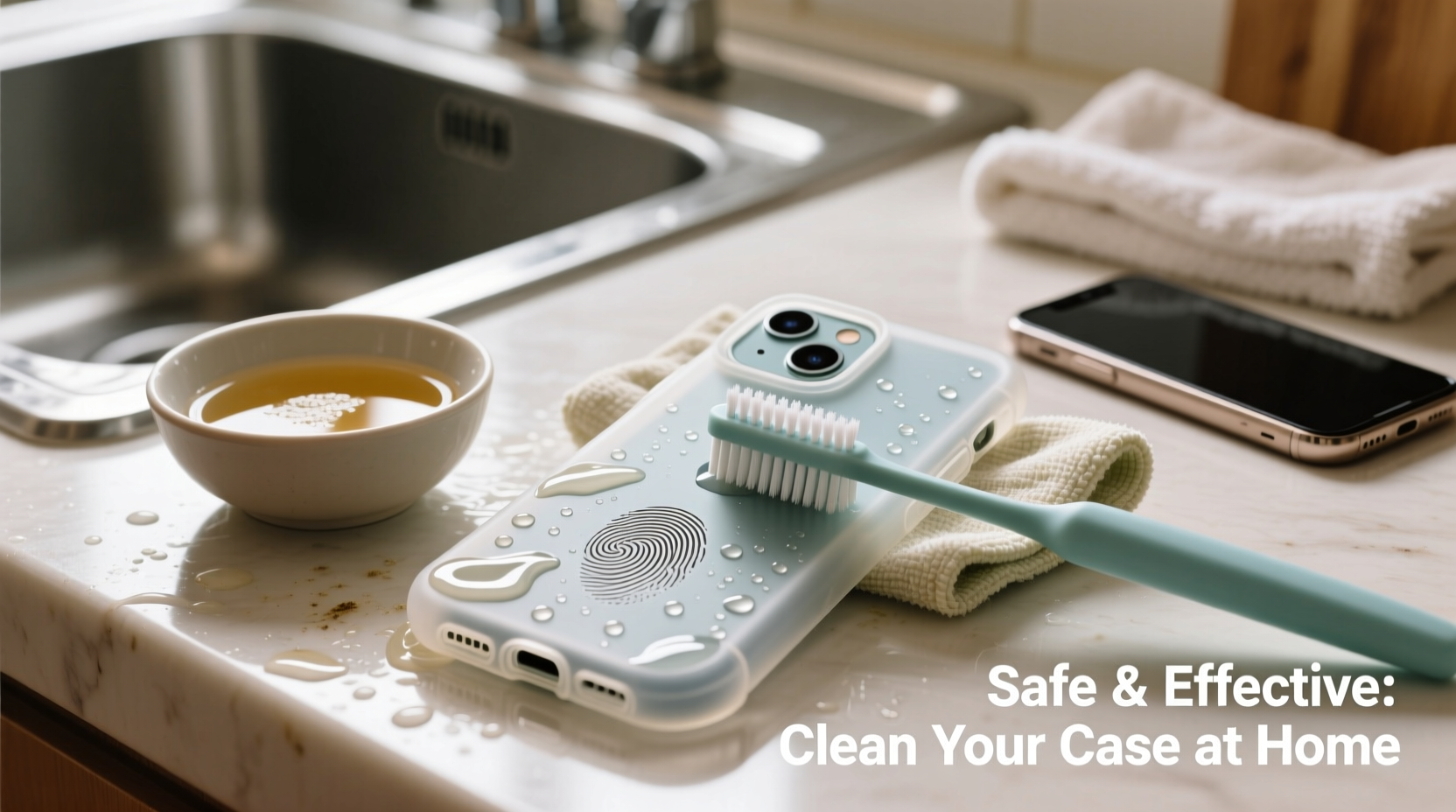
Silicone is naturally non-porous, which makes it resistant to moisture and bacteria buildup compared to fabric or leather. But it’s not immune. The surface attracts dust and skin oils, especially when handled frequently. Over time, exposure to UV light, heat, and airborne pollutants causes oxidation, leading to discoloration—most commonly a yellow or brown tint.
Additionally, many third-party silicone cases contain plasticizers or softening agents that can degrade and become tacky with age. This stickiness traps more grime, creating a cycle of buildup. From a hygiene standpoint, studies have shown that phone cases can harbor more bacteria than a toilet seat, including E. coli and Staphylococcus aureus.
“Regular cleaning of high-touch surfaces like phone cases is essential for reducing microbial load in personal environments.” — Dr. Lena Patel, Microbiologist & Public Health Researcher
Step-by-Step Guide: How to Deep Clean Your Silicone iPhone Case Safely
Cleaning your silicone case doesn’t require harsh chemicals. In fact, aggressive cleaners can accelerate degradation. Follow this detailed process to ensure a thorough yet gentle clean:
- Remove the case from your iPhone. Power down your device first and gently slide the case off. Inspect the inside and outside for debris, especially around camera cutouts and charging ports.
- Rinse under lukewarm water. Hold the case under running water to wash away loose dirt. Avoid hot water, which can warp thin silicone edges or weaken adhesives if present.
- Create a mild cleaning solution. Mix a few drops of dish soap with warm water in a small bowl. Alternatively, use a 1:1 solution of water and white vinegar for natural disinfecting.
- Scrub gently with a soft-bristled brush. Use a clean toothbrush or detailing brush to reach crevices. Focus on corners, button covers, and port openings where grime collects. Never use metal brushes or abrasive pads.
- Soak for stubborn stains (optional). For discolored or sticky cases, soak in the soapy solution for 10–15 minutes. For deeper sanitization, add one teaspoon of baking soda to enhance cleaning power.
- Rinse thoroughly. Ensure no soap or vinegar residue remains, as this can leave a film or cause irritation upon contact with skin.
- Air dry completely. Place the case on a clean towel in a well-ventilated area, away from direct sunlight or heat sources. Do not use a hairdryer or place near radiators—this can warp or crack the silicone.
- Inspect before reattaching. Once dry, check for any lingering stickiness or haze. If needed, repeat the process or try alternative methods below.
Alternative Cleaning Methods for Tough Buildup
If standard washing isn’t enough—especially for older, yellowed, or sticky cases—try these safe alternative approaches:
Hydrogen Peroxide Soak (For Disinfection & Whitening)
Mix equal parts 3% hydrogen peroxide and water. Submerge the case for 30–60 minutes. Hydrogen peroxide acts as a mild bleach and powerful germ killer without damaging silicone. Rinse and dry thoroughly afterward.
Baking Soda Paste (For Scrubbing Sticky Residue)
Mix two tablespoons of baking soda with a few drops of water to form a thick paste. Apply with a soft cloth or brush to areas with sticky buildup. Gently scrub in circular motions, then rinse. Baking soda is mildly abrasive but safe for silicone when used carefully.
Isopropyl Alcohol Wipe (For Quick Sanitizing)
Dampen a microfiber cloth with 70% isopropyl alcohol and wipe both sides of the case. Effective for killing germs between deep cleans. Avoid soaking the case, as prolonged alcohol exposure may dry out silicone over time.
Do’s and Don’ts of Silicone Case Care
| Do | Don't |
|---|---|
| Use mild dish soap and lukewarm water regularly | Use bleach or ammonia-based cleaners |
| Scrub with soft-bristled brushes | Use steel wool or abrasive sponges |
| Air dry in shaded, ventilated areas | Leave in direct sunlight or near heaters |
| Sanitize weekly with alcohol wipes | Soak in alcohol for extended periods |
| Store in a clean pouch when not in use | Leave in pockets or bags with keys/coins that scratch |
Real Example: Reviving a Year-Old Sticky Case
Jamie had used the same transparent silicone case for nearly 14 months. Initially clear, it had turned yellowish and developed a gummy texture along the edges. After trying a quick soap-and-water rinse with little improvement, she followed the hydrogen peroxide soak method. She mixed half a cup of 3% hydrogen peroxide with an equal amount of water and soaked the case overnight in a sealed container.
The next morning, the discoloration was visibly reduced. A gentle scrub with a baking soda paste removed the remaining stickiness. After rinsing and air-drying for six hours, the case looked almost new. Jamie now cleans it every three weeks and stores it in a breathable cotton pouch when switching phones.
Frequently Asked Questions
Can I put my silicone case in the dishwasher?
No. Dishwashers expose silicone to high heat and strong detergents that can warp the shape, degrade softeners, and accelerate yellowing. Hand washing is always safer and more effective.
Why does my clear case turn yellow?
Yellowing is caused by oxidation from UV exposure, heat, and skin oils. Some lower-quality silicones contain additives that break down faster. Regular cleaning and avoiding prolonged sun exposure can slow this process.
How often should I deep clean my silicone case?
Every 2–4 weeks is ideal for heavy users. Light users can go up to six weeks. A quick wipe-down with a damp cloth should be done weekly to prevent buildup.
- ☐ Remove case from iPhone
- ☐ Rinse under lukewarm water
- ☐ Scrub with soapy water and soft brush
- ☐ Soak in hydrogen peroxide (if discolored)
- ☐ Rinse thoroughly
- ☐ Air dry completely (minimum 4–6 hours)
- ☐ Reattach only when fully dry
Conclusion: Keep Your Case Clean, Your Phone Protected
A clean silicone iPhone case isn’t just about aesthetics—it’s about hygiene, functionality, and longevity. By incorporating safe, routine cleaning practices into your habits, you protect not only your device but also yourself from unseen germs. The methods outlined here are accessible, cost-effective, and backed by material science principles.
Whether you're dealing with a slightly cloudy case or a long-neglected sticky shell, restoration is possible with patience and the right approach. Start today: remove your case, give it a proper clean, and feel the difference a fresh, sanitized surface makes.




 浙公网安备
33010002000092号
浙公网安备
33010002000092号 浙B2-20120091-4
Comments
No comments yet. Why don't you start the discussion?