
At 37 weeks, a pregnancy is considered full-term, and the baby is generally developed enough for birth. While many women wait for labor to begin spontaneously, some consider natural methods to encourage the process—especially if discomfort increases or there’s a desire to avoid going past the due date. However, any attempt to induce labor should prioritize safety, be discussed with a healthcare provider, and respect the body’s readiness. Not all “natural” methods are risk-free, and timing matters significantly.
This guide explores evidence-based, low-risk approaches that may help initiate labor when medically appropriate. These strategies focus on stimulating the body’s natural hormonal responses, encouraging cervical changes, and preparing the pelvis for delivery—all while minimizing unnecessary risks.
Understanding Labor Readiness at 37 Weeks
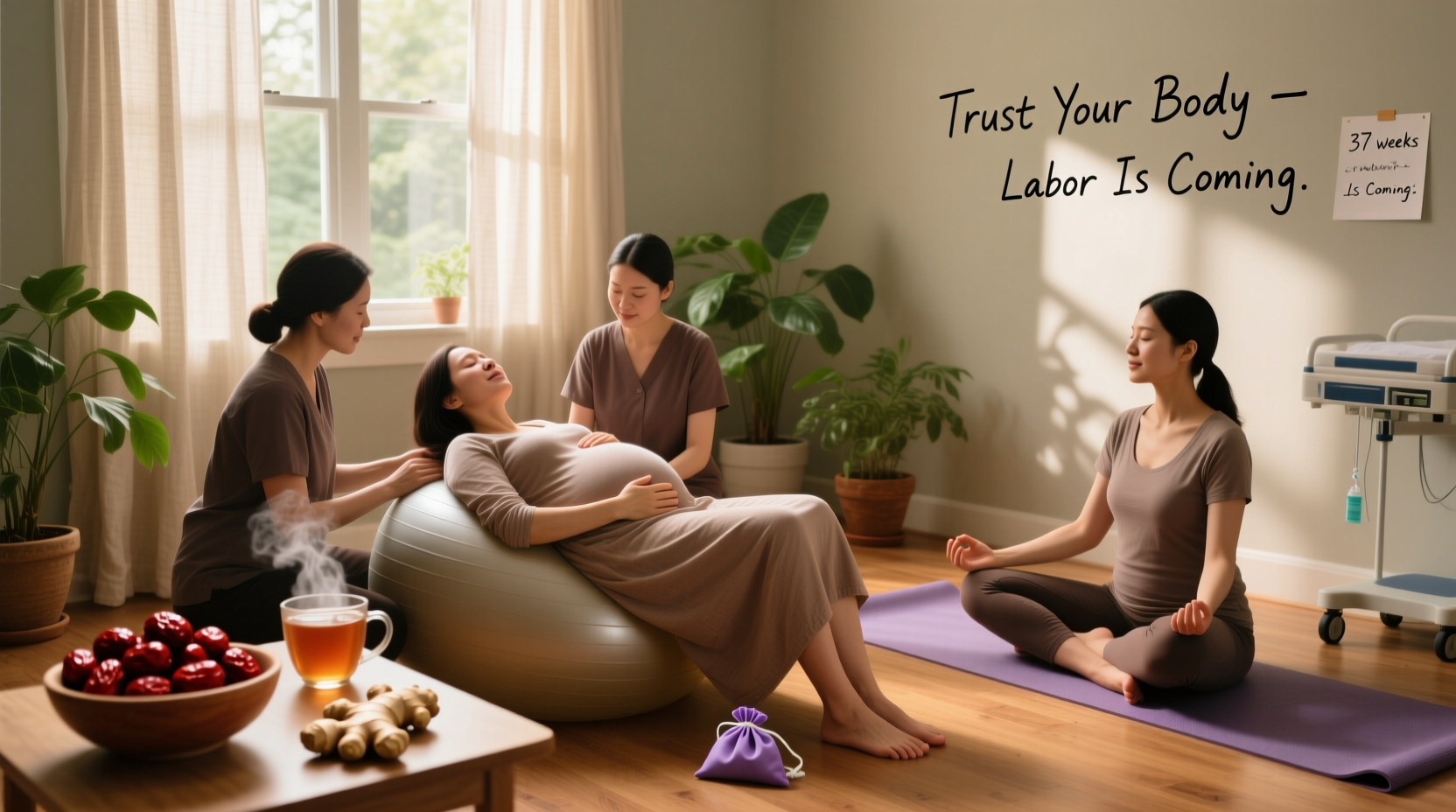
Although 37 weeks marks the beginning of full-term pregnancy, it's important to recognize that every woman and every pregnancy is different. The uterus, cervix, and hormonal systems must be ready for labor to progress smoothly. Premature attempts to induce labor can lead to ineffective contractions, prolonged labor, or even the need for medical intervention.
The body typically prepares for labor through a series of subtle changes: softening and thinning of the cervix (effacement), slight dilation, and the baby settling into the pelvis (lightening). These signs indicate that the body is moving toward spontaneous labor. Interventions—natural or medical—work best when these physiological changes have already begun.
“Induction should never be rushed. Even at 37 weeks, the baby continues to mature rapidly, particularly in lung and brain development.” — Dr. Lena Reyes, OB-GYN and Maternal Health Specialist
Safe Natural Methods Backed by Evidence
While no natural method guarantees labor onset, several have shown modest effectiveness in clinical observations and small-scale studies. These techniques work by promoting oxytocin release, stimulating prostaglandins, or encouraging mechanical dilation.
Nipple Stimulation
Gentle stimulation of the nipples triggers the release of oxytocin, the hormone responsible for uterine contractions. This method mimics the natural feedback loop seen during breastfeeding.
- Spend 15 minutes every hour gently rolling or massaging one nipple at a time.
- Stop if contractions become too frequent (more than every 3 minutes) or last longer than 90 seconds.
- Always perform this method while lying down and hydrated.
Walking and Light Physical Activity
Gravity-assisted movement helps position the baby deeper into the pelvis, increasing pressure on the cervix. This pressure can stimulate the release of prostaglandins, which aid in cervical ripening.
Walking for 20–30 minutes daily, especially on uneven terrain or gentle inclines, encourages rhythmic pelvic motion. Other beneficial activities include swaying hips, stair climbing, and prenatal yoga poses like cat-cow and supported squats.
Sexual Intercourse
Semen contains natural prostaglandins, which may help soften the cervix. Additionally, orgasm induces mild uterine contractions through oxytocin release. While not a guaranteed trigger, intercourse is one of the most commonly reported natural methods associated with labor onset.
Note: Avoid this method if your water has broken, you have placenta previa, or your provider has advised against it.
Raspberry Leaf Tea
Raspberry leaf has been traditionally used to tone the uterine muscles and support labor efficiency. Though not a direct inducer, regular consumption in late pregnancy may promote stronger, more coordinated contractions when labor begins.
Limit intake to 1–2 cups per day starting at 32 weeks. Excessive amounts may cause overly strong contractions.
What to Avoid: Common Myths and Risks
Many popular remedies lack scientific support and may pose health risks. At 37 weeks, fetal well-being remains paramount, and aggressive attempts to induce labor can backfire.
| Method | Do? | Don’t? | Why |
|---|---|---|---|
| Pineapple core (bromelain) | No | Avoid | Bromelain is destroyed by digestion; large quantities may cause gastrointestinal distress. |
| Castor oil | No | Avoid | Causes severe diarrhea, dehydration, and irregular contractions; linked to meconium passage. |
| Essential oils (clary sage, etc.) | Caution | Never use undiluted or without expert guidance | Potent effects on hormones; may overstimulate the uterus. |
| Acupuncture/Acupressure | Yes (with licensed practitioner) | Don’t self-administer | Some points (like LI4 and SP6) may stimulate contractions when properly targeted by professionals. |
Step-by-Step: A Gentle 3-Day Preparation Plan
If you're nearing 37 weeks and considering natural encouragement of labor, follow this gradual, low-intensity approach designed to work with your body’s cues.
- Day 1 – Assess Readiness: Check for signs of cervical change (increased discharge, pelvic pressure, lightening). Contact your midwife or doctor to confirm baby’s position and rule out complications.
- Day 2 – Begin Movement & Nipple Stimulation: Walk for 30 minutes in the morning and evening. Perform 15-minute sessions of gentle nipple rolling between contractions (if none occur, do 3 sessions spaced throughout the day).
- Day 3 – Combine Methods: Have intercourse if approved by your provider. Drink one cup of red raspberry leaf tea. Continue walking and monitor for contraction patterns or fluid leakage.
If no signs of labor emerge after three days, pause and allow the process to unfold naturally. Forcing progression increases stress, which can delay labor further.
Real Experience: Maria’s Story
Maria, 32, reached 37 weeks with her second child feeling increasingly fatigued and uncomfortable. Her first labor had started at 39 weeks, but she hoped to avoid another long wait. After consulting her midwife, she began a gentle regimen: daily walks around her neighborhood, twice-daily nipple stimulation, and nightly prenatal yoga.
On the fourth day, she noticed stronger Braxton Hicks contractions that gradually became regular. Within 12 hours, she was in active labor and delivered a healthy baby boy vaginally. “I didn’t want to rush anything,” she said, “but staying active gave me a sense of control. It felt like I was helping my body remember what to do.”
Frequently Asked Questions
Is it safe to induce labor naturally at 37 weeks?
Generally, yes—if your pregnancy is uncomplicated and your provider approves. At 37 weeks, babies are considered full-term, but natural methods should be gentle and monitored. Always consult your healthcare provider before beginning any induction technique.
Can walking really start labor?
Walking alone won’t “start” labor if your body isn’t ready, but it can accelerate the process once pre-labor changes have begun. The rhythmic movement helps align the baby in the pelvis and applies consistent pressure to the cervix, potentially triggering hormonal signals for labor.
How do I know if natural methods are working?
Signs include more frequent or intense Braxton Hicks contractions, loss of the mucus plug, increased vaginal discharge, or a sudden burst of energy (nesting instinct). True labor is marked by progressively stronger, closer-together contractions that don’t subside with rest or hydration.
Final Thoughts and Next Steps
Natural labor induction at 37 weeks can be a reasonable option for low-risk pregnancies, provided it’s approached with patience, awareness, and medical guidance. The goal isn’t to force birth, but to support the body’s innate ability to begin labor when conditions are optimal.
Focus on creating an environment—physically and emotionally—that welcomes labor. Stay hydrated, reduce stress through breathing exercises or meditation, and trust your intuition. When in doubt, pause and consult your care provider.




 浙公网安备
33010002000092号
浙公网安备
33010002000092号 浙B2-20120091-4
Comments
No comments yet. Why don't you start the discussion?