
Accidentally marking your skin with a Sharpie is common—whether during art projects, classroom activities, or playful moments. While permanent markers are designed to last on surfaces, they don’t need to stay on your skin for days. The good news: you can safely and effectively remove Sharpie ink using household items and gentle techniques. The key is avoiding harsh scrubbing or chemicals that could irritate the skin, especially for children or those with sensitive skin. This guide outlines practical, dermatologist-aligned methods to lift ink without compromising skin health.
Why Sharpie Stays on Skin (and Why It’s Still Safe)
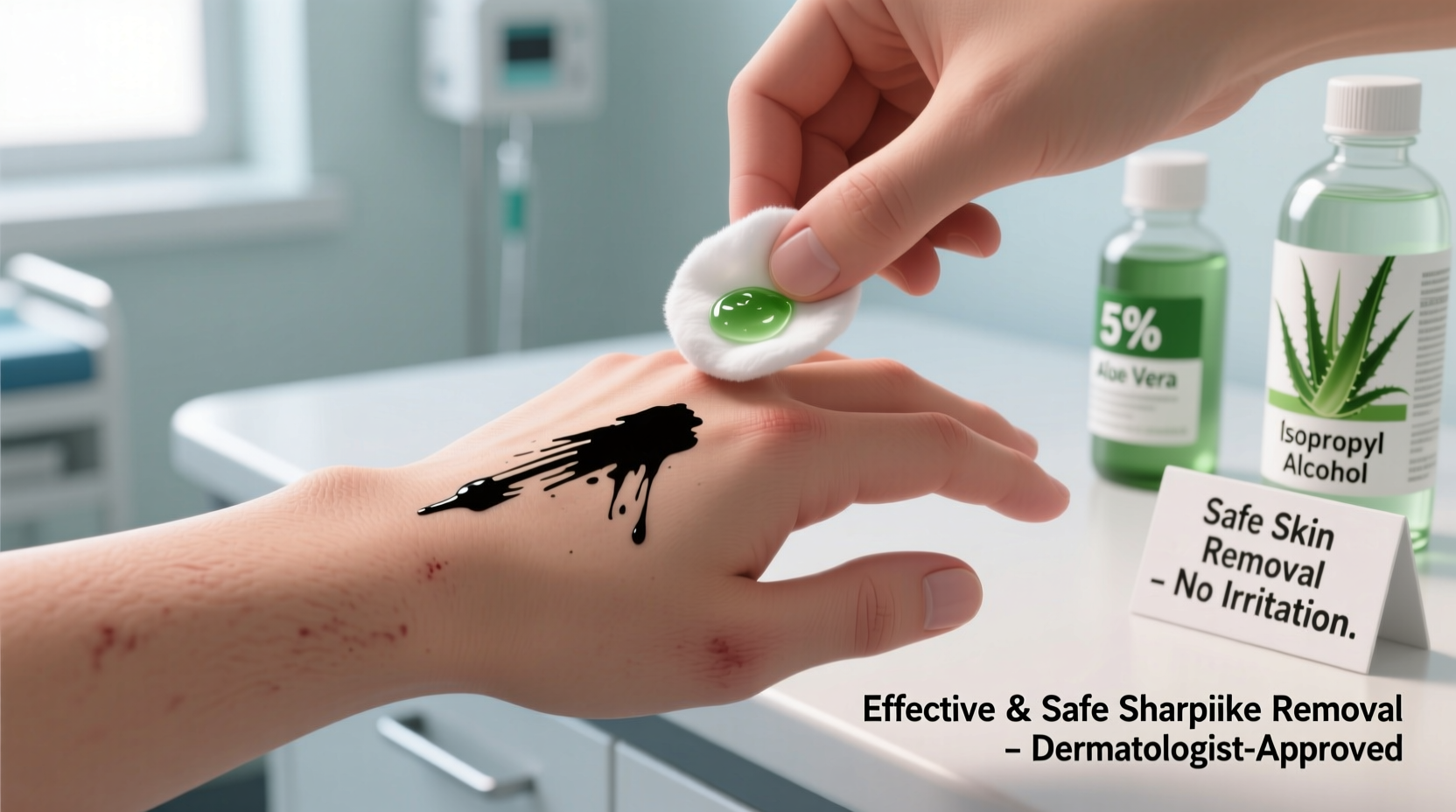
Sharpie ink contains alcohol-based solvents and dyes that adhere well to non-porous surfaces—including the outermost layer of dead skin cells. While labeled “permanent,” this ink gradually fades as the skin naturally exfoliates over 2–5 days. However, waiting isn’t always practical, especially before photos, work, or social events.
According to the American Academy of Dermatology, most permanent marker inks are considered low-risk when briefly exposed to intact skin. The pigments do not absorb deeply into living tissue under normal conditions. Still, removing the ink promptly with gentle methods reduces the chance of accidental transfer to clothes, bedding, or other people—and prevents the urge to scratch or pick at stained areas.
Gentle Household Methods That Work
You likely already have safe, effective tools in your home. These solutions break down ink molecules without stripping natural oils or causing redness.
1. Rubbing Alcohol (Isopropyl Alcohol)
A small amount of rubbing alcohol (at least 70%) dissolves the alcohol-soluble dyes in Sharpie ink. Dampen a cotton ball or soft cloth and gently dab—not rub—the stained area. After the ink lifts, wash with mild soap and water to remove residue.
2. Hand Sanitizer
Most hand sanitizers contain alcohol and glycerin, making them effective ink removers while being gentler than pure alcohol. Apply a dime-sized amount, massage lightly for 15–20 seconds, then wipe with a damp cloth.
3. Baby Oil or Olive Oil
Oils work by breaking down the ink’s solvent base through emulsification. Massage a few drops into the stained skin for 30 seconds, then wipe with a tissue. Follow with soap and water to prevent greasy residue. Ideal for sensitive or dry skin.
4. Makeup Remover Wipes
Many wipes contain oil and alcohol blends designed to dissolve long-wearing cosmetics—perfect for ink removal. Choose fragrance-free versions to minimize irritation risk. Gently swipe until the stain disappears, then rinse.
5. Micellar Water
A favorite among dermatologists for its gentleness, micellar water lifts impurities without rinsing. Soak a cotton pad and hold it on the mark for 10 seconds before wiping. Repeat if needed. Suitable even for facial skin.
“Using oils or alcohol-based products in moderation is safe for skin, but always follow up with moisturizer to maintain the skin barrier.” — Dr. Lena Torres, Board-Certified Dermatologist
Step-by-Step Removal Guide
Follow this sequence for maximum effectiveness with minimal friction:
- Stay calm and avoid scrubbing – Aggressive rubbing can cause micro-tears and spread ink.
- Choose your method – For kids or face: use baby oil or micellar water. For hands/arms: rubbing alcohol or hand sanitizer.
- Apply product – Use a cotton ball or fingertip to gently work the solution into the stained area in circular motions.
- Wait 10–20 seconds – Let the solvent break down the ink; don’t rush.
- Wipe away – Use a soft cloth or tissue to lift the dissolved ink.
- Rinse and moisturize – Wash with lukewarm water and mild soap, then apply a gentle moisturizer.
What Not to Do: Common Mistakes
Some popular hacks can do more harm than good. Avoid these practices to protect your skin.
| Don’t | Why It’s Risky | Better Alternative |
|---|---|---|
| Use bleach or ammonia | Causes chemical burns and severe irritation | Stick to alcohol or oil-based removers |
| Scrub with abrasive tools (nail files, salt, toothbrushes) | Breaks skin barrier, increases infection risk | Use soft cloths or cotton pads only |
| Leave ink on broken or sunburned skin | Ink may seep into open tissue | Cover wounds first; clean around them carefully |
| Use acetone-heavy nail polish remover | Dries out skin, causes cracking and sensitivity | Opt for acetone-free remover or hand sanitizer |
Real-Life Example: Removing Sharpie After a School Project
Sixth-grader Maya used a black Sharpie to label her science fair poster. By the time she got home, ink had smeared across her fingers and wrist. Her mother, wary of harsh chemicals, tried warm soapy water first—but the stain remained. She then applied baby oil with a cotton pad, letting it sit for 15 seconds. After two gentle wipes, the ink lifted completely. Maya’s skin stayed soft, and no redness appeared. The entire process took under three minutes. This case highlights how patience and the right product make a difference—especially with children.
Checklist: Safe Sharpie Removal at Home
- ✅ Assess skin condition – avoid damaged or irritated areas
- ✅ Pick a gentle solvent (oil, alcohol, or micellar water)
- ✅ Use a soft applicator (cotton ball, pad, or cloth)
- ✅ Apply with light pressure – never scrub
- ✅ Rinse thoroughly after removal
- ✅ Moisturize to restore hydration
- ✅ Store Sharpies securely to prevent future accidents
Frequently Asked Questions
Can Sharpie ink be absorbed into the bloodstream through skin?
No, under normal circumstances, Sharpie ink does not penetrate deeply enough to enter the bloodstream. It stays on the stratum corneum—the outermost dead layer of skin—and fades as those cells shed naturally. However, avoid applying ink near eyes, mouth, or open cuts.
Is it safe to use these methods on toddlers?
Yes, but with extra caution. Use only baby oil, micellar water, or unscented wipes on young children. Test a small area first. Avoid alcohol-based products on infants under one year unless approved by a pediatrician.
How long does it take for Sharpie to fade naturally?
Typically 2 to 5 days, depending on skin type, location of the mark, and daily washing habits. Areas like palms and elbows may retain ink longer due to thicker skin.
Final Thoughts
Removing Sharpie from skin doesn’t require extreme measures or harsh chemicals. With everyday items like baby oil, hand sanitizer, or micellar water, you can lift ink safely and efficiently. The secret lies in gentle application and respecting your skin’s natural barrier. Whether dealing with a child’s art mishap or a temporary tattoo experiment, these methods offer peace of mind without irritation.




 浙公网安备
33010002000092号
浙公网安备
33010002000092号 浙B2-20120091-4
Comments
No comments yet. Why don't you start the discussion?