
Quartz countertops have become a top choice in modern kitchens and bathrooms due to their durability, non-porous surface, and elegant appearance. Unlike natural stone, quartz is engineered from about 90–95% ground quartz and resins, making it highly resistant to stains and bacteria. However, this doesn’t mean it’s maintenance-free. To preserve its luster and integrity, using the right cleaning method is essential. Many common household cleaners contain harsh chemicals that can degrade the resin binders in quartz over time, leading to discoloration or etching. The good news is that keeping quartz sparkling clean doesn’t require complicated products or labor-intensive routines—just the right knowledge.
Why Proper Cleaning Matters for Quartz Countertops
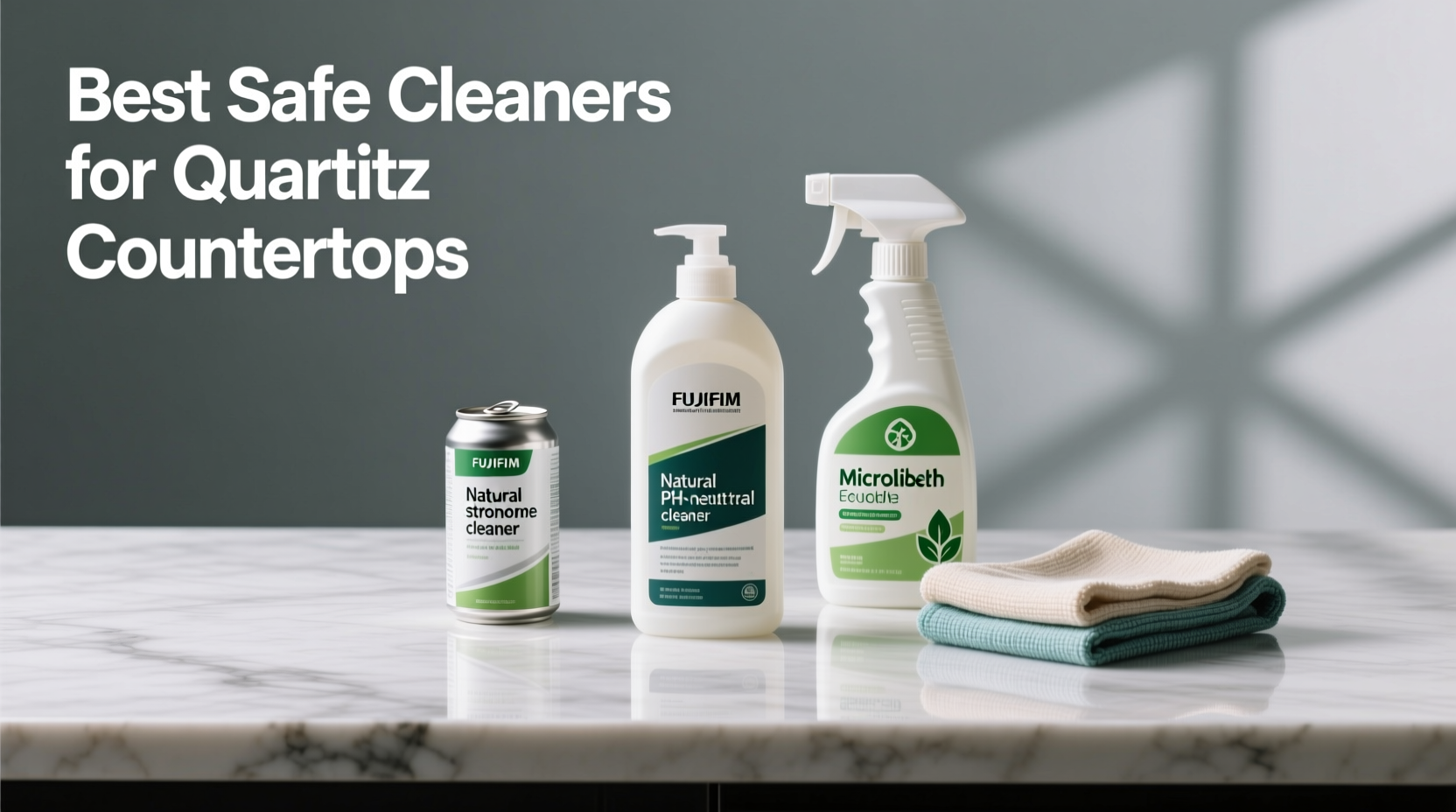
While quartz is one of the most resilient countertop materials available, it’s not indestructible. The resins used in manufacturing are vulnerable to high heat and certain chemical agents. Using abrasive pads, bleach-based cleaners, or acidic substances like vinegar or lemon juice may compromise the surface finish. Over time, improper cleaning can lead to:
- Hazing or dull spots from chemical erosion
- Discoloration, especially on lighter-colored slabs
- Micro-scratches from abrasive scrubbing
- Cracking due to thermal shock if boiling liquids are spilled
Preserving your investment means adopting cleaning practices that are both effective and gentle. A well-maintained quartz countertop can retain its showroom shine for decades with minimal effort.
“Quartz is low-maintenance, but not no-maintenance. The key is consistency and using pH-neutral products.” — Laura Bennett, Kitchen Design Consultant and Material Specialist
The Best Cleaning Solutions: Safe, Simple, and Effective
The ideal cleaner for quartz should remove everyday messes—like coffee spills, grease, or dried food—without harming the surface. Fortunately, the safest options are often the simplest.
Mild Dish Soap and Warm Water
This combination is the gold standard for daily quartz care. A few drops of mild dish soap (such as Dawn or Seventh Generation) mixed with warm water in a spray bottle or bowl creates an effective, non-abrasive cleaning solution. Apply with a soft microfiber cloth, wipe down the surface, then rinse with a damp cloth and dry thoroughly.
Isopropyl Alcohol Solution (For Disinfecting)
When you need to sanitize—after handling raw meat or during flu season—a 70% isopropyl alcohol solution works effectively. Mix 1 part rubbing alcohol with 1 part water in a spray bottle. Spray lightly, let sit for 1–2 minutes, then wipe with a clean cloth. This method kills germs without leaving residue or clouding the surface.
Premium Quartz-Safe Cleaners
Brands like Stone Care International, Weiman Quartz Cleaner, or Method Daily Shower Spray (yes, for countertops too) offer pH-balanced formulas designed specifically for engineered stone. These products often leave a light protective shine and are convenient for quick touch-ups.
What to Avoid: The Quartz Killer List
Even well-intentioned cleaning habits can do more harm than good. Below is a list of common culprits that should never touch your quartz surface.
| Do Not Use | Why It’s Harmful | Better Alternative |
|---|---|---|
| Vinegar, Lemon Juice, or Other Acids | Etches the resin, causing permanent dullness | Mild soapy water |
| Bleach or Chlorine-Based Cleaners | Causes yellowing and weakens binders over time | Alcohol-water mix (for disinfection) |
| Abrasive Scrubbers (Steel Wool, Magic Erasers) | Scratches surface and removes polish | Soft sponge or microfiber cloth |
| Oven Cleaners or Heavy-Duty Degreasers | Chemically aggressive; damages seal and color | Dish soap + warm water soak for tough grime |
Step-by-Step Guide to Deep Cleaning Quartz Countertops
Daily wiping keeps surfaces tidy, but periodic deep cleaning ensures buildup doesn’t accumulate in seams or near backsplashes. Follow this simple routine every 4–6 weeks:
- Clear the Surface: Remove all items, including appliances, containers, and decor.
- Remove Loose Debris: Wipe away crumbs and dust with a dry microfiber cloth.
- Apply Soapy Solution: Spray or apply a mixture of warm water and a few drops of dish soap.
- Gently Scrub Problem Areas: Use a soft sponge on corners, edges, and around sink cutouts where grime collects.
- Rinse Thoroughly: Dampen a second cloth with clean water and wipe down the entire surface to remove any soap residue.
- Sanitize (Optional): Lightly mist with 70% isopropyl alcohol solution and allow to air-dry.
- Dry Completely: Buff with a dry microfiber cloth to prevent water spots and enhance shine.
Real-Life Example: How One Homeowner Saved Her Countertop
Sarah, a homeowner in Portland, noticed her white quartz island had developed cloudy patches near the coffee maker. After researching, she realized she’d been using a vinegar-based cleaner weekly, believing it was “natural” and therefore safe. Within weeks of switching to a pH-neutral quartz spray and microfiber cloths, the haze began to fade. After two months of consistent care, the countertop regained nearly all its original gloss. She now keeps a labeled spray bottle of homemade quartz-safe cleaner under her sink and shares her experience with neighbors remodeling their kitchens.
Essential Maintenance Checklist
Stay proactive with this simple checklist to keep your quartz countertops in top condition:
- ☑ Wipe down daily with soapy water or approved quartz cleaner
- ☑ Use cutting boards—never cut directly on the surface
- ☑ Avoid placing hot pans straight from stove or oven
- ☑ Clean up spills promptly, especially wine, coffee, or oils
- ☑ Perform a deep clean every 4–6 weeks
- ☑ Inspect seams and edges quarterly for buildup or moisture trapping
- ☑ Store cleaning supplies safely—keep bleach and acids out from under the sink if possible
Frequently Asked Questions
Can I use Windex on quartz countertops?
Standard Windex contains ammonia, which is generally safe for occasional use on quartz, but frequent application can dull the finish. For regular cleaning, opt for ammonia-free glass cleaners or stick to dish soap and water. If you do use Windex, choose the \"Ammonia-Free\" version and always follow with a water-wipe to remove residue.
How do I remove dried food or sticky residue?
Soak the area with a warm, soapy cloth for 5–10 minutes to loosen the debris. Then gently wipe with a soft sponge. For stubborn spots, use a plastic scraper at a low angle to lift residue without scratching. Never use metal tools or abrasive pads.
Do quartz countertops need to be sealed?
No. Unlike granite or marble, quartz is non-porous and does not require sealing. This is one of its biggest advantages—no annual resealing, no absorption of liquids. Just routine cleaning is sufficient.
Final Thoughts: Simple Habits, Lasting Results
Caring for quartz countertops doesn’t require expensive products or complicated rituals. The best thing to clean quartz countertops is often already in your kitchen: mild dish soap, water, and a soft cloth. By avoiding harsh chemicals, protecting against heat, and maintaining a consistent cleaning schedule, you can enjoy a pristine, hygienic surface for years to come. The beauty of quartz lies not only in its appearance but in its practicality—when treated with respect, it performs flawlessly in even the busiest homes.




 浙公网安备
33010002000092号
浙公网安备
33010002000092号 浙B2-20120091-4
Comments
No comments yet. Why don't you start the discussion?