
Gold has long been a symbol of wealth and financial security. Whether acquired as bullion, coins, or jewelry, owning physical gold brings peace of mind during economic uncertainty. However, keeping it safe requires more than just placing it in a drawer. Home storage comes with risks—burglary, fire, water damage, and even accidental discovery by visitors. The key is balancing accessibility with discretion and implementing layered protection strategies that deter theft and preserve value over time.
Assessing the Risks of Home Gold Storage
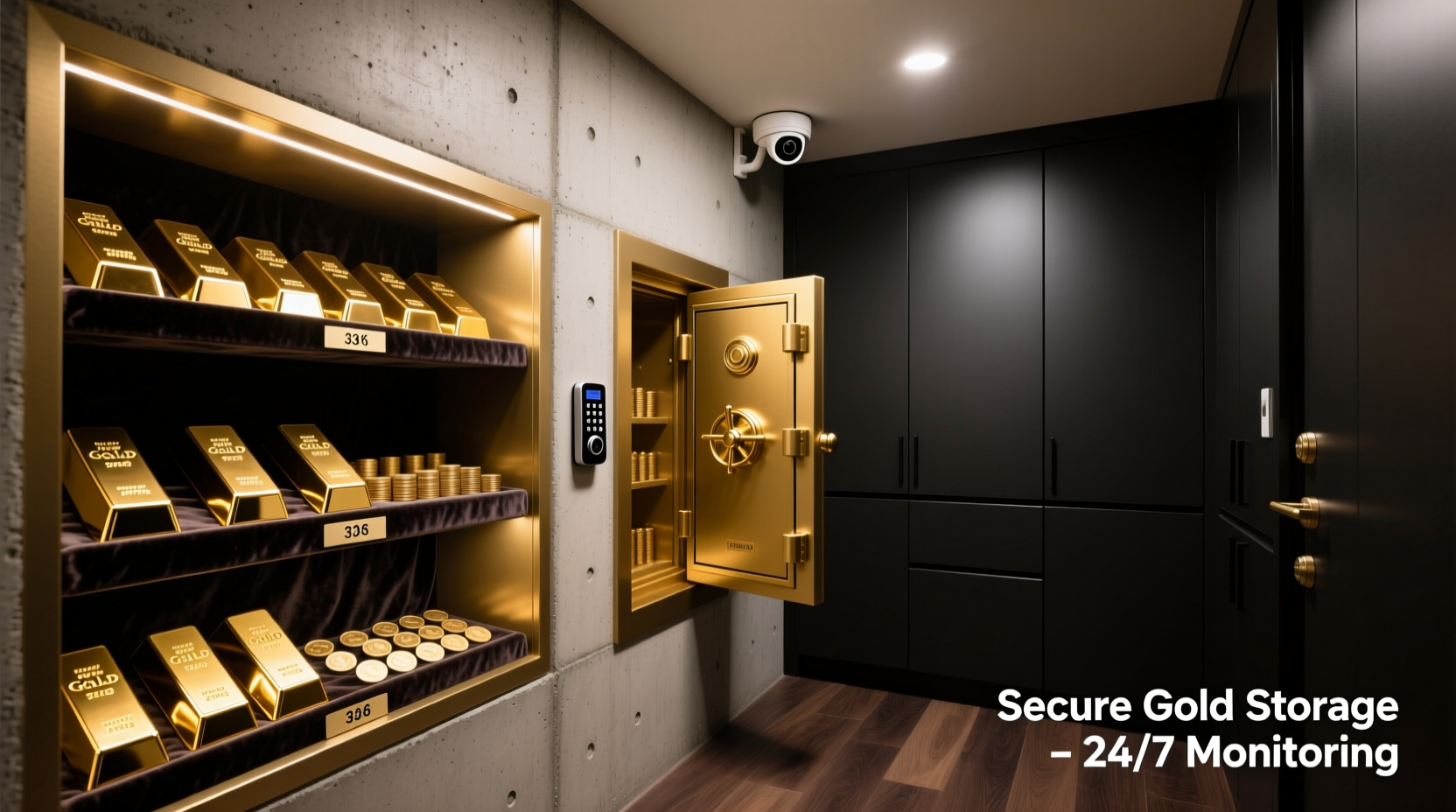
Before deciding how to store gold at home, it’s essential to understand the potential threats. Unlike bank vaults or safety deposit boxes, residential environments lack professional-grade security. Common risks include:
- Burglary: Homes are frequent targets, especially if signs of wealth are visible.
- Fire: A house fire can destroy unprotected valuables, though gold itself won’t burn.
- Water Damage: Flooding or pipe bursts can corrode packaging or contaminate storage containers.
- Family Accidents: Children or guests may unknowingly expose or misplace stored items.
- Trust Issues: Even trusted individuals might be tempted if they discover hidden assets.
Because gold is compact and high-value, it’s particularly vulnerable to theft. A single ounce of gold takes up less space than a matchbox but can be worth over $2,000. This makes concealment and redundancy critical components of any storage plan.
Choosing the Right Storage Solutions
No single method guarantees 100% safety, but combining multiple approaches significantly reduces risk. Consider these proven storage options, each with distinct advantages and limitations.
Home Safes: The First Line of Defense
A high-quality safe is often the cornerstone of home gold storage. Look for models rated TL-15 or higher by Underwriters Laboratories (UL), indicating resistance to tool attacks for at least 15 minutes. Fire-resistant safes should offer at least one hour of protection at 1,700°F.
Anchor the safe to the floor or wall to prevent thieves from carrying it away. Avoid placing it in obvious locations like bedrooms or home offices. Instead, install it behind false walls, under floorboards, or inside closets where its weight won’t raise suspicion.
Hidden Compartments and False Objects
Concealment devices such as fake electrical outlets, hollow books, or disguised wall panels can hide small amounts of gold effectively. These work best when used in conjunction with a primary safe—not as standalone solutions.
Rotate hiding spots periodically to reduce the chance of discovery, even by someone who gains access to your home.
Diversion Safes
These everyday household items—like spray paint cans, soda cans, or cleaning product bottles—are modified to hold small valuables. Because they look ordinary, they’re often overlooked during searches.
| Storage Method | Security Level | Fire Protection | Best For |
|---|---|---|---|
| High-end Floor Safe (anchored) | ★★★★☆ | Yes (if fire-rated) | Main stash, larger quantities |
| Wall Safe (concealed) | ★★★☆☆ | Limited | Moderate holdings, secondary location |
| Diversion Containers | ★★☆☆☆ | No | Small backups, emergency caches |
| False Outlet or Wall Box | ★★★☆☆ | No | Discreet storage in plain sight |
| Bank Safety Deposit Box | ★★★★☆ | Varies by bank | Long-term, low-access storage |
“Physical security is only as strong as its weakest link. A million-dollar safe behind a painting is useless if the combination is written on a sticky note nearby.” — David R. Miller, Security Consultant & Former ATF Agent
Implementing Layered Security: A Step-by-Step Guide
Relying on a single storage point is risky. Smart gold owners use a decentralized approach. Follow this sequence to build a resilient system:
- Inventory and Categorize: List all gold holdings by type, weight, and approximate value. Separate into primary, secondary, and emergency reserves.
- Select Primary Storage: Use a UL-rated safe installed in a discreet, structurally sound area. Anchor it securely.
- Create Secondary Hiding Spots: Place small amounts in diversion safes or hidden compartments in different parts of the house—never more than 5–10% of total value per location.
- Document Without Compromising: Keep records offsite or encrypted digitally. Never label containers with words like “gold” or “valuables.”
- Test Accessibility: Ensure you can retrieve gold quickly in emergencies without drawing attention.
- Review Quarterly: Check condition, update hiding spots, and verify no moisture or pests have affected storage areas.
Real-World Example: How One Family Protected Their Investment
In 2020, a family in Colorado purchased 10 ounces of gold eagles as a hedge against inflation. They initially kept it in a small desk safe, but after a neighborhood break-in, they reevaluated their strategy.
They upgraded to a 500-pound floor-safe anchored in a closet beneath a rug. They also placed two ounces in a fake electrical outlet in the garage and another ounce inside a hollowed-out book in the basement. The remaining documentation was stored in an encrypted cloud folder with two-factor authentication.
When their home was burglarized six months later, the thieves took electronics and cash but overlooked all gold storage locations. The layered approach worked—the primary safe wasn’t targeted due to its concealment, and the decoy valuables satisfied the intruders.
Common Mistakes to Avoid
- Using Cheap Safes: Budget safes can be pried open in seconds. Invest in certified models.
- Storing All Gold in One Spot: A single point of failure increases risk dramatically.
- Labeling Containers: “Coin Collection” or “Valuables” tags invite theft.
- Ignoring Environmental Factors: Humidity can tarnish gold-plated items or degrade packaging over time.
- Telling Too Many People: Even well-meaning relatives may inadvertently disclose information.
Frequently Asked Questions
Is it legal to store gold at home?
Yes, in most countries including the U.S., Canada, and the UK, it is entirely legal to own and store gold at home. There are no federal limits on private ownership, though large transactions may require reporting for tax purposes.
Should I insure my home-stored gold?
Yes. Standard homeowner’s insurance often excludes high-value items like precious metals. Add a rider or schedule your gold separately, providing appraisals and photos. Some specialized insurers, like Lloyd’s of London affiliates, offer fine art and bullion policies.
Can I store gold in a safety deposit box?
You can, but consider the drawbacks. Banks may restrict access during emergencies or holidays. Additionally, some institutions prohibit storing precious metals in boxes. If using one, do so as part of a diversified strategy—not your sole storage method.
Final Checklist: Secure Gold Storage at Home
- ✅ Purchase a UL-rated, anchored safe for primary storage
- ✅ Install at least one secondary hidden compartment
- ✅ Use tamper-evident, anti-tarnish packaging for gold
- ✅ Distribute holdings across multiple low-profile locations <5>✅ Keep digital or offsite records of inventory (encrypted)
- ✅ Review and rotate hiding spots every 3–6 months
- ✅ Inform only one trusted person of full storage details
Conclusion
Storing gold at home doesn’t have to be risky—if done wisely. The most effective strategies combine physical security, intelligent concealment, and operational secrecy. By treating your gold storage like a personal security system rather than a simple hiding place, you protect not just your assets but your family’s financial future. Start today: assess your current setup, eliminate single points of failure, and build a system that works quietly, reliably, and invisibly.




 浙公网安备
33010002000092号
浙公网安备
33010002000092号 浙B2-20120091-4
Comments
No comments yet. Why don't you start the discussion?