
Maintaining engine health requires more than just regular oil changes and filter replacements. One of the most overlooked yet critical components is the piston. Over time, carbon buildup, oil residue, and combustion byproducts accumulate on piston crowns, ring lands, and skirts. This accumulation can lead to reduced compression, poor fuel efficiency, knocking, and even engine failure. Cleaning pistons properly not only restores performance but also extends engine life. However, improper cleaning methods can cause irreversible damage. Understanding effective, safe, and practical techniques is essential whether you're rebuilding an engine or performing deep maintenance.
Why Piston Cleaning Matters
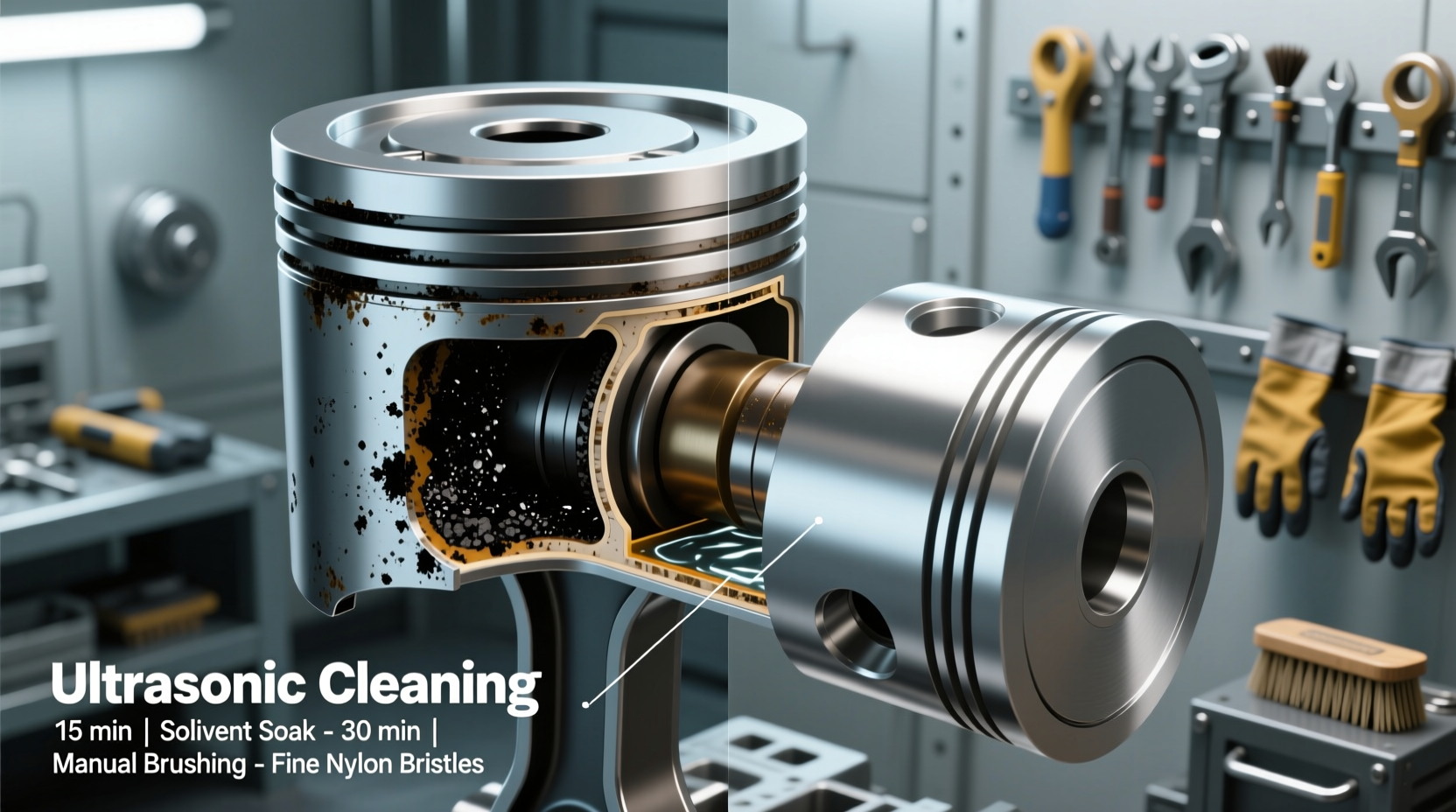
Pistons operate under extreme conditions—high temperatures, rapid movement, and constant exposure to combustion gases. As a result, they are prone to accumulating carbon deposits, especially in engines that frequently run at low RPMs or use lower-quality fuel. These deposits reduce thermal efficiency, increase emissions, and can interfere with piston ring movement, leading to blow-by and oil consumption.
Regular inspection and cleaning become crucial during engine overhauls or performance upgrades. A clean piston allows for accurate assessment of wear, proper ring seating, and consistent combustion. Ignoring this step may compromise the entire rebuild process, no matter how precise the machining or assembly.
“Carbon deposits on pistons aren’t just dirt—they’re performance thieves. Removing them correctly is half the battle in restoring lost power.” — Daniel Reeves, ASE-Certified Master Technician
Essential Tools and Materials
Cleaning pistons isn't as simple as scrubbing with a brush. The materials used must be compatible with aluminum or steel (depending on piston type), and the method should avoid scratching or warping. Below is a list of recommended tools and supplies:
- Plastic or nylon brushes (metal brushes can gouge surfaces)
- Carbon scraper with rounded edges
- Ultrasonic cleaner (for deep cleaning without abrasion)
- Chemical solvent (carburetor cleaner, diesel injector fluid, or dedicated carbon remover)
- Lint-free cloths
- Safety gear: gloves, goggles, ventilation mask
- Basket or tray for holding parts during soaking
Step-by-Step Guide to Cleaning Pistons
Cleaning pistons effectively involves preparation, controlled removal of deposits, and careful finishing. Follow this sequence for optimal results:
- Remove pistons safely: Disassemble the engine block and carefully extract the pistons with connecting rods. Label each piston to maintain cylinder order if reusing.
- Initial inspection: Check for cracks, scoring, scuffing, or melted areas on the crown. If damage is present, cleaning won’t suffice—replacement may be necessary.
- Loosen heavy deposits: Use a plastic scraper to gently remove thick carbon from the piston crown and ring grooves. Work slowly to avoid scratching the surface.
- Clean ring grooves: Use a ring groove cleaning tool or a broken ring segment to clear out carbon trapped between rings. This ensures new rings seat properly during reassembly.
- Soak in solvent: Submerge pistons in a chemical bath (e.g., carb cleaner or specialized decarbonizer) for 15–30 minutes. Agitate occasionally for better penetration.
- Scrub gently: Use nylon brushes to work into crevices, especially around valve reliefs and wrist pin bores. Avoid aggressive scrubbing on machined surfaces.
- Ultrasonic cleaning (optional): For thorough, non-abrasive cleaning, place pistons in an ultrasonic tank with a mild aqueous solution. Run for 10–20 minutes.
- Rinse and dry: Flush with clean solvent or hot water (if using water-based solutions), then dry completely with compressed air or lint-free cloth.
- Final inspection: Verify all carbon is removed and surfaces are smooth. Recheck ring lands for freedom of movement.
- Protect before storage: Apply light coat of rust inhibitor or engine oil if not reinstalling immediately.
Do’s and Don’ts: Best Practices Summary
| Do’s | Don’ts |
|---|---|
| Use plastic or nylon tools to avoid surface damage | Never use metal scrapers or wire brushes on aluminum |
| Work in a well-ventilated area when using solvents | Avoid prolonged exposure to harsh chemicals like oven cleaner |
| Clean ring grooves thoroughly for proper ring function | Don’t neglect wrist pin bores and underside of crowns |
| Inspect for micro-cracks after cleaning | Don’t reuse severely pitted or damaged pistons |
| Dry parts completely before reassembly | Never install damp or chemically contaminated pistons |
Real-World Example: Restoring a High-Mileage Engine
A mechanic in Denver recently rebuilt a 6.0L V8 diesel engine with over 300,000 miles. Despite good oil pressure, the engine exhibited misfires and excessive smoke. Upon disassembly, heavy carbon buildup was found on all piston crowns—some deposits exceeding 3mm in thickness. The team opted for a two-stage cleaning process: initial manual scraping followed by a 20-minute soak in a commercial carbon remover. After brushing and rinsing, the pistons were placed in an ultrasonic cleaner. The difference was dramatic—carbon was fully removed without damaging the anodized coating. Once reassembled with new rings, the engine ran smoothly, regained lost power, and passed emissions testing with ease. This case underscores how proper piston cleaning directly impacts performance restoration.
Alternative Methods and Their Trade-offs
While the standard solvent-and-brush method works for most applications, several alternative techniques exist:
- Tumbler Blasting: Uses ceramic or walnut media in a rotating chamber. Effective for cast pistons but risky for forged or thin-wall designs due to impact stress.
- Thermal Cleaning (Bake Oven): Burns off carbon in a controlled furnace. Requires precise temperature control; overheating can alter material properties.
- Media Blasting with Sodium Bicarbonate: Less abrasive than sandblasting, leaves no residue, and is safe for aluminum. Ideal for vintage engines where preservation matters.
For DIY mechanics, chemical and manual methods remain the safest and most accessible. Professional shops may combine techniques depending on application and budget.
Frequently Asked Questions
Can I clean pistons without removing them from the engine?
Partial cleaning is possible using liquid decarbonizing agents introduced through spark plug holes while the engine is cranked. However, this method only loosens soft deposits and cannot replace physical cleaning during disassembly. It's best suited for preventive maintenance, not severe buildup.
Is it safe to use carb cleaner on aluminum pistons?
Yes, most carb cleaners are safe for short-term exposure. However, prolonged soaking (over 1 hour) may affect protective coatings. Always rinse thoroughly and avoid products containing chlorine or strong acids.
How often should pistons be cleaned?
Under normal conditions, pistons don’t require routine cleaning. However, during engine rebuilds, performance tuning, or after diagnosing issues like pre-ignition or high oil consumption, inspection and cleaning are strongly recommended.
Final Checklist: Are Your Pistons Ready?
Before reassembly, confirm the following:
- All carbon deposits have been removed from crown and ring lands
- Piston skirts are free of scoring or galling
- Wrist pin bores are clean and smooth
- No cracks or erosion visible under bright light
- Rings move freely in their grooves
- Pistons are completely dry and protected from moisture
Conclusion
Cleaning pistons properly is not just about aesthetics—it's a fundamental part of engine longevity and performance. Whether you're restoring an old motor or optimizing a modern build, taking the time to clean pistons with precision pays dividends in reliability, efficiency, and power output. By using the right tools, respecting material limits, and following a systematic approach, you ensure every component contributes to a smoother-running engine.




 浙公网安备
33010002000092号
浙公网安备
33010002000092号 浙B2-20120091-4
Comments
No comments yet. Why don't you start the discussion?