
Ice silk face masks have gained popularity for their lightweight feel, cooling effect, and breathability—ideal for daily wear in warm climates or during extended use. However, like any textile product designed for close contact with the skin, their performance and lifespan depend heavily on proper care. Washing incorrectly or neglecting maintenance can degrade the fabric’s moisture-wicking properties, reduce elasticity, and harbor bacteria. This guide provides a comprehensive approach to preserving the integrity, freshness, and comfort of your ice silk mask through scientifically sound cleaning practices and mindful usage habits.
Understanding Ice Silk Fabric
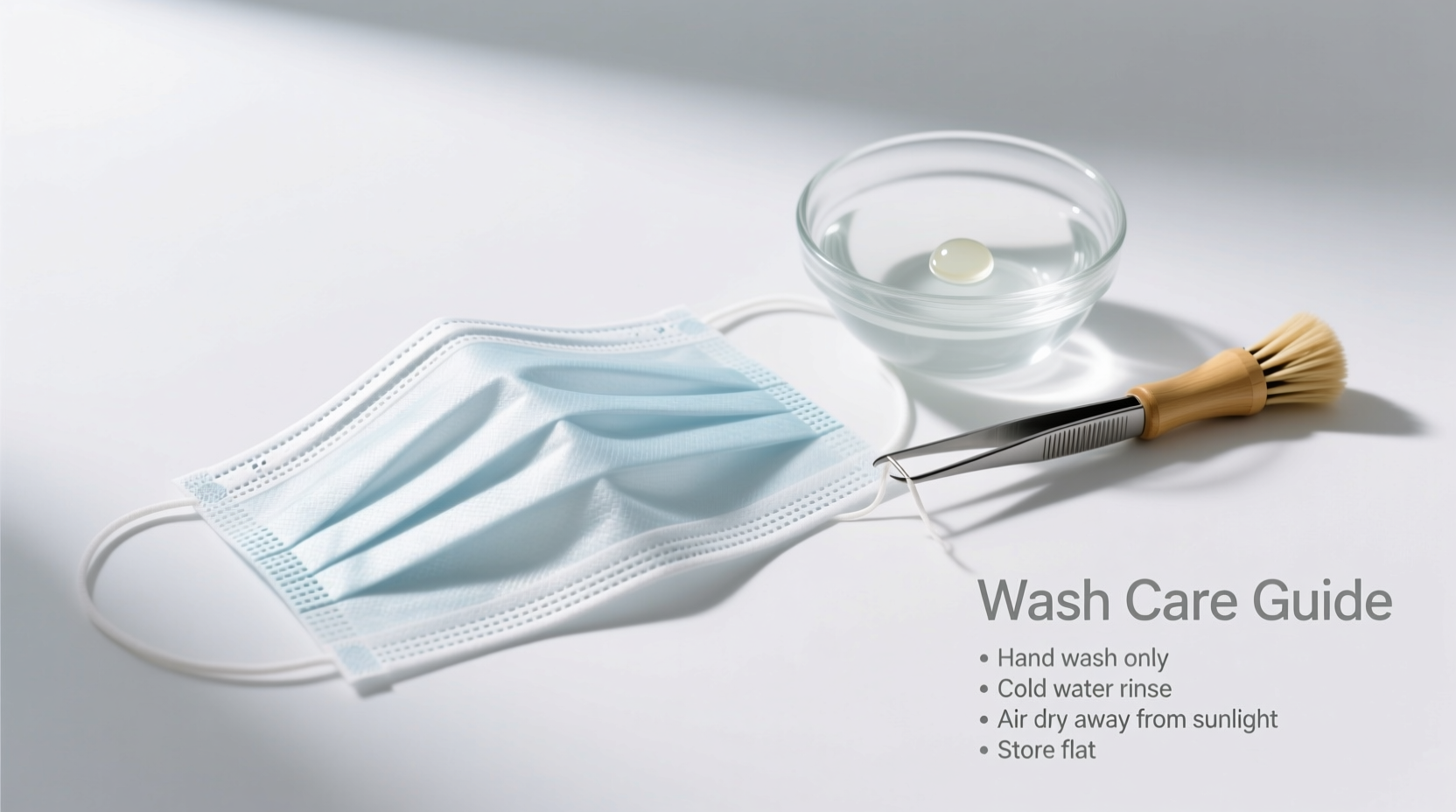
Despite its name, ice silk is not actual silk but a high-performance synthetic blend typically composed of polyester, polyamide (nylon), and spandex. The fabric earns its “ice” moniker from its ability to create a cooling sensation upon contact with skin, thanks to rapid moisture evaporation and low thermal retention. Its smooth texture mimics natural silk while offering greater durability and stretch.
What sets ice silk apart is its engineered microfiber structure, which enhances airflow and wicks sweat away from the face. However, this same delicate weave is sensitive to heat, harsh detergents, and mechanical stress. Preserving these qualities requires a tailored care routine that balances cleanliness with fabric preservation.
“Many people treat ice silk like cotton, but it’s far more technical. Gentle handling is non-negotiable if you want to keep the cooling effect intact.” — Dr. Lena Torres, Textile Scientist at GreenWear Labs
Step-by-Step Guide: How to Wash Your Ice Silk Face Mask
Cleaning your ice silk mask regularly ensures hygiene without compromising material integrity. Follow this six-step process for optimal results:
- Inspect the care label: Always check manufacturer instructions first. Some blends may have specific pH or temperature limits.
- Remove filters (if applicable): If your mask includes a replaceable filter, take it out before washing. Filters are generally not washable.
- Rinse immediately after use: For frequent users, a quick cold water rinse post-wear prevents oil buildup and odor retention.
- Use mild detergent: Choose a gentle, fragrance-free liquid soap or baby shampoo. Avoid bleach, fabric softeners, and enzymatic cleaners.
- Hand wash in cool water: Fill a basin with cold water and add a small amount of detergent. Submerge the mask and gently agitate for 30–60 seconds. Do not scrub or twist.
- Rinse thoroughly and air dry: Rinse under cold running water until no suds remain. Lay flat on a clean towel, roll to remove excess moisture, then reshape and air-dry away from direct sunlight or heat sources.
Do’s and Don’ts: Maintaining Fabric Performance
To extend the functional life of your mask, follow these essential guidelines. The table below summarizes key dos and don’ts based on textile engineering principles.
| Do’s | Don’ts |
|---|---|
| Wash after every 1–2 uses to prevent bacterial growth | Machine wash unless explicitly permitted by the manufacturer |
| Store in a breathable cotton pouch when not in use | Leave the mask bunched in a pocket or bag where moisture can accumulate |
| Use UV sterilization bags occasionally for deep hygiene (without moisture) | Expose to direct sunlight for prolonged drying—UV rays degrade elastane |
| Rotate between multiple masks to reduce wear frequency | Iron or steam the fabric—heat melts synthetic fibers |
| Replace every 3–6 months depending on usage intensity | Use alcohol wipes frequently—solvents strip protective coatings |
Maintaining Freshness Between Uses
Even with regular washing, daily wear demands strategies for mid-cycle freshness. Consider these practical methods:
- Overnight airing: Place the mask on a clean surface in a well-ventilated room overnight. Airflow reduces residual humidity and neutralizes odors naturally.
- Baking soda refresh: Sprinkle a pinch of food-grade baking soda inside the mask, let sit for 10 minutes, then shake out. This absorbs oils and neutralizes acidity from breath.
- Freezer deodorizing (optional): Seal the dry mask in a ziplock bag and place in the freezer for 2–3 hours. Cold temperatures inhibit microbial activity and refresh the cooling sensation.
These techniques are especially useful for commuters or healthcare workers who rely on the same mask throughout a shift but cannot wash it midday.
Real-World Example: A Nurse’s Routine
Sophie, a clinic nurse in Miami, wears her ice silk mask up to 10 hours a day in high-humidity conditions. Initially, she machine-washed her masks daily, only to find they lost shape and cooling ability within three weeks. After switching to hand washing with baby shampoo and adopting a four-mask rotation system, she noticed immediate improvements. Her masks now last over four months with consistent comfort and freshness. She attributes the success to avoiding heat exposure and never skipping the air-dry step.
“I used to think ‘clean’ meant hot water and strong soap,” she says. “Now I realize gentle care actually keeps my mask cleaner in the long run because it doesn’t trap smells in damaged fibers.”
Expert-Recommended Maintenance Checklist
Follow this checklist weekly to ensure your ice silk mask remains hygienic, comfortable, and effective:
- ✅ Wash after every 1–2 wears
- ✅ Use cold water and mild detergent
- ✅ Hand wash only (unless labeled machine-safe)
- ✅ Lay flat to dry—never hang or tumble dry
- ✅ Inspect for stretched ear loops or thinning fabric monthly
- ✅ Store in a ventilated container or cloth bag
- ✅ Replace if fabric feels stiff, discolored, or no longer cools upon contact
Frequently Asked Questions
Can I use dish soap to wash my ice silk mask?
Only in emergencies. While some dish soaps are mild, many contain degreasers and fragrances that can break down elastic fibers over time. Stick to baby shampoo or detergents formulated for delicates.
How often should I replace my ice silk mask?
Every 3 to 6 months with regular use (daily or near-daily). Signs it’s time to replace include loss of snug fit, reduced cooling sensation, persistent odor after washing, or visible pilling.
Is it safe to use disinfectant sprays on ice silk?
Avoid alcohol-based sprays. They may kill germs but also degrade the fabric’s moisture-wicking coating. If disinfection is necessary, opt for a no-rinse textile sanitizer approved for synthetics, and use sparingly.
Conclusion: Make Care a Habit, Not a Chore
Your ice silk face mask is an investment in comfort, protection, and personal wellness. Treating it with consistent, thoughtful care ensures it performs as intended—keeping you cool, fresh, and confident through every wear. By integrating simple routines like hand washing, flat drying, and regular inspection, you preserve both hygiene and functionality. These small actions compound into significant longevity gains, reducing waste and enhancing value.




 浙公网安备
33010002000092号
浙公网安备
33010002000092号 浙B2-20120091-4
Comments
No comments yet. Why don't you start the discussion?