
Dry hands are more than just a cosmetic concern—they can crack, sting, and interfere with daily life. Whether caused by cold weather, frequent handwashing, or exposure to harsh chemicals, severely dry skin on the hands requires targeted intervention. Unlike facial skin, the hands have fewer oil glands and thinner skin, making them especially vulnerable to moisture loss. With consistent, intelligent care, it’s possible to reverse damage and restore smooth, supple skin. This guide outlines science-backed strategies, practical routines, and long-term habits to heal and protect your hands.
Understanding the Causes of Very Dry Hands
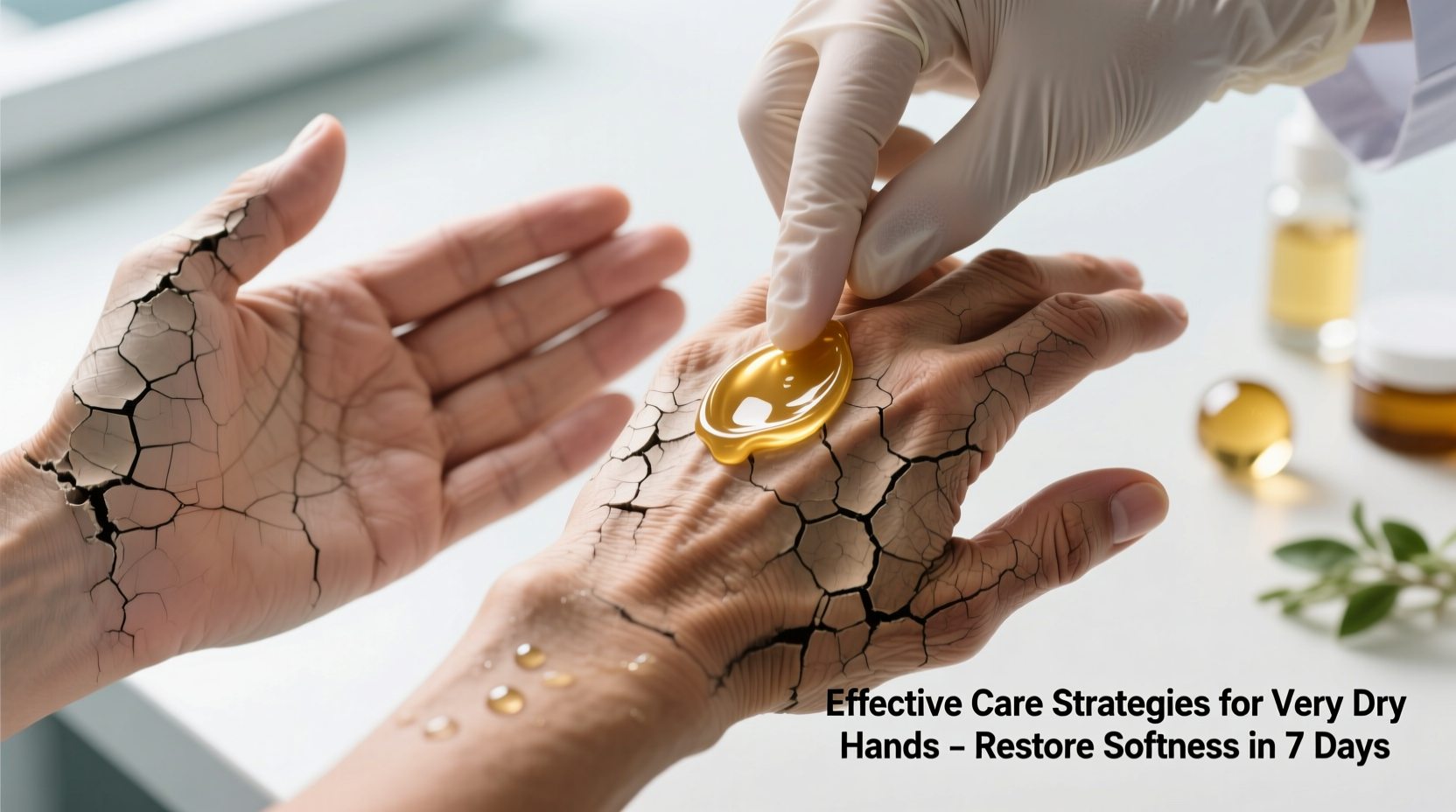
Dryness in the hands often results from a compromised skin barrier. The outermost layer of skin, the stratum corneum, relies on natural oils (sebum), ceramides, and water to stay hydrated and resilient. When this balance is disrupted, moisture escapes and irritants penetrate more easily. Common causes include:
- Frequent handwashing—Especially with hot water and soap, which strips natural oils.
- Cold, dry climates—Low humidity reduces moisture retention in the skin.
- Household cleaners and detergents—Contain surfactants that dissolve protective lipids.
- Occupational exposure—Healthcare workers, cleaners, and mechanics face constant hand stress.
- Aging—Natural sebum production declines over time, leading to drier skin.
- Skin conditions—Eczema (atopic dermatitis) or contact dermatitis exacerbate dryness.
Recognizing the root cause helps tailor an effective treatment plan. For example, someone working in healthcare may need stronger barrier protection, while seasonal dryness might respond well to overnight treatments.
Step-by-Step Guide to Restoring Softness
Reversing severe dryness isn’t instantaneous, but with a structured approach, noticeable improvement can occur within days. Follow this seven-day intensive restoration protocol to kickstart healing.
- Day 1–2: Gentle Cleansing & Exfoliation
Replace harsh soaps with a sulfate-free, fragrance-free cleanser. After washing, use a soft washcloth to gently exfoliate flaky areas. Avoid scrubs with large granules, which can cause micro-tears. - Day 3–4: Hydrate and Seal
Apply a humectant-rich product (like one containing glycerin or hyaluronic acid) immediately after washing. Then, lock in moisture with an occlusive agent such as petroleum jelly or shea butter. - Day 5–7: Overnight Repair Therapy
Before bed, apply a thick emollient (e.g., ointment-based cream) and wear cotton gloves overnight. This creates a sealed environment that enhances absorption and repair.
After the first week, transition into a maintenance routine focusing on prevention and daily hydration.
Choosing the Right Products: What Works and What Doesn’t
Not all hand creams are created equal. Understanding ingredient functions helps you select products that actively repair rather than temporarily soothe.
| Ingredient Type | Purpose | Examples | Avoid If… |
|---|---|---|---|
| Humectants | Draw water into the skin | Glycerin, Hyaluronic Acid, Urea | Skin is cracked or weeping (may sting) |
| Emollients | Smooth and soften rough texture | Shea Butter, Squalane, Jojoba Oil | Allergic to nut oils (check labels) |
| Occlusives | Seal in moisture | Petroleum Jelly, Dimethicone, Beeswax | Prefer lightweight feel (can feel greasy) |
| Barrier Repair Agents | Restore skin’s natural defenses | Ceramides, Cholesterol, Fatty Acids | Rare allergies, but generally safe |
Look for products labeled “fragrance-free” and “hypoallergenic,” especially if you have sensitive skin. Dermatologists often recommend ointments over lotions for severely dry hands because they contain higher concentrations of occlusive ingredients.
“Consistent use of ceramide-based creams can rebuild the skin barrier in as little as two weeks.” — Dr. Lena Torres, Board-Certified Dermatologist
Mini Case Study: Nurse Recovering from Occupational Hand Dermatitis
Maria, a 42-year-old ICU nurse, developed painful cracks at the base of her fingers after months of frequent hand sanitizing and glove use. Despite using hand cream between shifts, her skin worsened. She consulted a dermatologist who diagnosed her with irritant contact dermatitis compounded by winter dryness.
Her treatment plan included:
- Switching to a gentle, pH-balanced hand cleanser
- Applying a ceramide-rich cream after every handwash
- Using petroleum jelly and cotton gloves nightly
- Wearing nitrile gloves under vinyl when handling disinfectants
Within three weeks, Maria reported significant improvement in pain and cracking. By week six, her hands were nearly healed. Her case underscores the importance of combining medical-grade products with behavioral adjustments.
Preventive Checklist for Long-Term Hand Health
To maintain softness and prevent recurrence, integrate these practices into your daily life:
- ✅ Wash hands with lukewarm water and mild, fragrance-free soap
- ✅ Pat hands dry—never rub—with a soft towel
- ✅ Moisturize within 30 seconds of washing
- ✅ Wear gloves when cleaning, gardening, or handling chemicals
- ✅ Use cotton-lined gloves in cold weather
- ✅ Apply a thick hand cream or ointment before bedtime
- ✅ Stay hydrated—internal moisture supports external skin health
- ✅ Avoid alcohol-based sanitizers unless necessary; follow with moisturizer
Frequently Asked Questions
Can drinking more water cure dry hands?
While staying hydrated supports overall skin health, dry hands are primarily caused by external factors like weather and chemical exposure. Topical treatments are essential—hydration alone won’t resolve severe dryness.
Is petroleum jelly safe for daily use?
Yes. Petroleum jelly is non-comedogenic, hypoallergenic, and highly effective at sealing in moisture. It’s recommended by dermatologists for dry, cracked skin and does not degrade over time.
When should I see a doctor for dry hands?
If your hands develop deep fissures, bleeding, persistent redness, or signs of infection (pus, swelling), consult a dermatologist. You may need prescription treatments like topical steroids or barrier-repair creams.
Conclusion: Make Hand Care a Non-Negotiable Habit
Your hands work tirelessly every day—they deserve thoughtful care. Treating very dry hands isn’t about quick fixes but building a sustainable routine that prioritizes protection and repair. From choosing the right moisturizer to wearing gloves proactively, small changes yield lasting results. Healing takes consistency, but the payoff—soft, resilient skin—is well worth the effort.




 浙公网安备
33010002000092号
浙公网安备
33010002000092号 浙B2-20120091-4
Comments
No comments yet. Why don't you start the discussion?