
Bag charms are more than just decorative accessories—they’re personal statements that reflect style, sentiment, and sometimes even status. Whether it’s a delicate metal pendant, a vintage enamel piece, or a plush keychain from a luxury brand, these small accents endure constant exposure to friction, environmental elements, and handling. Without proper care, they can tarnish, scratch, or break prematurely. Protecting their appearance and structural integrity doesn’t require complex rituals; it demands consistent, thoughtful habits. By integrating simple but strategic routines into your accessory maintenance, you can preserve both the aesthetic and emotional value of your cherished bag charms for years.
Understanding What Threatens Your Bag Charms
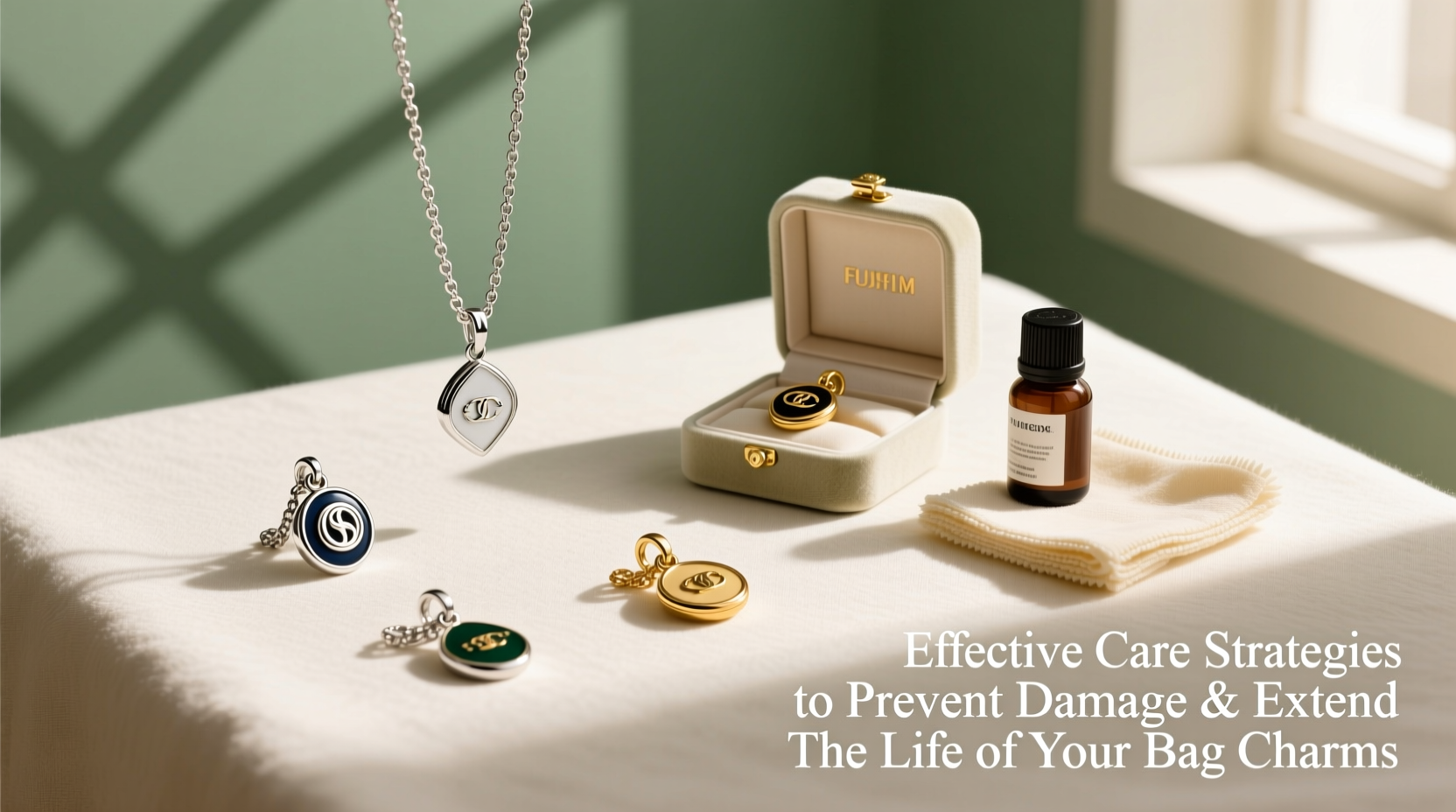
Before implementing care routines, it’s essential to recognize the common causes of charm degradation. Most damage stems not from sudden accidents but from cumulative exposure to avoidable stressors:
- Friction and impact: Constant rubbing against bag surfaces or other objects leads to scratches and loosened attachments.
- Moisture and humidity: Especially harmful to metal components, causing oxidation and tarnishing.
- Sunlight and heat: UV rays fade colors in resin, enamel, and fabric elements, while heat warps delicate materials.
- Dirt and oils: Skin oils, dust, and environmental grime accumulate in crevices, dulling shine and corroding finishes.
- Poor attachment methods: Using incorrect clasps or overloading chains strains connectors and increases loss risk.
Addressing these threats proactively is far more effective than attempting restoration after damage occurs.
Step-by-Step Guide to Daily and Seasonal Maintenance
Maintenance doesn’t need to be time-consuming. A structured approach ensures thorough care without burdening your routine. Follow this timeline to keep your bag charms in optimal condition:
- Daily Check (30 seconds): Inspect the charm’s attachment point. Ensure clips, lobster clasps, or rings are secure. Wipe gently with a dry microfiber cloth to remove surface oils.
- Weekly Cleaning: For metal charms, use a jewelry polishing cloth. For fabric or resin pieces, lightly brush with a soft toothbrush to dislodge dust.
- Monthly Deep Clean: Soak metal charms in warm water with a drop of mild dish soap for 5 minutes. Rinse and dry completely before reattaching. Avoid submerging non-metal components.
- Seasonal Assessment: Evaluate wear patterns. Look for thinning chains, weakened solder points, or discoloration. Replace worn parts before failure occurs.
- Off-Season Storage: When not in use, store charms separately in lined boxes or pouches to prevent tangling and scratching.
This layered strategy prevents minor issues from escalating and keeps each charm ready for display.
Material-Specific Care Guidelines
Not all charms respond the same way to cleaning or storage. Tailoring your approach by material significantly improves outcomes. The table below outlines best practices for common charm types:
| Material | Cleaning Method | Storage Recommendation | Avoid |
|---|---|---|---|
| Stainless Steel / Silver | Polishing cloth or soapy water soak | Anti-tarnish pouch with silica gel | Exposure to chlorine or perfume |
| Enamel | Damp cloth only; no soaking | Separate compartment in soft case | Harsh scrubbing or temperature shocks |
| Resin / Acrylic | Wipe with alcohol-free wipe | Flat tray away from direct light | Sunlight and abrasive cleaners |
| Fabric / Plush | Spot clean with mild detergent | Ventilated box with cedar block | Humid environments and mothballs |
| Leather Tags | Condition with leather balm monthly | Dust bag with breathable lining | Water immersion and plastic wrapping |
Adhering to these guidelines preserves the unique properties of each material and prevents irreversible damage.
Expert Insight: Why Small Details Matter
The longevity of accessories often hinges on overlooked details. Industry professionals emphasize that charm care is not vanity—it's preservation.
“Many clients don’t realize that a loose jump ring can lead to total loss. Regular inspection is as important as cleaning.” — Lena Torres, Luxury Accessory Conservator at Atelier Care Group
Torres notes that over 60% of charm damage she sees in her studio could have been prevented with monthly checks and proper detachment during adverse conditions—like rain, gym use, or travel. She recommends using secondary safety clasps for high-value charms, especially when worn on frequently used bags.
Real Example: Preventing a Costly Loss
Sophie, a marketing executive in Chicago, owned a limited-edition charm from her favorite designer—gifted to commemorate her first promotion. She attached it to her daily tote without considering wear patterns. After three months, the charm’s chain developed a weak link from constant jostling against the zipper pull. One morning, it snapped, and the charm vanished between subway platform tiles.
Heartbroken, Sophie contacted the brand, only to learn replacements weren’t available. She now rotates two replicas seasonally and stores originals in a velvet-lined case. “I didn’t think a little metal trinket needed ‘maintenance,’” she says. “Now I treat every charm like an heirloom.” Her experience underscores how emotional and financial value can disappear in seconds without preventive care.
Essential Checklist for Charm Longevity
To simplify integration into your lifestyle, here’s a concise checklist for maintaining your bag charms:
- ✅ Inspect attachment hardware weekly for looseness or corrosion
- ✅ Clean metal components with a polishing cloth every 7–10 days
- ✅ Store unused charms in individual soft pouches or divided cases
- ✅ Avoid wearing delicate charms during activities involving moisture or movement (e.g., gym, rain, travel)
- ✅ Use protective coatings on metal charms if frequently exposed to air pollution
- ✅ Rotate charms seasonally to reduce wear on any single piece
- ✅ Keep a small repair kit: spare jump rings, mini pliers, and clear nail polish for sealing thread ends
Posting this list near your accessory drawer or saving it digitally ensures consistency.
Frequently Asked Questions
Can I use hand sanitizer to clean my metal charm?
No. Hand sanitizers contain alcohol and gels that may leave residue or accelerate oxidation on certain metals. Use a dedicated jewelry cloth instead.
How do I stop my silver charm from tarnishing?
Store it in an anti-tarnish pouch with a silica desiccant pack. Wearing it regularly helps, as friction from clothing can slow oxidation—but always remove it before swimming or showering.
Is it safe to attach multiple charms to one loop?
Only if the combined weight is under 50 grams and the connector is reinforced. Overloading causes stress fractures. Use a charm carrier clip to distribute weight evenly.
Conclusion: Treat Charms with Intention
Your bag charms carry meaning beyond decoration—they mark milestones, express identity, and enhance the personality of your everyday items. Their durability isn’t guaranteed by price or brand alone; it’s earned through mindful upkeep. With regular inspections, appropriate cleaning, and intelligent storage, you protect not just the physical object, but the memories and emotions it represents. These small acts of care compound over time, turning fleeting fashion statements into lasting treasures.




 浙公网安备
33010002000092号
浙公网安备
33010002000092号 浙B2-20120091-4
Comments
No comments yet. Why don't you start the discussion?