
As children begin to explore their surroundings, household safety becomes a top priority for parents. One of the most overlooked yet critical hazards in homes is access to doors—especially those leading to unsafe areas like bathrooms, kitchens, or outdoor spaces. Childproof door handle covers offer a simple, affordable, and effective solution to prevent young children from opening doors unsupervised. When chosen and installed correctly, these devices can significantly reduce the risk of accidents and give parents peace of mind.
Why Door Handle Safety Matters for Young Children
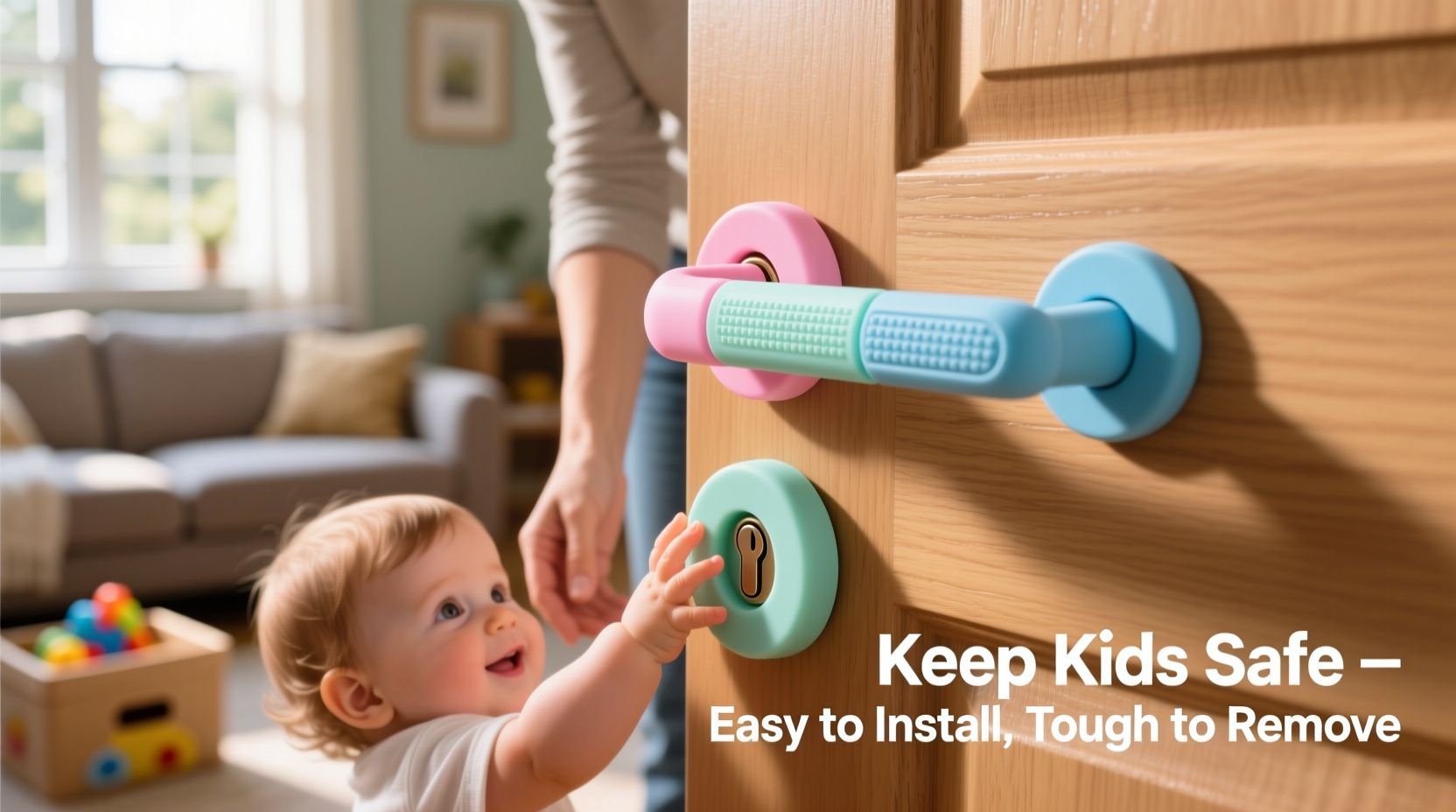
Children between the ages of 6 months and 4 years are naturally curious and increasingly mobile. They learn by exploring, often without understanding danger. A standard door handle is easy for small hands to grasp and turn, granting access to rooms that may contain risks—hot appliances, cleaning supplies, pools, or stairs. According to the U.S. Consumer Product Safety Commission (CPSC), thousands of children are treated annually for injuries related to doors and windows, many of which could be prevented with proper childproofing.
Door handle covers act as physical barriers that prevent toddlers from turning or pulling open doors. Unlike locks mounted high on doors—which require adult intervention every time—the right cover allows normal use by adults while remaining inaccessible to children under a certain age and size.
Types of Childproof Door Handle Covers
Not all door handle covers work the same way. Understanding the differences helps you choose the best option for your home and your child’s developmental stage.
- Slip-on Covers: These soft plastic or silicone sleeves fit over round doorknobs. They require grip strength and coordination to remove, making them difficult for toddlers. Most are easy to install and remove without tools.
- Lever Handle Locks: Designed for modern lever-style handles, these typically use a sliding or rotating mechanism that blocks downward motion. Some require a button press or twist to disengage.
- Universal Covers with Straps: These wrap around both the handle and base plate, offering more resistance. Often adjustable, they suit various handle shapes and sizes.
- Magnetic or Key-Release Models: Higher-security options that require a magnet or key fob to unlock. Ideal for exterior doors or gates but may be overkill for interior use.
“Childproofing isn’t about restricting movement—it’s about creating a safe environment where exploration can happen without constant supervision.” — Dr. Linda Reyes, Pediatric Safety Consultant
Choosing the Right Cover: A Step-by-Step Guide
Selecting an effective childproof door handle cover involves more than just picking the first one off the shelf. Follow this sequence to ensure compatibility, safety, and usability.
- Identify the Type of Door Handle: Determine whether you have round knobs, lever handles, or specialty hardware. Measure the diameter and depth to confirm fit.
- Assess the Room’s Risk Level: Prioritize doors to hazardous areas. Exterior doors may need stronger solutions than bedroom doors.
- Test for Ease of Adult Use: Choose a model that adults can operate quickly—even in low light or during emergencies. Avoid overly complex mechanisms.
- Check for Durability and Material Safety: Opt for BPA-free, non-toxic plastics or silicones. The cover should resist cracking or breaking if chewed or dropped.
- Verify Installation Requirements: Most covers are tool-free, but some require screws or adhesives. Ensure the method won’t damage your door finish.
- Read Real User Reviews: Look for feedback on long-term reliability, ease of removal, and whether determined toddlers eventually figure them out.
Do’s and Don’ts of Using Door Handle Covers
| Do’s | Don’ts |
|---|---|
| Install covers on all high-risk doors, not just one or two. | Use a cover that compromises emergency egress—never block escape routes. |
| Check monthly for wear, cracks, or loosening. | Leave doors partially open assuming the cover is enough. |
| Combine with other safety measures like baby gates. | Rely solely on handle covers for stairway or pool access. |
| Teach older siblings how to properly engage/disengage the cover. | Use outdated or recalled models—check CPSC databases regularly. |
Real-Life Example: Preventing Bathroom Accidents
The Thompson family installed slip-on knob covers after their 18-month-old daughter managed to open the bathroom door and turn on the faucet, flooding the room. Initially skeptical, they chose a silicone model with a twist-off design. Within days, they noticed a dramatic reduction in unsupervised access. “It’s not foolproof,” says Mark Thompson, “but it buys us those extra seconds to intervene. Plus, we can still get in fast when needed.” After six months, they added a gate at the hallway entrance for layered protection.
Top Features to Look For
To maximize effectiveness, prioritize products with the following characteristics:
- One-handed adult operation: Essential during nighttime routines or emergencies.
- Clear visual indicators: Some models change color or position when locked.
- Universal fit: Adjustable designs save money and simplify replacements.
- Washable materials: Toddlers touch everything—easy cleaning prevents germ buildup.
- Low profile: Avoid bulky designs that snag clothing or look out of place.
Frequently Asked Questions
Are door handle covers enough to childproof a home?
No single product provides complete protection. Door handle covers are most effective when used as part of a broader safety strategy that includes baby gates, outlet protectors, cabinet locks, and constant supervision. They are a valuable layer—but not a standalone solution.
Can older toddlers figure out how to remove the covers?
Some determined children, especially past age 2.5, may learn to manipulate simpler models. If you notice your child bypassing the cover, upgrade to a more advanced version or combine it with additional barriers. Regularly reassess as your child grows.
Do door handle covers damage the finish on my doors?
High-quality covers made from soft silicone or non-abrasive plastic typically do not cause damage. However, adhesive-based models or poorly fitting rigid plastics may scratch surfaces over time. Always check manufacturer guidelines and test on a small area first.
Final Checklist Before You Install
- ✅ Identify all doors needing protection.
- ✅ Match cover type to handle style.
- ✅ Verify adult accessibility in emergencies.
- ✅ Confirm material safety and durability.
- ✅ Install and test with family members.
- ✅ Schedule monthly inspections.
- ✅ Combine with other safety systems where needed.
Conclusion
Childproof door handle covers are a smart, accessible step toward creating a safer home environment. They’re not just about preventing minor mishaps—they can stop serious accidents before they start. By selecting the right type, installing it correctly, and integrating it into a comprehensive safety plan, parents gain both security and confidence. As your child grows, so should your approach to safety. Reassess your measures regularly, stay informed, and never underestimate the value of a few inches of well-designed plastic standing between curiosity and harm.




 浙公网安备
33010002000092号
浙公网安备
33010002000092号 浙B2-20120091-4
Comments
No comments yet. Why don't you start the discussion?