
A scratch on your car’s surface might seem minor, but over time it can deepen, spread, or lead to rust—especially if moisture seeps in. While professional detailing services offer excellent results, many light to moderate scratches can be repaired at home with the right tools and techniques. With patience and a few household or auto-specific products, you can significantly improve your vehicle’s appearance and protect its resale value without spending hundreds of dollars.
Understanding Car Scratches: Types and Severity
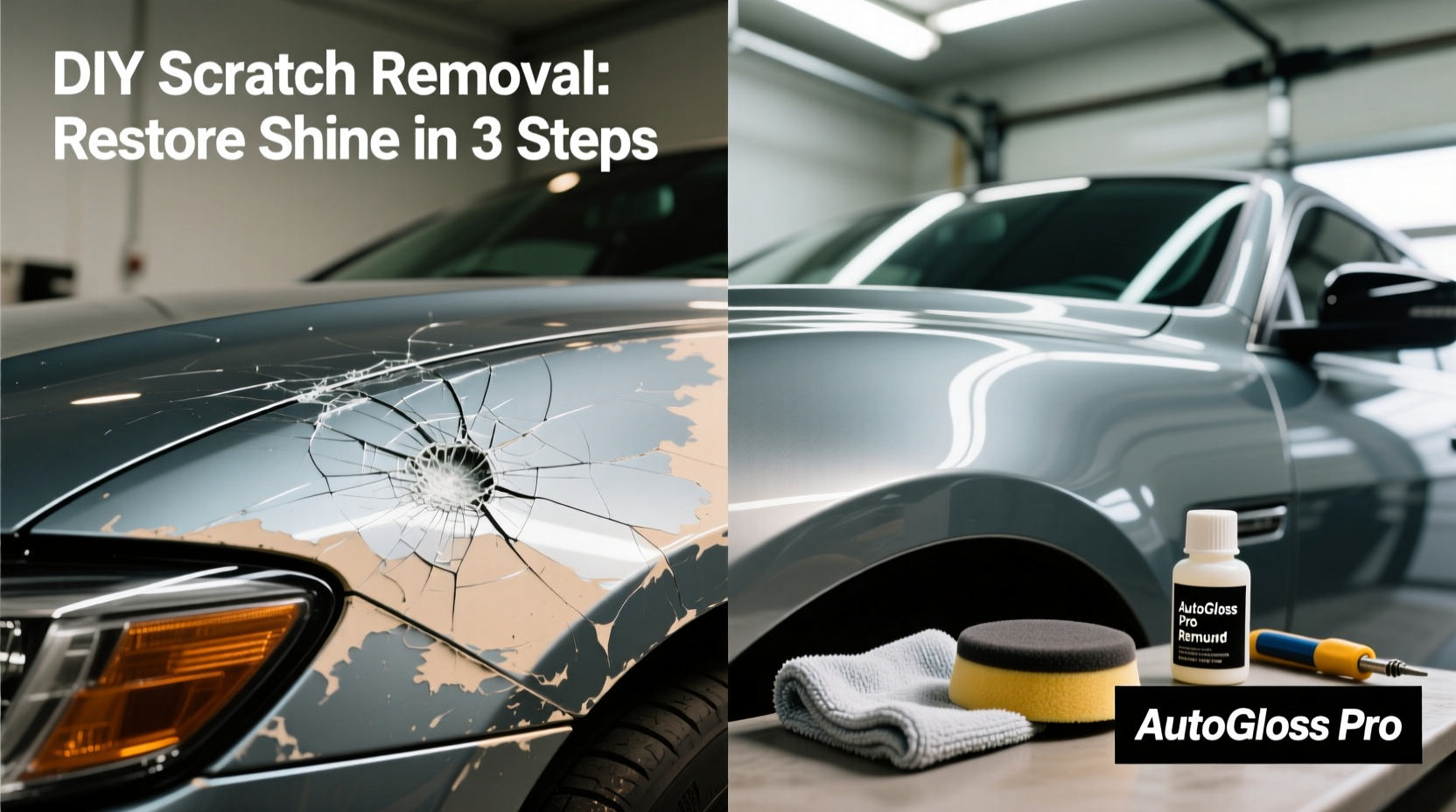
Not all scratches are created equal. Knowing what type of scratch you're dealing with determines whether a DIY fix will work or if professional help is needed.
- Clear Coat Scratches: These are surface-level marks that only affect the top clear coat layer. They appear as faint white or silver lines and often disappear with polishing.
- Paint Layer Scratches: Deeper than clear coat damage, these reach the colored paint beneath. They’re usually visible as darker lines and may require touch-up paint.
- Primer or Metal-Level Scratches: The most severe kind, exposing primer or bare metal. These invite rust and typically need sanding, priming, and repainting beyond most DIY capabilities.
Step-by-Step Guide to Removing Light Scratches
For clear coat and shallow paint scratches, this method uses polishing compounds and microfiber cloths to buff out imperfections.
- Wash the Area: Use car shampoo and a soft sponge to clean the scratched zone. Dirt particles can cause swirl marks during polishing.
- Dry Thoroughly: Use a lint-free microfiber towel to prevent adding new scratches.
- Apply Scratch Remover or Polishing Compound: Choose a product designed for oxidation and fine scratches (e.g., Meguiar's Ultimate Compound). Apply a small amount to a foam applicator pad.
- Buff in Circular Motions: Work the compound into the area using moderate pressure. Continue for 30–60 seconds per section.
- Wipe Off Residue: Use a clean microfiber cloth to remove excess product.
- Evaluate Results: Repeat if necessary. Most light scratches diminish after one or two treatments.
- Seal with Wax: Once the scratch fades, apply a quality carnauba wax to protect the restored finish.
“Polishing doesn’t fill scratches—it removes a microscopic layer of clear coat to level the surface. That’s why it works best on shallow damage.” — Mark Reynolds, Auto Detailing Technician with 15 years of experience
Using Toothpaste as a Quick Fix
Surprisingly, non-gel toothpaste (specifically those containing mild abrasives like baking soda) can temporarily reduce the visibility of fine scratches.
To try this method:
- Clean and dry the area thoroughly.
- Apply a pea-sized amount of toothpaste to a soft cloth.
- Gently rub over the scratch in straight-line motions (following panel direction) for about 60 seconds.
- Rinse off with water and dry.
This won’t repair deep damage, but it can make minor scuffs less noticeable in a pinch. Follow up with wax to lock in the improvement.
Touch-Up Paint for Deeper Scratches
If the scratch has penetrated through the clear coat into the paint, touch-up paint is essential to prevent corrosion and color mismatch.
| Tool/Item | Purpose | Recommended Type |
|---|---|---|
| Touch-Up Paint Pen | Matches factory color for precise application | Color-coded to your VIN or paint code (found on door jamb) |
| Fine-Tip Brush or Needle | Spreads paint evenly into narrow grooves | Use the pen’s built-in brush or a sewing needle for control |
| Isopropyl Alcohol (70%+) | Cleans surface before painting | Ensures no oils interfere with adhesion |
| Clear Coat Pen | Protects paint and blends with surrounding finish | Applied after paint dries (wait 24 hours) |
Process:
- Clean the area with alcohol.
- Apply thin layers of touch-up paint using short strokes. Avoid overfilling.
- Let each layer dry for 15–20 minutes before reapplying. Two to three coats are usually sufficient.
- Wait 24 hours, then apply a clear coat to seal and blend.
- After another 48 hours, lightly polish around the area to smooth any raised edges.
Mini Case Study: Repairing a Door Panel Scratch
Jamie, a sedan owner in Portland, noticed a key-like scratch along her front passenger door after returning from work. The mark was shallow but visible under sunlight. She decided to try a DIY fix before visiting a body shop.
First, she washed the door and inspected the scratch. Her nail caught slightly, indicating it reached the paint layer. She ordered a touch-up pen matching her car’s paint code (found on the driver’s side door frame sticker).
She cleaned the area with alcohol, applied three thin layers of paint over two days, then sealed it with a clear coat. After waiting 48 hours, she used a polishing compound to blend the edges. From a normal viewing distance, the scratch became nearly invisible. Total cost: $22. Estimated shop repair quote: $180.
Do’s and Don’ts of DIY Scratch Repair
| Do’s | Don’ts |
|---|---|
| Test products on an inconspicuous area first | Use steel wool or abrasive pads on painted surfaces |
| Work in shaded, cool conditions to prevent premature drying | Apply thick globs of touch-up paint |
| Use manufacturer-recommended paint codes | Ignore surrounding swirl marks—they’ll draw attention post-repair |
| Follow up with wax or ceramic spray for protection | Expect miracles from toothpaste on deep scratches |
FAQ
Can I use WD-40 to remove car scratches?
No. WD-40 is a lubricant and rust dissolver, not a polish. It may temporarily obscure a scratch by filling it with oil, but the effect vanishes once wiped or exposed to rain. It offers no real repair and can attract dust.
How long does touch-up paint take to cure fully?
Surface dry time is 20–30 minutes, but full chemical cure takes 5–7 days. During this period, avoid washing the car or exposing it to moisture to ensure durability.
Will polishing remove too much clear coat over time?
Yes. Each polishing session removes a microscopic layer. Most modern cars have 50–100 microns of clear coat. Experts recommend limiting machine polishing to 3–5 times over a vehicle’s lifetime. For DIYers, hand polishing is safer and removes less material.
Checklist: DIY Scratch Repair at a Glance
- ☐ Identify scratch depth (clear coat, paint, or metal)
- ☐ Wash and dry the affected panel
- ☐ Gather supplies: compound, microfiber cloths, touch-up paint (if needed), clear coat, applicators
- ☐ Buff light scratches with polishing compound
- ☐ Clean deeply with alcohol before paint application
- ☐ Apply touch-up paint in thin, even layers
- ☐ Seal with clear coat and allow proper drying time
- ☐ Polish surrounding area to blend finish
- ☐ Protect with wax or ceramic coating
Conclusion
Removing scratches from your car doesn’t always require a trip to the auto shop. With careful assessment and the right approach, most minor to moderate damage can be addressed effectively at home. Whether you're using a polishing compound, a tube of toothpaste, or a precision paint pen, consistency and attention to detail yield the best results. Regular maintenance not only improves aesthetics but also prevents long-term deterioration.




 浙公网安备
33010002000092号
浙公网安备
33010002000092号 浙B2-20120091-4
Comments
No comments yet. Why don't you start the discussion?