
Facial redness is a common skin concern that affects millions. Whether it's due to rosacea, sensitive skin, environmental stressors, or inflammation, persistent redness can impact confidence and comfort. While over-the-counter products may offer temporary relief, long-term solutions often lie in gentle, natural care combined with consistent habits. The good news? You don’t need a dermatologist appointment or prescription creams to begin calming your skin. With the right knowledge and simple ingredients found in most kitchens, you can effectively reduce redness and restore balance—naturally.
Understanding Facial Redness: Causes and Triggers
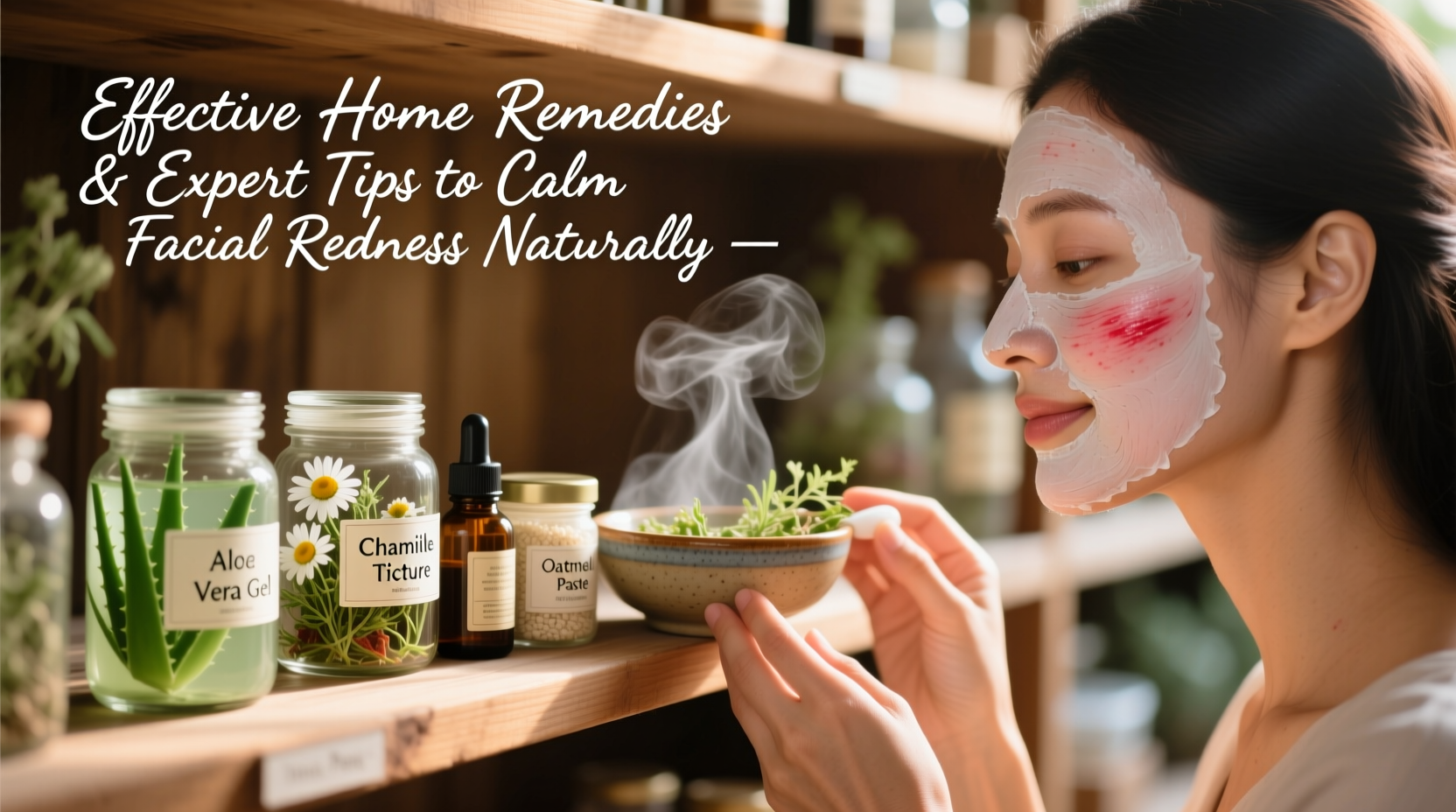
Facial redness occurs when blood vessels near the skin’s surface dilate, increasing blood flow and causing visible flushing. This reaction can be temporary—like after exercise or spicy food—or chronic, as seen in conditions like rosacea or eczema. Common causes include:
- Environmental factors: Wind, sun exposure, extreme temperatures
- Irritating skincare products: Alcohol-based toners, synthetic fragrances, exfoliants
- Dietary triggers: Spicy foods, alcohol, caffeine
- Hormonal changes: Menopause, pregnancy, stress-related cortisol spikes
- Skin conditions: Rosacea, acne, dermatitis, lupus
Identifying your personal triggers is the first step toward managing redness. Keeping a daily journal of flare-ups—linked to diet, weather, or product use—can reveal patterns and help you make informed choices.
Natural Home Remedies That Work
Many kitchen staples have anti-inflammatory, antioxidant, and soothing properties that directly target redness at its source. These remedies are cost-effective, accessible, and free from synthetic additives that could worsen sensitivity.
Aloe Vera Gel
Fresh aloe vera gel contains compounds like glycoproteins and polysaccharides that accelerate healing and reduce inflammation. Apply a thin layer of pure aloe (from the plant or 100% organic store-bought gel) to clean skin twice daily. Leave on for 20 minutes before rinsing or use as an overnight mask.
Green Tea Compress
Rich in epigallocatechin gallate (EGCG), green tea combats oxidative stress and constricts blood vessels. Brew two bags in hot water, cool completely, then soak a soft cloth and apply to red areas for 10 minutes. Use daily during flare-ups.
Oatmeal Soothing Mask
Colloidal oatmeal has been clinically shown to relieve itching and irritation. Mix two tablespoons of finely ground oats with enough water or honey to form a paste. Apply gently, leave for 15 minutes, then rinse with cool water.
Potato Juice
Potatoes contain catecholase, an enzyme with natural bleaching and cooling effects. Grate one raw potato, extract the juice, and dab onto red zones with a cotton pad. Rinse after 10–15 minutes.
Coconut Oil (Use with Caution)
While coconut oil is moisturizing, it’s comedogenic and may not suit acne-prone or oily skin. For dry, sensitive types, a tiny amount can reinforce the skin barrier. Always patch-test first.
“Natural doesn’t always mean safe for every skin type. Even gentle ingredients like honey or essential oils can trigger reactions in highly reactive individuals.” — Dr. Lena Torres, Board-Certified Dermatologist
Expert-Backed Skincare Habits to Reduce Redness
Beyond spot treatments, long-term improvement comes from a holistic approach to skin health. Dermatologists emphasize consistency, minimalism, and protection.
1. Simplify Your Routine
Overloading your skin with serums, acids, and actives disrupts the moisture barrier, making redness worse. Stick to a four-step regimen: cleanse, tone (alcohol-free), treat (soothing serum), moisturize.
2. Choose Gentle Ingredients
Look for products containing:
- Niacinamide: Strengthens the skin barrier and reduces inflammation
- Ceramides: Restore lipid layers and prevent moisture loss
- Centella Asiatica (Cica): Calms irritation and supports healing
- Chamomile Extract: Natural anti-inflammatory with mild antiseptic properties
3. Protect Daily with Mineral Sunscreen
UV radiation is a major trigger for redness and capillary damage. Use a broad-spectrum SPF 30+ with zinc oxide or titanium dioxide—mineral filters are less irritating than chemical ones.
Do’s and Don’ts: A Quick Reference Table
| Do’s | Don’ts |
|---|---|
| Use fragrance-free, hypoallergenic products | Use scrubs or physical exfoliants on inflamed skin |
| Wash face with fingertips only—no washcloths | Apply hot compresses or steam facials frequently |
| Store skincare in a cool, dark place | Layer multiple active ingredients (vitamin C, retinol, acids) |
| Pat skin dry—never rub | Skip sunscreen on cloudy days |
| Stay hydrated and maintain a balanced diet | Pop pimples or pick at irritated areas |
Real-Life Example: Managing Rosacea Naturally
Sarah, a 34-year-old teacher from Portland, struggled with recurring facial redness for years. After a diagnosis of mild rosacea, she avoided prescribed medications due to concerns about side effects. Instead, she adopted a natural protocol: replacing her foaming cleanser with a milky alternative, applying cooled green tea compresses twice weekly, and eliminating spicy foods and red wine. Within six weeks, her baseline redness decreased significantly. She now maintains clear skin with a minimalist routine and seasonal adjustments based on weather changes.
Her experience underscores a key truth: consistency and self-awareness are more powerful than any single remedy.
Step-by-Step Evening Routine for Sensitive, Redness-Prone Skin
Follow this 15-minute nightly ritual to soothe and repair your skin:
- Cleanse gently: Use a non-foaming, cream-based cleanser with lukewarm water. Massage lightly for 30 seconds, then rinse and pat dry.
- Tone with rose water: Soak a cotton pad and sweep across face. Rose water balances pH and calms irritation.
- Apply a niacinamide serum: Use 2–3 drops on damp skin. Let absorb for 2 minutes.
- Spot-treat with aloe or cica cream: Dab onto persistently red areas.
- Moisturize: Seal everything with a lightweight, ceramide-rich moisturizer.
- Optional mask: Once weekly, use an oatmeal-honey mask for 10 minutes before step 1.
This routine supports barrier function, reduces inflammation, and promotes overnight recovery.
Frequently Asked Questions
Can drinking more water reduce facial redness?
Yes, indirectly. Dehydration weakens the skin barrier, making it more susceptible to irritants and redness. Drinking adequate water (about 2 liters daily) supports overall skin resilience, though it won't cure underlying conditions like rosacea.
Is apple cider vinegar safe for facial redness?
No. Despite popular claims, undiluted or even diluted ACV is highly acidic (pH 2–3) and can disrupt your skin’s natural pH (around 5.5), leading to burns, dryness, and worsened redness. Avoid direct facial application.
How long does it take for natural remedies to work?
Mild redness may improve within 1–2 weeks of consistent care. Chronic conditions like rosacea require 6–8 weeks to show noticeable change. Patience and routine adherence are essential.
Final Thoughts: Empower Your Skin Naturally
Facial redness doesn’t have to control your confidence or daily routine. By combining time-tested home remedies with science-backed skincare principles, you can nurture calmer, healthier skin from within. The goal isn’t perfection—it’s progress. Start small: swap one harsh product, try a green tea compress, or simply switch to cooler water. Over time, these choices compound into real transformation.




 浙公网安备
33010002000092号
浙公网安备
33010002000092号 浙B2-20120091-4
Comments
No comments yet. Why don't you start the discussion?