
Skunks are generally peaceful creatures, but when startled or cornered, they release a pungent spray as a defense mechanism. If your dog encounters one, the odor can be overwhelming—lingering on fur, skin, and even indoors. Commercial deodorizers exist, but many pet owners prefer safe, affordable, and accessible home remedies. The good news is that with the right approach, you can neutralize the smell effectively without harming your pet. This guide covers proven methods, step-by-step solutions, and essential prevention strategies to keep both your dog and home skunk-spray-free.
Understanding Skunk Spray Chemistry
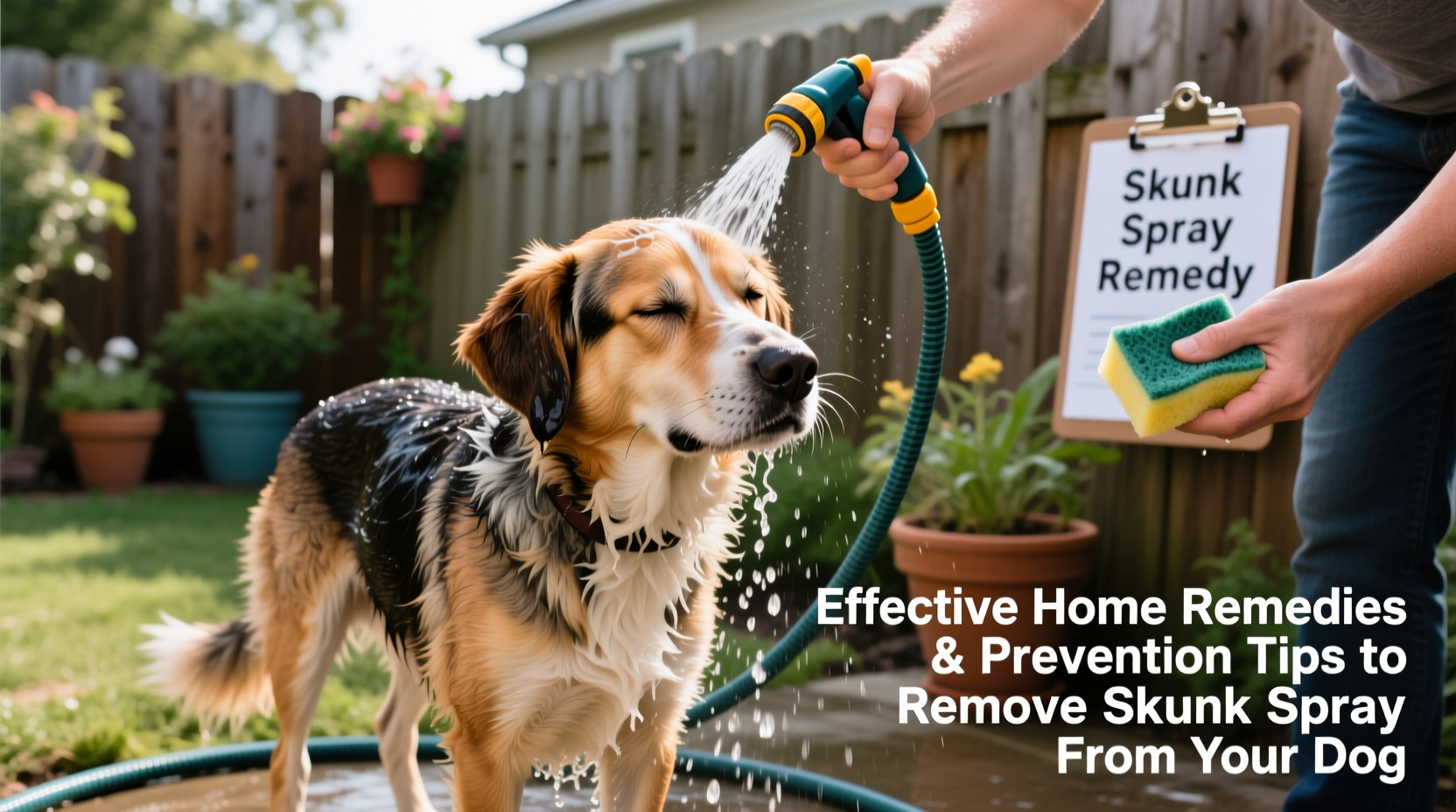
Skunk spray contains sulfur-based compounds called thiols, which are responsible for the intense, eye-watering odor. These molecules bind strongly to proteins in your dog’s fur and skin, making water alone ineffective. Unlike masking agents (like perfumes), true remedies must chemically neutralize the thiols. That’s why tomato juice, while popular, doesn’t actually break down the odor—it only masks it temporarily. Effective solutions rely on oxidation, which transforms the thiols into odorless compounds.
“Neutralizing skunk odor isn’t about covering it up—it’s about changing its chemical structure. Oxidation is the key.” — Dr. Laura Simmons, Veterinary Dermatology Specialist
Step-by-Step Guide: Removing Skunk Spray Safely at Home
Act quickly after exposure. The sooner you treat your dog, the better your chances of minimizing odor absorption and preventing it from spreading inside your home.
- Keep your dog outside – Avoid bringing them indoors until treated to prevent contamination of furniture, carpets, and air.
- Protect yourself – Wear gloves and old clothes. The spray can irritate skin and eyes.
- Flush the eyes and mouth if affected – Use sterile saline solution or clean water if your dog was sprayed in the face.
- Apply a neutralizing wash – Use the recipe below immediately.
- Rinse thoroughly and repeat if necessary – Some cases require a second application.
- Wash bedding and collar – These often retain odor even after treatment.
The Gold Standard Home Remedy: DIY Skunk Odor Neutralizer
This widely recommended formula, developed by chemist Paul Krebaum, uses common household ingredients to oxidize thiols and eliminate odor at the molecular level.
| Ingredient | Amount | Purpose |
|---|---|---|
| Hydrogen peroxide (3%) | 1 quart (approx. 1 liter) | Oxidizes thiols to odorless sulfonates |
| Baking soda | ¼ cup | Boosts oxidation and acts as a mild cleanser |
| Liquid dish soap | 1–2 teaspoons | Cuts through oil and helps lift residue |
Mix all ingredients in an open container just before use. Apply directly to your dog’s coat, avoiding eyes, ears, and nose. Massage gently for 5 minutes, then rinse thoroughly with water. Follow with a pet-safe shampoo if desired. This mixture works within minutes and typically eliminates 90% of the odor in one application.
Alternative Remedies When Peroxide Isn’t Available
If hydrogen peroxide is out of stock or unsuitable (e.g., for dogs with sensitive skin), consider these alternatives:
- Vinegar and water rinse: Mix 1 part white vinegar with 3 parts water. Soak the coat, wait 10 minutes, then rinse. Less effective than peroxide but helps reduce odor.
- Activated charcoal paste: Mix charcoal powder with water to form a paste. Apply to fur, let dry, then brush out. Charcoal absorbs odor-causing molecules.
- Commercial enzymatic cleaners: Products like Nature’s Miracle contain enzymes that break down organic compounds, including skunk thiols. Safe for pets and fabrics.
Note: Avoid using tomato juice, coffee, or essential oils—they don’t neutralize the chemicals and may irritate your dog’s skin.
Prevention Tips to Keep Your Dog Skunk-Spray-Free
Preventing exposure is far easier than treating it. Skunks are nocturnal and most active during spring and summer. Dogs exploring wooded areas, under decks, or near garbage bins are at higher risk.
- Secure outdoor spaces
- Seal gaps under sheds and decks where skunks may den.
- Supervise evening walks
- Keep your dog on a leash during dusk and dawn hours.
- Remove attractants
- Store pet food indoors and secure trash cans with tight lids.
- Install motion-sensor lighting
- Bright lights can deter nocturnal animals from approaching your yard.
Mini Case Study: How One Family Handled a Skunk Encounter
In rural Wisconsin, the Thompson family’s Labrador, Max, was sprayed near their barn one summer evening. They followed the peroxide-baking soda recipe within 20 minutes of exposure. After two applications and washing his collar and bed, the odor was gone by morning. Crucially, they kept Max outside during treatment and aired out the garage where he waited. By taking fast action and avoiding common myths like bathing in tomato juice, they resolved the issue without professional help or lingering smells.
Do’s and Don’ts of Skunk Spray Removal
| Do | Don’t |
|---|---|
| Use the hydrogen peroxide mixture promptly | Delay treatment—odor sets in quickly |
| Wear gloves and work outdoors | Bring a sprayed dog inside untreated |
| Rinse eyes with saline if affected | Use harsh chemicals like bleach |
| Wash all items the dog contacted | Reuse the peroxide mix—discard after use |
| Consult a vet if irritation persists | Assume the smell will fade on its own |
FAQ
Can skunk spray make my dog sick?
Generally, skunk spray isn’t toxic, but large amounts inhaled or ingested can cause nausea, drooling, or eye irritation. In rare cases, it may lead to anemia in dogs, especially if they’re exposed repeatedly. If your dog shows signs of lethargy, vomiting, or difficulty breathing, contact your veterinarian immediately.
Will the peroxide solution bleach my dog’s fur?
Yes, it may lighten dark or black coats, especially with repeated use. This effect is temporary and usually fades after a few weeks. For dogs with sensitive skin or light-colored fur, consider a diluted version or consult your vet before use.
How long does the skunk smell last if untreated?
On untreated fur, the odor can linger for up to three weeks. Indoors, it may persist even longer as volatile compounds off-gas from fabrics and surfaces. Immediate treatment drastically reduces this timeline.
Checklist: What to Do Immediately After a Skunk Encounter
- ✅ Keep your dog outside
- ✅ Put on gloves and protective clothing
- ✅ Check for eye or mouth exposure
- ✅ Prepare the peroxide-baking soda solution
- ✅ Bathe your dog thoroughly, avoiding sensitive areas
- ✅ Rinse well and repeat if needed
- ✅ Wash collar, leash, and bedding
- ✅ Ventilate any indoor areas the dog entered
Conclusion
Dealing with skunk spray is unpleasant, but with the right knowledge, it’s entirely manageable at home. The hydrogen peroxide, baking soda, and dish soap remedy remains the most effective and scientifically backed solution. Acting fast, avoiding common misconceptions, and following proper safety steps ensure your dog stays comfortable and your home remains odor-free. Prevention through environmental management and training further reduces future risks. With these tools in hand, you’re well-prepared to handle—and avoid—skunk-related surprises.




 浙公网安备
33010002000092号
浙公网安备
33010002000092号 浙B2-20120091-4
Comments
No comments yet. Why don't you start the discussion?