
Constipation in dogs is more common than many pet owners realize, but it shouldn’t be ignored. When your dog struggles to pass stool or hasn’t defecated in over 48 hours, discomfort can escalate into serious health issues like obstipation or megacolon. While occasional irregularity may resolve on its own, timely intervention using safe, effective methods—both at-home and under veterinary guidance—is essential. This guide combines time-tested home remedies with veterinarian-backed strategies to help your dog find relief quickly and safely.
Understanding Canine Constipation: Causes and Warning Signs
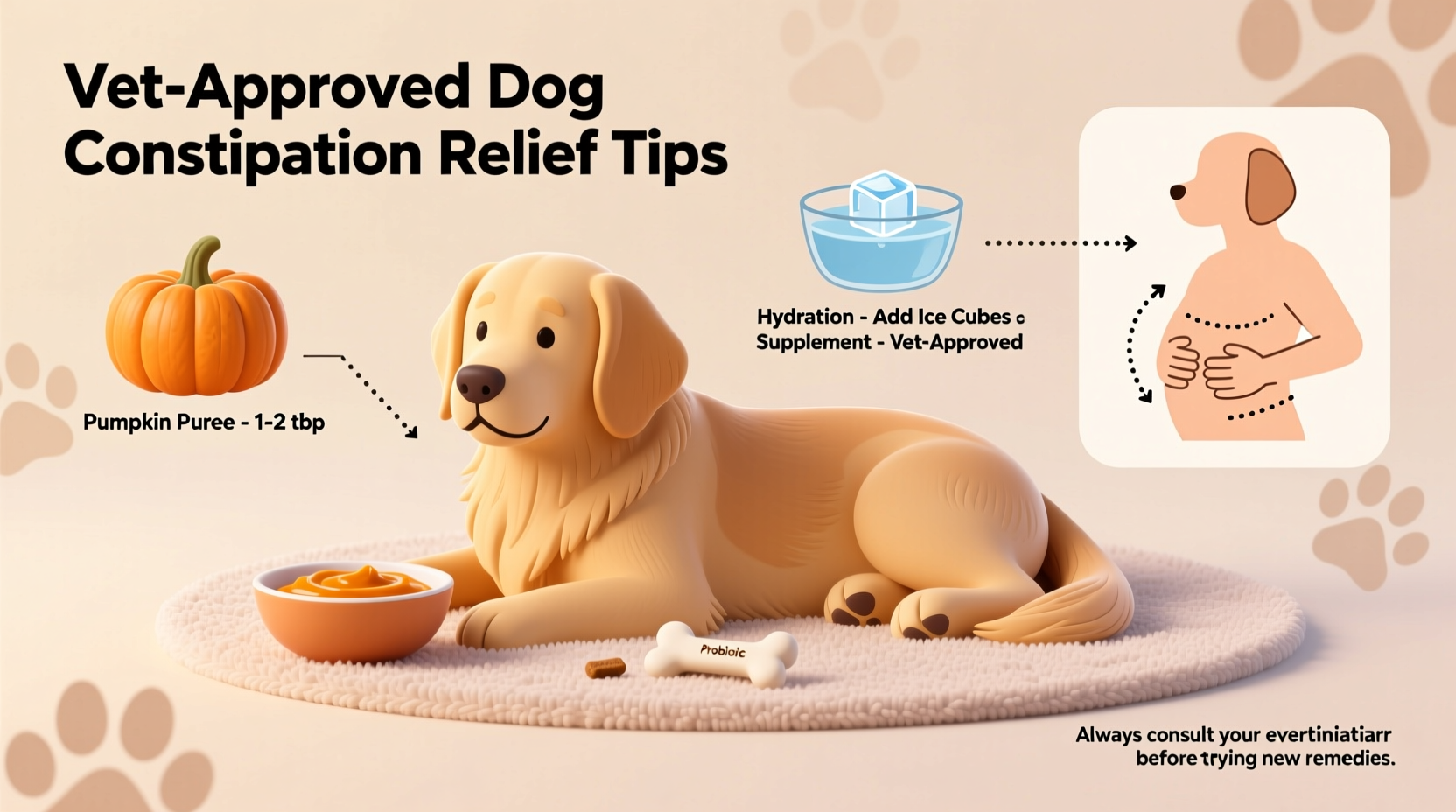
Dogs become constipated for various reasons, ranging from dietary imbalances to underlying medical conditions. Common causes include dehydration, ingestion of indigestible materials (like bones or toys), lack of exercise, medication side effects, anal gland issues, or orthopedic pain that makes squatting difficult.
Early signs of constipation include straining during bowel movements, producing small or hard stools, frequent unproductive trips outside, whining near the litter area, or licking the anus excessively. In advanced cases, dogs may show lethargy, loss of appetite, vomiting, or even abdominal bloating.
“Persistent constipation can lead to systemic illness if not addressed promptly. Early recognition and action are key.” — Dr. Lena Peterson, DVM, Small Animal Internal Medicine Specialist
Vet-Approved Home Remedies for Fast Relief
Many mild cases of canine constipation respond well to gentle, natural interventions. These remedies are supported by veterinarians as first-line approaches when no red flags (such as vomiting or severe pain) are present.
Pumpkin: The Gold Standard Fiber Boost
Canned pure pumpkin (not pie filling) is rich in soluble and insoluble fiber, which helps regulate bowel movements. It adds bulk to the stool while drawing water into the intestines, softening it for easier passage.
Dosage guidelines:
- Small dogs (under 10 lbs): ½ teaspoon daily
- Medium dogs (10–50 lbs): 1–2 tablespoons daily
- Large dogs (over 50 lbs): 2–4 tablespoons daily
Hydration Support: Warm Water and Broth
Dehydration is a major contributor to hard, dry stools. Encourage fluid intake by offering warm, low-sodium chicken or beef broth. The warmth stimulates intestinal motility, and the flavor entices reluctant drinkers.
You can also add a splash of broth to your dog’s water bowl or offer ice cubes made from bone broth for slow hydration.
Olive Oil or Coconut Oil: Natural Lubricants
A small amount of olive or coconut oil can act as a mild lubricant and stool softener. It coats the intestinal tract and adds healthy fats that stimulate bile flow, aiding digestion.
Recommended dosage:
- Toy breeds: ¼ teaspoon
- Medium dogs: ½ to 1 teaspoon
- Large breeds: 1 tablespoon
Step-by-Step Guide to Relieving Dog Constipation in 72 Hours
If your dog hasn't had a bowel movement in two days but seems otherwise alert and active, follow this structured approach:
- Day 1: Add 1–2 tablespoons of plain canned pumpkin to each meal. Increase fresh water availability and take your dog on two 20-minute walks to stimulate gut motility.
- Day 2: Continue pumpkin. Introduce a teaspoon of olive oil (adjusted for size) into one meal. Offer warm broth between meals. Monitor for straining or discomfort.
- Day 3: If no stool has passed, gently massage the abdomen in circular motions for 3–5 minutes after walks. Consider a vet-recommended dose of psyllium husk (e.g., Metamucil) at 1 tsp per 10 lbs of body weight, mixed with food—only if cleared by your vet.
- Day 4: No improvement? Contact your veterinarian immediately. Prolonged constipation may require prescription laxatives, enemas, or imaging to rule out blockages.
Do’s and Don’ts When Treating Constipation at Home
| Do’s | Don’ts |
|---|---|
| Offer plain canned pumpkin | Use milk as a laxative (many dogs are lactose intolerant) |
| Encourage moderate exercise | Give human laxatives like Dulcolax (toxic to dogs) |
| Provide fresh water and warm broth | Force enemas at home without vet instruction |
| Contact your vet early if no improvement | Ignore signs of pain, vomiting, or bloating |
| Monitor stool frequency and consistency | Feed bones or fatty table scraps during recovery |
When to See a Veterinarian: Red Flags
While mild constipation can often be managed at home, certain symptoms demand immediate veterinary attention:
- No bowel movement in over 72 hours
- Straining without producing stool
- Vomiting, especially repeated episodes
- Visible abdominal distension or pain
- Lethargy, refusal to eat, or whimpering when touched
- Bloody stool or black, tarry feces
In such cases, your vet may perform X-rays or ultrasound to check for obstructions, administer safe enemas, prescribe medications like lactulose or cisapride, or recommend hospitalization if dehydration or toxicity is suspected.
Real Example: Max, the Senior Labrador
Max, a 9-year-old Labrador, stopped defecating after switching to a new dry kibble with lower moisture content. His owner noticed him circling the yard repeatedly but returning inside empty. After 48 hours, she added two tablespoons of pumpkin to each meal and began twice-daily short walks. By the third day, Max passed a large, firm stool and resumed normal bathroom habits. A follow-up with his vet confirmed mild dehydration and led to a recommendation for increased wet food and joint supplements to ease mobility-related straining.
Prevention Checklist: Keep Your Dog Regular
Preventing recurrence is just as important as treating the initial episode. Follow this checklist to maintain digestive health:
- ✅ Feed a balanced diet with adequate fiber (ask your vet about high-fiber prescription foods if needed)
- ✅ Ensure constant access to clean, fresh water
- ✅ Provide daily exercise—even short walks stimulate colon activity
- ✅ Avoid feeding bones, rawhide, or foreign objects
- ✅ Schedule regular anal gland expression if your dog has a history of impaction
- ✅ Monitor bowel movements weekly—note frequency, consistency, and effort
- ✅ Reassess diet in senior dogs, who are prone to slower motility
Frequently Asked Questions
Can I give my dog Miralax for constipation?
Yes, but only under veterinary supervision. Many vets recommend Miralax (polyethylene glycol 3350) at a dose of 1/8 to 1/4 teaspoon per 10 pounds of body weight, mixed with food once daily. Never use flavored or sugared versions, and discontinue if diarrhea develops.
Is it safe to use mineral oil for dog constipation?
Mineral oil is generally not recommended due to aspiration risk. If inhaled—even slightly—it can cause severe lung inflammation (lipid pneumonia). Safer alternatives like pumpkin or vet-prescribed laxatives are preferred.
How long does it take for pumpkin to work in dogs?
Most dogs respond within 24 to 72 hours. Consistency improves gradually, and full relief typically occurs by the second or third day of treatment when combined with hydration and activity.
Final Thoughts: Act Early, Act Wisely
Constipation in dogs doesn’t have to turn into a crisis. With prompt attention, proper hydration, fiber supplementation, and physical activity, most cases resolve quickly and safely. The key is recognizing the signs early and knowing when to transition from home care to professional help. Always consult your veterinarian before starting any new remedy—especially for puppies, seniors, or dogs with chronic conditions.




 浙公网安备
33010002000092号
浙公网安备
33010002000092号 浙B2-20120091-4
Comments
No comments yet. Why don't you start the discussion?