
A dry, itchy scalp affects millions of people worldwide, often leading to discomfort, flaking, and even hair loss if left untreated. While commercial shampoos and treatments are widely available, many contain harsh chemicals that can worsen irritation over time. Turning to natural home remedies offers a gentler, cost-effective alternative that targets the root causes—such as sebum imbalance, fungal growth, or environmental stressors—without stripping the scalp of its natural oils.
This guide explores scientifically backed, easy-to-prepare solutions using ingredients found in most kitchens. From hydrating oils to anti-inflammatory herbs, these remedies support long-term scalp health while providing immediate relief from itching and tightness.
Understanding the Causes of Dry, Itchy Scalp
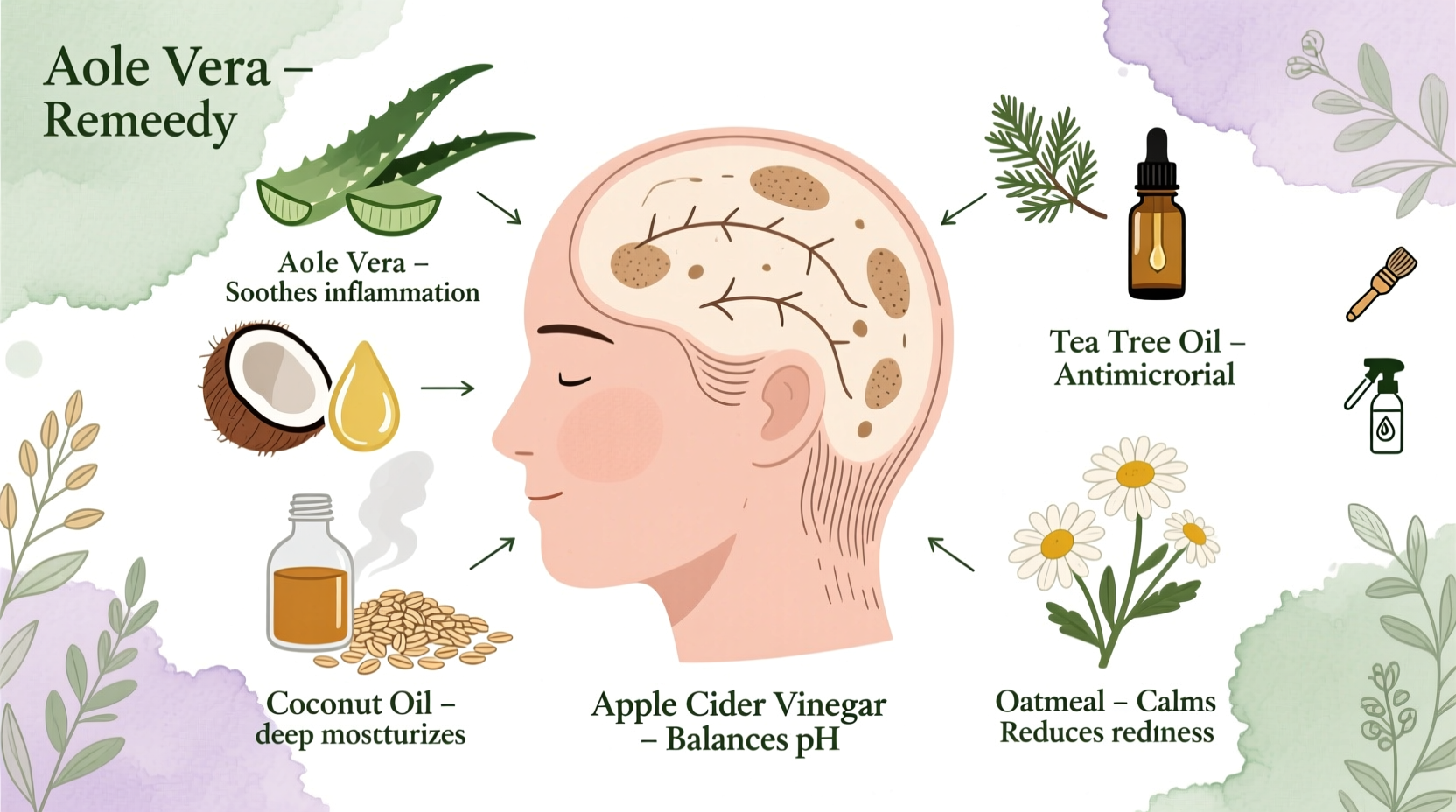
Before applying any remedy, it’s essential to understand what might be triggering your symptoms. A dry scalp isn’t always dandruff—though the two are often confused. Dandruff typically involves oily flakes caused by an overgrowth of Malassezia yeast, whereas dry scalp produces smaller, powdery flakes due to lack of moisture.
Common contributors include:
- Low humidity: Especially during winter months, indoor heating reduces air moisture.
- Overwashing: Frequent shampooing strips natural oils needed for scalp hydration.
- Sensitivity to products: Sulfates, parabens, and synthetic fragrances may cause irritation.
- Nutritional deficiencies: Lack of omega-3 fatty acids, zinc, or B vitamins impacts skin integrity.
- Underlying conditions: Psoriasis, eczema, or seborrheic dermatitis require medical attention but can benefit from supportive care.
Identifying the cause helps determine whether a moisturizing, antifungal, or anti-inflammatory approach is best. Most natural remedies address multiple factors at once, making them ideal for general use.
Natural Oils for Deep Hydration and Relief
Certain plant-based oils penetrate the scalp effectively, restoring lipid balance and calming inflammation. Unlike mineral oil or petroleum-based products, natural oils deliver bioactive compounds that nourish follicles and inhibit microbial growth.
Coconut Oil
Rich in lauric acid, coconut oil has antimicrobial and moisturizing properties. A 2003 study published in *Dermatitis* found that topical application reduced transepidermal water loss by up to 39%, significantly improving skin barrier function.
Jojoba Oil
Molecularly similar to human sebum, jojoba oil mimics the scalp’s natural oils, preventing overproduction while maintaining moisture. Its wax esters form a protective layer without clogging pores.
Tea Tree Oil (Diluted)
Potent against fungi and bacteria, tea tree oil is particularly effective for dandruff-related itchiness. A clinical trial in the *Journal of the American Academy of Dermatology* showed that 5% tea tree oil shampoo reduced scalp severity by 41% after four weeks.
“Natural oils like coconut and jojoba don’t just moisturize—they actively repair the scalp’s lipid matrix, which is crucial for long-term comfort.” — Dr. Lena Patel, Holistic Dermatologist
Step-by-Step Guide: How to Apply Oil Treatments
Oils work best when applied correctly and consistently. Follow this timeline for optimal results:
- Day 1 – Patch Test: Apply a few drops behind your ear or on the inner forearm. Wait 24 hours to check for redness or rash.
- Day 2 – Warm the Oil: Heat 2–3 tablespoons of coconut or jojoba oil until warm (not hot). Use a double boiler or microwave in 10-second intervals.
- Day 2 – Section Hair: Divide hair into 4–6 sections to ensure full scalp access.
- Day 2 – Massage In: Using fingertips, gently massage oil into the scalp in circular motions for 5–10 minutes. Focus on itchy areas.
- Wait 30–60 Minutes: Cover hair with a shower cap to prevent transfer and enhance absorption.
- Shampoo Out: Wash with a mild sulfate-free shampoo. You may need to shampoo twice to fully remove residue.
- Repeat Weekly: For maintenance, apply once weekly. For acute symptoms, increase to twice weekly for two weeks, then reduce frequency.
Herbal Rinses and Soothing Solutions
Herbs have been used for centuries to treat scalp disorders due to their anti-inflammatory, antimicrobial, and astringent qualities. These rinses are simple to prepare and can be integrated into your regular hair care routine.
Aloe Vera Gel
Fresh aloe vera gel cools irritated skin and promotes healing. Its proteolytic enzymes reduce dead skin buildup, helping alleviate flaking. Apply pure gel directly to the scalp, leave for 20 minutes, then rinse.
Apple Cider Vinegar Rinse
The acetic acid in apple cider vinegar alters scalp pH, creating an inhospitable environment for fungus. Mix 2 tablespoons raw, unfiltered ACV with 1 cup water. After shampooing, pour over scalp, wait 5 minutes, then rinse thoroughly.
Green Tea Rinse
Rich in catechins, green tea combats oxidative stress and reduces sebum production. Brew two tea bags in one cup of hot water, cool completely, then apply to scalp for 10 minutes before rinsing.
| Remedy | Key Benefit | Frequency |
|---|---|---|
| Aloe Vera | Hydrates and exfoliates gently | 2–3 times/week |
| Apple Cider Vinegar | Balances pH, fights fungus | Once every 5–7 days |
| Green Tea | Reduces inflammation, supports circulation | 2 times/week |
| Oatmeal Paste | Soothes intense itching | As needed (max 2x/week) |
Mini Case Study: Sarah’s Journey to a Calmer Scalp
Sarah, a 34-year-old teacher from Oregon, struggled with seasonal scalp flare-ups every winter. She described her scalp as “tight, flaky, and constantly itchy,” especially behind the ears and along the hairline. Over-the-counter dandruff shampoos provided temporary relief but caused increased dryness over time.
She began incorporating a weekly coconut oil treatment followed by a diluted apple cider vinegar rinse. Within three weeks, she noticed less flaking and improved hair texture. After six weeks, her itching decreased by 80%. She now maintains her routine monthly and uses aloe vera gel during travel or high-stress periods when symptoms tend to return.
“I was surprised how quickly natural remedies worked,” Sarah said. “No more burning sensation from medicated shampoos—and my hair feels healthier than ever.”
Checklist: Your Natural Scalp Care Routine
To get started, follow this actionable checklist:
- ✅ Identify your primary symptom: dryness, flaking, or itching?
- ✅ Choose one base oil (coconut, jojoba, or olive) based on hair type.
- ✅ Select a complementary rinse (ACV, green tea, or aloe).
- ✅ Perform a patch test before full application.
- ✅ Schedule oil treatments weekly; rinses biweekly.
- ✅ Switch to sulfate-free, fragrance-free shampoo.
- ✅ Stay hydrated and increase intake of omega-3s (chia seeds, walnuts, salmon).
- ✅ Track progress in a journal for at least four weeks.
Common Mistakes to Avoid
Even well-intentioned efforts can backfire if not done properly. Here are frequent errors and how to avoid them:
- Using undiluted essential oils: Never apply tea tree, peppermint, or eucalyptus oil directly—it can cause chemical burns. Always dilute in a carrier oil (max 2–3 drops per tablespoon).
- Overusing vinegar rinses: More than once a week can erode hair cuticles, leading to brittleness.
- Leaving oils on too long: Extended exposure (overnight without protection) may attract dirt or promote yeast growth in sensitive individuals.
- Scratching aggressively: This damages the skin barrier and increases infection risk. Use fingertips to press or tap instead.
- Ignoring diet: Skin health reflects internal balance. Skimping on protein, fats, and hydration undermines topical efforts.
Frequently Asked Questions
Can I use these remedies if I have color-treated hair?
Yes, most natural treatments are safe for colored hair. However, apple cider vinegar may slightly lighten some tones over time. Limit use to once every 10 days and monitor changes. Coconut and jojoba oils are excellent for protecting color vibrancy.
How long before I see results?
Most users report reduced itching within 1–2 weeks. Visible flaking improves in 3–4 weeks with consistent use. Chronic cases may take 6–8 weeks, especially if linked to nutritional or hormonal imbalances.
Are there any side effects?
Rarely, allergic reactions can occur. Discontinue use if you experience redness, swelling, or worsening irritation. Also, excessive oil application may weigh down fine hair—use sparingly and focus only on the scalp, not lengths.
Final Thoughts and Next Steps
Managing a dry, itchy scalp doesn’t require expensive products or prescriptions. Nature provides powerful tools that nurture rather than strip, supporting the scalp’s ability to heal itself. By integrating simple practices like oil massages, herbal rinses, and mindful product choices, you create a sustainable routine that enhances both comfort and confidence.
Start small: pick one remedy, try it for two weeks, and observe how your scalp responds. Adjust based on results, and remember that consistency matters more than intensity. With patience and care, a calm, healthy scalp is well within reach.




 浙公网安备
33010002000092号
浙公网安备
33010002000092号 浙B2-20120091-4
Comments
No comments yet. Why don't you start the discussion?