
The flu is more than just a bad cold—it’s a viral infection that attacks the respiratory system, leaving you fatigued, achy, and often sidelined for days. While medical treatments exist, many people prefer to support their body’s natural healing process at home. With the right combination of rest, nutrition, hydration, and immune-supportive practices, you can significantly reduce symptom severity and shorten recovery time. These evidence-backed strategies empower your body to fight the virus efficiently while avoiding unnecessary medications.
Prioritize Rest and Sleep for Immune Recovery
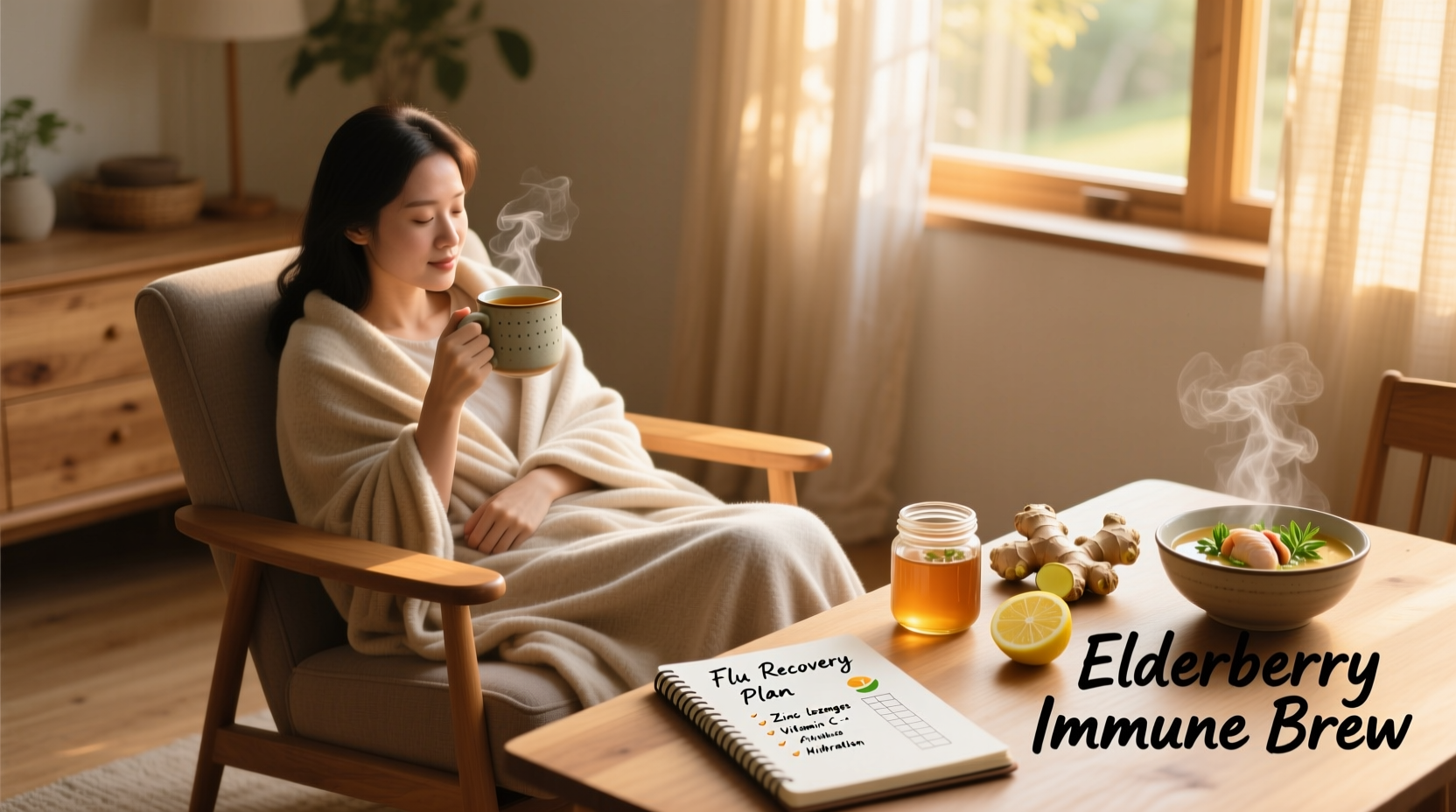
Sleep isn’t just downtime—it’s when your immune system works hardest. During deep sleep, your body produces cytokines, proteins that target infection and inflammation. When you’re fighting the flu, these are critical. Skimping on rest suppresses immune function and prolongs illness.
Aim for 8–10 hours of uninterrupted sleep per night. Create a recovery-friendly environment: keep the room cool and dark, minimize screen exposure before bed, and consider using a humidifier to ease breathing. If you wake frequently due to coughing or congestion, elevate your head with an extra pillow to reduce postnasal drip.
Hydration: The Foundation of Flu Recovery
Dehydration worsens flu symptoms like headache, fatigue, and dizziness. Fever, sweating, and rapid breathing increase fluid loss, making consistent hydration essential. Water alone may not suffice—electrolytes lost through sweat and mucus need replenishing.
Opt for warm fluids, which soothe sore throats and loosen mucus. Ideal choices include:
- Herbal teas (ginger, chamomile, elderberry)
- Warm lemon water with honey
- Clear broths or bone broth
- Diluted fruit juices (avoid high sugar)
- Oral rehydration solutions (like homemade mix: 1L water + 6 tsp sugar + 1/2 tsp salt)
Monitor hydration by checking urine color—pale yellow indicates adequate intake. Dark yellow or amber means you need more fluids.
Nutrition That Fuels Immune Defense
Your body needs energy and nutrients to mount an effective immune response. Appetite loss is common during the flu, but skipping meals slows recovery. Focus on small, frequent, nutrient-dense meals that are easy to digest.
Key immune-supportive foods include:
- Garlic: Contains allicin, which has antiviral and antimicrobial properties.
- Ginger: Reduces inflammation and nausea; can be steeped in tea.
- Citrus fruits: High in vitamin C, which supports white blood cell function.
- Leafy greens: Packed with antioxidants and folate.
- Yogurt with live cultures: Supports gut health, where 70% of the immune system resides.
“Nutrition is medicine during illness. Even if you eat less, make every bite count.” — Dr. Lena Patel, Integrative Medicine Specialist
Do’s and Don’ts of Flu Nutrition
| Do | Don’t |
|---|---|
| Eat soups and broths for hydration and nutrients | Consume sugary drinks or processed snacks |
| Include protein in each meal (eggs, chicken, lentils) | Drink excessive caffeine, which dehydrates |
| Add anti-inflammatory spices (turmeric, cinnamon) | Eat heavy, greasy foods that slow digestion |
| Snack on nuts, seeds, or fruit | Force large meals if nauseous |
Step-by-Step Home Recovery Timeline (Days 1–5)
Recovery doesn’t happen overnight. Following a structured daily routine helps your body heal systematically.
- Day 1 – Rest & Assess: Stay in bed. Monitor symptoms. Begin hydrating with warm liquids. Take baseline temperature. Avoid spreading germs—use tissues, wash hands.
- Day 2 – Boost Immunity: Add garlic and ginger to meals. Sip herbal teas throughout the day. Use a humidifier at night. Limit screen time to preserve energy.
- Day 3 – Maintain Momentum: Continue hydration and light eating. Try steam inhalation for congestion (bowl of hot water, towel over head). Gargle with warm salt water for sore throat relief.
- Day 4 – Gentle Movement: If fever has broken, sit up or walk slowly around the house. Promotes circulation and lung expansion. Still avoid exertion.
- Day 5 – Evaluate Progress: Most symptoms should be improving. Resume normal diet gradually. If symptoms persist or worsen, consult a healthcare provider.
Natural Remedies Backed by Science
While no supplement can “cure” the flu, several have demonstrated supportive roles in reducing symptom duration and intensity.
- Elderberry Syrup: Multiple studies show elderberry extract can reduce flu symptom duration by 2–4 days. It inhibits viral entry into cells.
- Vitamin D: Low levels correlate with increased susceptibility to respiratory infections. If you haven’t been tested, consider a temporary daily dose of 1000–2000 IU during illness.
- Zinc Lozenges: Taken within 24 hours of symptom onset, zinc may shorten illness by interfering with viral replication. Limit use to 5–7 days to avoid copper imbalance.
- Honey: More effective than over-the-counter cough suppressants for nighttime cough in adults and children over 1 year. Mix with warm water or tea.
Always check for interactions—especially if you’re pregnant, managing chronic conditions, or taking medications.
Real Example: Recovering from Flu Without Medication
Sarah, a 34-year-old teacher, came down with sudden chills, body aches, and a dry cough during flu season. Instead of reaching for over-the-counter drugs immediately, she implemented a strict home care plan. She stayed home, slept 9–10 hours nightly, drank ginger-lemon-honey tea hourly, and ate simple meals of vegetable soup and steamed fish. She used a humidifier and practiced nasal rinsing with saline. By day three, her fever broke. By day five, she was able to walk outside briefly. By day seven, she returned to work feeling stronger than after previous flu episodes treated with medication. Her approach focused on supporting her body—not masking symptoms—and she credits this with her faster recovery.
Essential Flu Recovery Checklist
Use this checklist to stay on track during illness:
- ☐ Stay home and avoid contact with others
- ☐ Drink fluids every hour (aim for 8–10 cups daily)
- ☐ Eat small, nutritious meals every 3–4 hours
- ☐ Get 8+ hours of sleep per night
- ☐ Use a humidifier in your bedroom
- ☐ Gargle with salt water 2–3 times daily
- ☐ Take elderberry or zinc within first 24 hours
- ☐ Monitor temperature twice daily
- ☐ Wash hands frequently and disinfect surfaces
- ☐ Call a doctor if fever exceeds 103°F or lasts over 3 days
Frequently Asked Questions
Can you sweat out the flu?
No. While light activity may help circulation once the fever breaks, trying to \"sweat out\" the flu through exercise or saunas stresses the body and can worsen symptoms. Rest is far more effective.
Is it safe to use essential oils for flu relief?
Some essential oils like eucalyptus and tea tree have antimicrobial properties, but they should never be ingested. For aromatherapy, diffuse sparingly or add a few drops to a bowl of hot water for steam inhalation. Always dilute and avoid use around infants or pets.
How do I know if I need medical attention?
Seek medical help if you experience difficulty breathing, chest pain, persistent dizziness, confusion, or symptoms that improve then return with greater severity. These could indicate complications like pneumonia.
Conclusion: Empower Your Body’s Natural Healing
Recovering from the flu naturally isn’t about enduring discomfort—it’s about giving your body the tools it needs to heal efficiently. Hydration, rest, targeted nutrition, and proven home remedies work together to strengthen immunity and shorten illness. You don’t need pharmaceuticals for every symptom. By listening to your body and applying these practical strategies, you can navigate the flu with resilience and return to full health faster.




 浙公网安备
33010002000092号
浙公网安备
33010002000092号 浙B2-20120091-4
Comments
No comments yet. Why don't you start the discussion?