
Puff devices—compact, disposable vapes designed for convenience—are increasingly popular due to their portability and ease of use. However, like any electronic device, they can occasionally freeze, fail to activate, or deliver inconsistent performance. While these devices are not meant to be disassembled or repaired, there are practical steps users can take to safely \"restart\" them and potentially restore functionality. Understanding how to address minor glitches without risking damage is essential for both safety and satisfaction.
Unlike traditional rechargeable vapes, puff devices come pre-filled and pre-charged, meaning troubleshooting options are limited. Yet, many performance issues stem from temporary sensor malfunctions, airflow blockages, or condensation buildup. With careful handling and informed techniques, users can often revive a sluggish device and extend its usable life.
Understanding Puff Device Mechanics
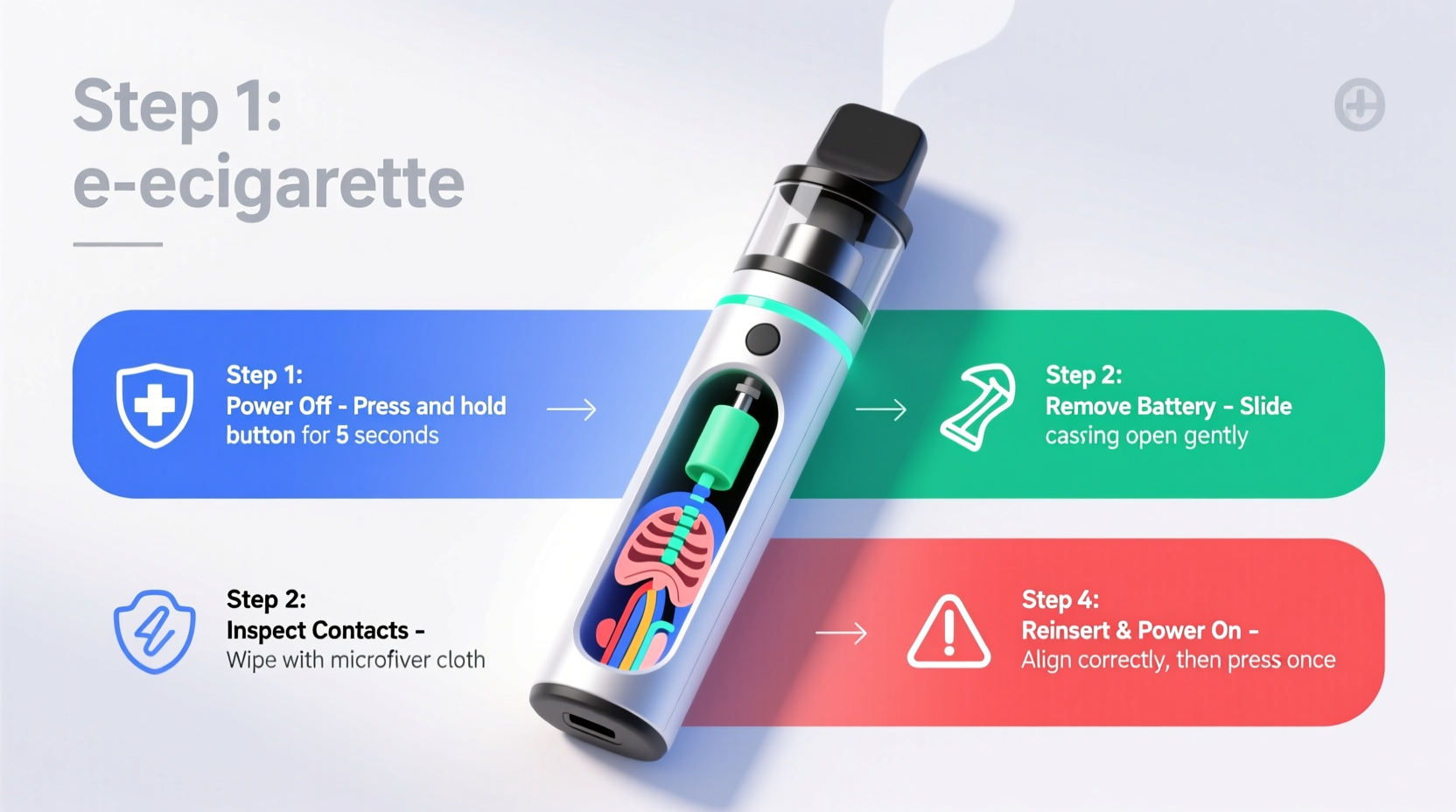
Most puff devices operate using a draw-activated mechanism. When you inhale, an airflow sensor detects the change in pressure and triggers the heating element to vaporize the e-liquid. This system relies on precise internal components: a battery, coil, wicking material, and sensor. Because these parts are sealed within a compact unit, physical repairs aren't feasible. However, recognizing how the system works helps identify when a simple reset might help versus when the device has truly reached end-of-life.
Common signs that a puff device may need a \"restart\" include:
- No vapor production despite visible e-liquid
- Inconsistent hits or weak flavor
- The device blinks but doesn’t activate
- A gurgling sound during use
These symptoms don’t always mean the device is dead—they could indicate a temporary fault that can be addressed with non-invasive methods.
Step-by-Step Guide to Safely Restart Your Puff Device
Restarting a puff device isn’t about pressing a button—it’s about resetting the internal systems through controlled interventions. Follow this sequence carefully to maximize chances of recovery without causing harm.
- Stop Using It Immediately: If the device feels hot, smells burnt, or sputters excessively, cease use. Overheating can degrade performance and pose safety risks.
- Inspect for Blockages: Check the mouthpiece and air intake (usually at the bottom) for debris or liquid buildup. Gently wipe the exterior with a dry cloth.
- Dry Out Condensation: Inverted storage or frequent use can cause e-liquid to pool near the coil. Hold the device upright (mouthpiece up) for 5–10 minutes to let excess liquid drain away from the heating element.
- Clear the Airflow: Blow gently into the mouthpiece (without inhaling) to dislodge any trapped liquid. Do not blow forcefully—this can push liquid deeper into the device.
- Let It Rest: Place the device upright on a flat surface for 15–30 minutes. This allows internal components to stabilize and any moisture to evaporate naturally.
- Try a Gentle Draw: After resting, take a slow, steady inhale. Avoid aggressive pulls, which can flood the coil again.
If the device activates and produces vapor, continue using it cautiously. If not, it may have reached the end of its charge or encountered irreversible internal failure.
Do’s and Don’ts When Troubleshooting a Puff Device
| Do’s | Don’ts |
|---|---|
| Store the device upright when not in use | Store it upside down or in extreme temperatures |
| Allow the device to rest between uses | Chain-vape continuously for extended periods |
| Clean the mouthpiece with a dry cloth | Submerge it in water or use cleaning solutions |
| Dispose of it properly once depleted | Attempt to recharge or refill a non-rechargeable model |
| Check expiration date before use | Use damaged or swollen devices |
Real Example: Reviving a Seemingly Dead Device
Consider the case of Jamie, a regular user who found their puff device unresponsive after leaving it in a cold car overnight. The LED blinked erratically, and no vapor was produced. Instead of discarding it, Jamie brought the device indoors and let it acclimate to room temperature for an hour. They then held it upright for 10 minutes, blew gently through the mouthpiece, and waited another 20 minutes before trying again. To their surprise, the device resumed normal function and lasted an additional two days.
This example illustrates how environmental factors—like cold exposure and condensation—can mimic device failure. A patient, methodical approach allowed Jamie to recover usability without risk.
“Many so-called ‘dead’ puff devices are simply experiencing temporary sensor or airflow issues. A short cooldown and proper positioning can often restore function.” — Dr. Alan Reyes, Electronic Nicotine Delivery Systems Researcher
Tips for Maximizing Puff Device Performance
Prevention is more effective than intervention. By adopting smart usage habits, you can reduce the likelihood of needing to restart your device in the first place.
- Use the device at moderate intervals—allow 30–60 seconds between puffs.
- Keep it in a protective case to prevent drops and contact with moisture.
- Monitor puff count if available; most devices deliver 200–300 puffs. Knowing your usage pattern helps anticipate depletion.
- Buy from reputable brands and retailers to ensure quality control and safer components.
Frequently Asked Questions
Can I recharge a disposable puff device?
No. Most puff devices are not designed to be recharged. Attempting to do so can lead to battery swelling, leakage, or even rupture. Only use models explicitly labeled as rechargeable—and only with the provided cable.
Why does my puff device taste burnt?
A burnt taste usually means the wick is dry or the coil is degraded. This occurs when the device is used too frequently without breaks or after the e-liquid has nearly run out. Letting the device rest briefly may help, but if the taste persists, it’s time for replacement.
How long should a puff device last?
Lifespan depends on usage. A typical device lasts 1–3 days for average users. Factors like puff duration, frequency, and storage conditions affect longevity. If your device dies prematurely, check for defects or improper storage.
Final Checklist Before Disposal
Before concluding that your puff device is beyond revival, go through this quick checklist:
- ✅ Has the device been stored upright?
- ✅ Is the mouthpiece clean and unobstructed?
- ✅ Have you allowed it to rest for at least 15 minutes?
- ✅ Did you try a slow, steady draw after resting?
- ✅ Is the device within its expected puff limit?
- ✅ Does it show signs of damage, swelling, or leakage?
If all else fails and the device remains inactive, dispose of it responsibly. Many vape retailers offer recycling programs for used devices.
Conclusion
While puff devices are designed for simplicity and disposability, small interventions can sometimes restore function and enhance user experience. By understanding the mechanics, applying safe restart techniques, and practicing mindful usage, you can get the most out of each device. Remember: safety comes first. Never force, modify, or misuse a device in an attempt to revive it.




 浙公网安备
33010002000092号
浙公网安备
33010002000092号 浙B2-20120091-4
Comments
No comments yet. Why don't you start the discussion?