
Cucumbers are a staple in home gardens for good reason: they grow quickly, yield generously, and thrive in warm conditions. However, achieving crisp, blemish-free fruits consistently requires more than just planting seeds and watering. The best results come from combining proven cultivation techniques with the right tools and attentive care. Whether you're growing in a backyard plot, raised bed, or container, understanding the science and strategy behind cucumber growth can transform your harvest.
Choosing the Right Cucumber Varieties
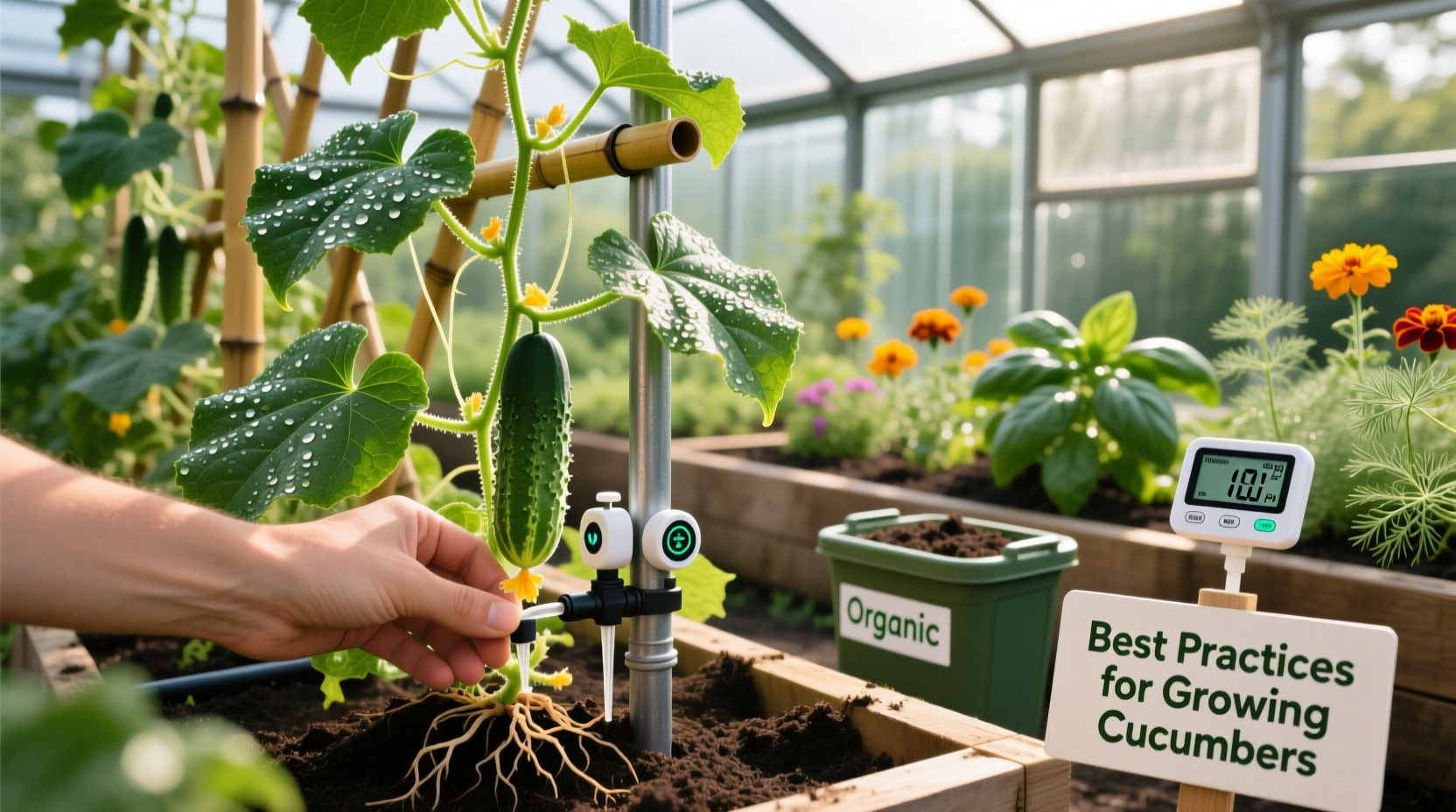
Not all cucumbers are created equal. Selecting the right variety is the first step toward success. There are three primary types: slicing, pickling, and specialty (such as burpless or gynoecious hybrids). Slicing cucumbers are best for fresh eating, while picklers are smaller and ideal for preserving. Burpless varieties tend to have thinner skins and fewer seeds, making them easier to digest.
Consider your growing space and climate when choosing. For small spaces or containers, bush-type cultivars like 'Patio Snacker' or 'Spacemaster' are excellent. Vining types such as 'Marketmore 76' or 'Straight Eight' produce higher yields but require trellising. Gynoecious hybrids, which produce mostly female flowers, offer earlier and heavier fruiting—ideal for maximizing productivity.
Soil Preparation and Planting Techniques
Cucumbers demand fertile, well-draining soil rich in organic matter. A pH between 6.0 and 6.8 is optimal. Before planting, amend the soil with aged compost or well-rotted manure to boost nutrient content and improve moisture retention.
Direct seeding is common, but starting indoors 3–4 weeks before the last frost can give plants a head start—especially in cooler climates. Use biodegradable pots to avoid root disturbance during transplanting. Seeds should be planted about 1 inch deep, with two to three seeds per hill if direct sowing.
Spacing is critical. Hills should be 36–60 inches apart, depending on the variety. If using rows, space plants 12 inches apart in rows 5–6 feet wide. This allows ample airflow, reducing fungal disease pressure.
“Cucumbers are heavy feeders and thirsty crops. Their roots need loose, nutrient-rich soil to support rapid vine development and consistent fruit set.” — Dr. Linda Chen, Horticulturist, University of California Cooperative Extension
Essential Tools for Optimal Growth
The right tools make cucumber cultivation efficient and effective. Here’s a list of must-have equipment:
- Trellis system: Vertical supports save space, improve air circulation, and keep fruit clean. Use cattle panels, wooden frames, or netting anchored securely.
- Drip irrigation or soaker hose: Delivers water directly to roots, minimizing leaf wetness that promotes diseases like downy mildew.
- Thermometer and soil thermometer: Monitor ambient and soil temperatures—cucumbers germinate best at 70–90°F (21–32°C).
- Row covers: Protect young plants from pests and cold snaps early in the season.
- Mulch (straw or black plastic): Suppresses weeds, conserves moisture, and keeps fruit off damp soil.
| Tool | Purpose | Recommended Type |
|---|---|---|
| Trellis | Support vining growth | 6–7 ft tall metal panel or A-frame |
| Drip Irrigation | Efficient watering | Emitter line with timer |
| Mulch | Weed control & moisture retention | Straw for organics; black plastic for warmth |
| Hand Trowel | Precise planting and transplanting | Stainless steel with depth markings |
| Pruning Shears | Trimming side shoots and diseased foliage | Bypass type for clean cuts |
Step-by-Step Guide to Growing Cucumbers Successfully
Follow this timeline to grow cucumbers from seed to harvest:
- Week 1–2 (Preparation): Test soil pH and amend with compost. Install trellises before planting to avoid damaging roots later.
- Week 3 (Planting): Sow seeds indoors or wait until soil reaches at least 70°F (21°C) for outdoor planting. Use row covers if nights are still cool.
- Week 4–5 (Germination & Early Growth): Seedlings emerge in 7–10 days. Thin to the strongest plant per hill. Begin light feeding with balanced liquid fertilizer (10-10-10).
- Week 6–8 (Vine Development): Train vines onto trellis by gently wrapping tendrils. Water deeply 1–2 times per week, depending on rainfall.
- Week 9–10 (Flowering): Male flowers appear first, followed by female flowers (with tiny fruit at the base). Encourage pollinators or hand-pollinate if needed.
- Week 11–14 (Fruiting & Harvest): Harvest every 1–2 days once production begins. Pick slicing cucumbers at 6–8 inches; picklers at 3–4 inches. Frequent picking encourages more fruit.
Common Challenges and How to Overcome Them
Bitterness, poor pollination, and pest infestations are frequent issues. Bitterness is often caused by uneven watering or high temperatures. Maintain consistent moisture and use shade cloth during heatwaves. To prevent pollination failure, avoid broad-spectrum insecticides that harm bees.
Pests like cucumber beetles and aphids can transmit diseases and stunt growth. Inspect plants regularly. Use yellow sticky traps for monitoring and introduce beneficial insects like ladybugs. Neem oil or insecticidal soap can control outbreaks without harming pollinators.
Diseases such as powdery mildew and bacterial wilt are common in humid conditions. Choose resistant varieties, space plants properly, and avoid overhead watering. At the first sign of mildew, apply a baking soda spray (1 tbsp baking soda, 1 tsp vegetable oil, few drops of dish soap per gallon of water).
Mini Case Study: Urban Rooftop Success
In Brooklyn, NY, community gardener Maria Rodriguez transformed a 200-square-foot rooftop into a productive cucumber zone using vertical gardening. She grew 'Diva' and 'Sweet Slice' varieties in large fabric pots, supported by freestanding trellises. With drip irrigation timed to run early morning and straw mulch to retain moisture, she harvested over 120 cucumbers in a single season. Her secret? Daily observation and immediate response to any yellowing leaves or insect presence. “Growing up, not out,” she says, “was the key to maximizing yield in a tight space.”
Frequently Asked Questions
Why are my cucumber plants flowering but not producing fruit?
This is often due to a lack of pollination. Early blooms are typically male; female flowers appear later. If pollinators are scarce, try hand-pollinating. Also, excessive nitrogen can promote leafy growth at the expense of fruiting.
How often should I water cucumber plants?
Cucumbers need 1–2 inches of water per week, more during hot weather. Water deeply and consistently at the base. Shallow, frequent watering leads to weak roots and bitter fruit.
Can I grow cucumbers in containers?
Yes, but choose compact or bush varieties and use pots at least 12 inches deep and wide. Ensure drainage holes and use a quality potting mix. Container plants dry out faster, so monitor moisture daily.
Final Checklist for High-Yield Cucumber Growing
- ✅ Choose disease-resistant, climate-appropriate varieties
- ✅ Prepare soil with compost and ensure proper pH
- ✅ Use trellises for vining types to save space and improve air flow
- ✅ Install drip irrigation or soaker hoses for consistent watering
- ✅ Mulch around plants to suppress weeds and retain moisture
- ✅ Monitor for pests and diseases weekly
- ✅ Harvest frequently to encourage continuous production
- ✅ Rotate crops annually to prevent soil-borne diseases
Conclusion: Grow Smarter, Harvest Better
Growing cucumbers doesn’t have to be complicated, but it does require attention to detail. From selecting the right seeds to managing water and pests, each step influences the final harvest. By applying these effective methods and equipping yourself with the right tools, you’ll enjoy a steady supply of crisp, flavorful cucumbers all season long. Don’t just grow cucumbers—master their cultivation. Your garden, and your salads, will thank you.




 浙公网安备
33010002000092号
浙公网安备
33010002000092号 浙B2-20120091-4
Comments
No comments yet. Why don't you start the discussion?