
Cube steak is a budget-friendly, versatile cut that’s often overlooked due to its reputation for toughness. But when prepared correctly, it can be remarkably tender and satisfying. The key lies not in the cut itself, but in how you handle and cook it. Unlike premium steaks, cube steak requires specific techniques to unlock its potential. Understanding its structure, choosing the right cooking method, and avoiding common mistakes are essential to transforming this humble cut into a delicious, melt-in-your-mouth meal.
Understanding Cube Steak: Why It Can Turn Tough
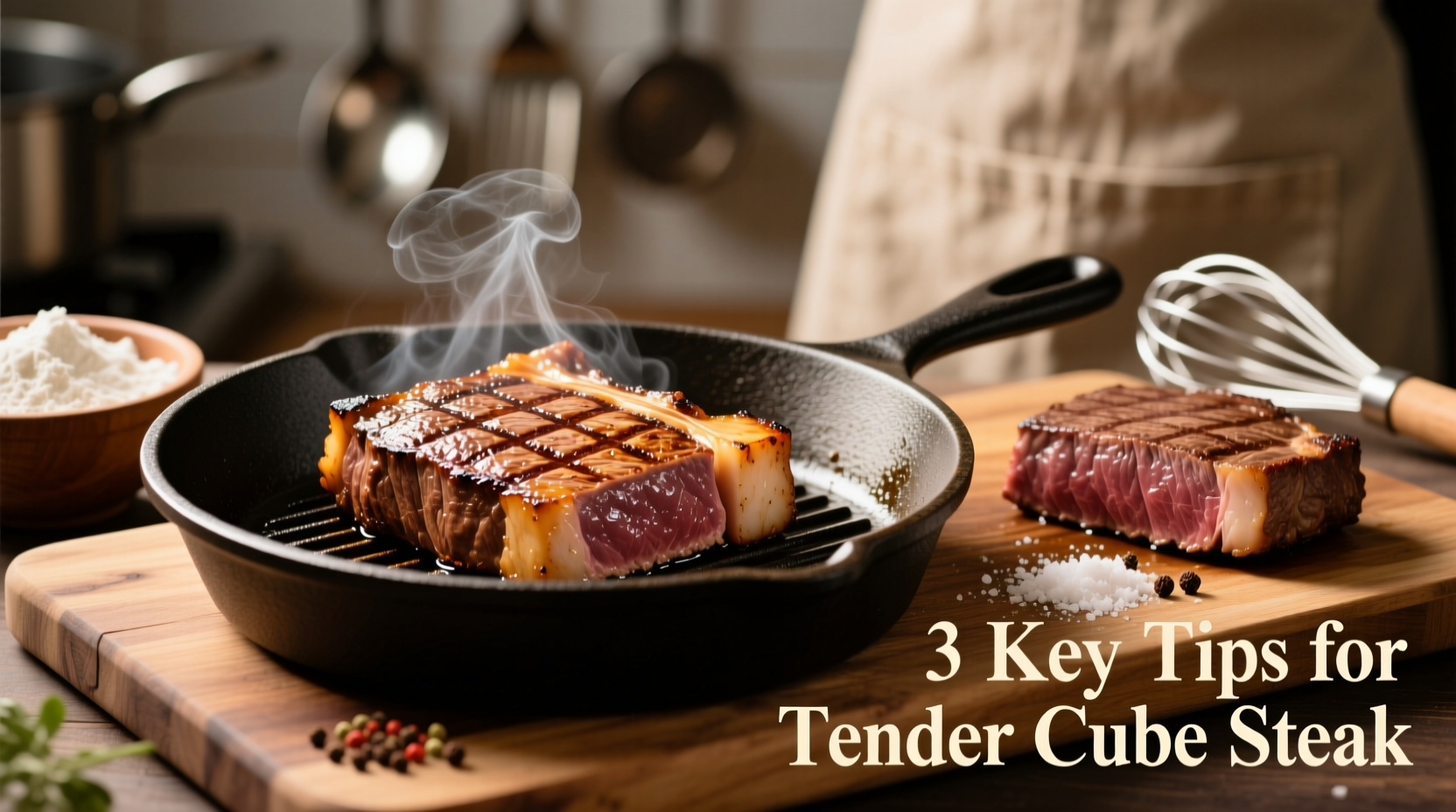
Cube steak is typically made from tougher cuts of beef—often top round or chuck—that have been mechanically tenderized using a cubing machine. This process creates small indentations across the surface, which help break down muscle fibers and improve tenderness. However, these benefits are easily undone by improper handling or overcooking.
The problem arises when cooks treat cube steak like a ribeye or filet mignon. Because it's already thin and tenderized, it cooks quickly and loses moisture fast. Exposing it to high heat for too long causes proteins to tighten and squeeze out juices, resulting in a leathery texture. Additionally, marinades and seasonings that work well on thicker cuts may overwhelm cube steak due to its increased surface area from the cubing process.
“Cube steak isn’t inherently tough—it becomes tough when mismanaged. Respect its thinness and pre-tenderized state, and it will reward you with great flavor and texture.” — Chef Marcus Tran, Culinary Instructor at Midwest Institute of Food Arts
Essential Preparation Techniques for Maximum Tenderness
Before heat ever touches the pan, your approach to preparation sets the stage for success. These foundational steps ensure your cube steak starts off on the right foot.
1. Avoid Over-Tenderizing
Since cube steak is already mechanically tenderized, additional pounding or aggressive scoring can tear the meat apart, making it mushy or causing it to fall apart during cooking. Handle it gently and skip the mallet unless you're working with a particularly thick piece.
2. Use a Balanced Marinade (But Don’t Overdo It)
A light marinade with acid (like vinegar, lemon juice, or buttermilk), oil, and seasoning can enhance flavor and further tenderize the meat. However, limit marinating time to 30–60 minutes. Longer exposure, especially to acidic ingredients, can begin to “cook” the surface and degrade texture.
3. Pat Dry Before Cooking
Excess moisture prevents proper browning. After marinating or rinsing, always pat the steaks dry with paper towels. This ensures a better sear and reduces steaming, which leads to soggy, gray meat.
Best Cooking Methods to Keep Cube Steak Tender
The ideal method depends on your desired outcome, but some techniques consistently deliver superior results. Below are the most effective ways to cook cube steak while preserving tenderness.
Pan-Searing with a Quick Deglaze
This method works best when you want a flavorful crust and juicy interior. Use medium-high heat, a thin layer of oil, and cook each side for just 1.5 to 2 minutes. Immediately after removing from the pan, pour in a splash of broth, wine, or cream to deglaze and create a quick sauce. The residual steam helps keep the meat moist.
Braising in Gravy or Sauce
One of the most reliable ways to maintain tenderness is braising. Brown the steaks quickly, then simmer them gently in a flavorful liquid—such as beef broth, mushroom gravy, or tomato-based sauce—for 20–30 minutes. The low, moist heat keeps fibers relaxed and allows connective tissues to soften further.
Sous Vide (For Precision Results)
Though less common for everyday meals, sous vide offers unmatched control. Vacuum-seal the steak with herbs and fat (like butter or olive oil), then cook at 130°F (54°C) for 1–1.5 hours. Finish with a quick sear. This method virtually eliminates the risk of overcooking.
Slow Cooker for Hands-Off Tenderness
Perfect for busy days, the slow cooker gently simmers cube steak in liquid over several hours. Combine with onions, garlic, mushrooms, and broth, and let it cook on low for 4–6 hours. The result is fork-tender meat ideal for stews or sandwiches.
| Cooking Method | Time | Tenderness Level | Best For |
|---|---|---|---|
| Pan-Searing | 5–6 minutes | High (if not overcooked) | Quick weeknight meals |
| Braising | 25–35 minutes | Very High | Comfort food, gravies |
| Sous Vide | 1–1.5 hours | Exceptional | Special occasions |
| Slow Cooker | 4–6 hours | Extremely High | Meal prep, shredded dishes |
| Grilling | 4–6 minutes | Moderate (risky) | Outdoor cooking (use caution) |
Step-by-Step Guide: Perfect Pan-Seared Cube Steak with Mushroom Gravy
This classic dish showcases how proper technique yields tender, flavorful results.
- Prep the steak: Remove cube steaks from fridge 15 minutes before cooking. Pat dry and lightly season with salt, pepper, and a pinch of garlic powder.
- Heat the pan: Place a heavy skillet (cast iron preferred) over medium-high heat. Add 1 tbsp oil and allow it to shimmer.
- Sear the steak: Add steaks in a single layer (don’t crowd). Sear for 1.5–2 minutes per side until golden brown. Do not move them during searing to ensure a good crust.
- Remove and rest: Transfer to a plate and cover loosely with foil.
- Make the gravy: In the same pan, add 1 tbsp butter, 1/2 cup sliced mushrooms, and 1/4 cup diced onion. Sauté until soft. Sprinkle in 1 tbsp flour, stir for 1 minute, then slowly whisk in 1 cup beef broth.
- Simmer together: Return steaks to the pan, reduce heat to low, and simmer in gravy for 5–7 minutes. This gentle finish keeps them tender.
- Serve immediately: Plate with gravy spooned over the top.
Common Mistakes That Ruin Cube Steak
- Overcooking: Even an extra minute can dry it out. Always aim for medium (145°F internal temp) or slightly below.
- Crowding the pan: Causes steaming instead of searing, leading to gray, soggy meat.
- Skipping the resting step: Resting for 3–5 minutes allows juices to redistribute.
- Using high-sodium marinades: Can draw out moisture and make the meat stringy.
- Grilling without caution: High, direct heat easily overcooks thin steaks. If grilling, use indirect heat and monitor closely.
Frequently Asked Questions
Can I freeze cube steak before cooking?
Yes, but only if properly wrapped to prevent freezer burn. Thaw in the refrigerator overnight before cooking. Never cook from frozen, as uneven thawing leads to overcooked edges and raw centers.
Why does my cube steak sometimes fall apart?
This usually happens if the meat was over-tenderized mechanically or if it was cooked too long in acidic sauce. Choose steaks with even thickness and avoid prolonged simmering in vinegar-based liquids.
Is cube steak the same as Salisbury steak?
No. While both use ground or tenderized beef, Salisbury steak is typically made from seasoned ground beef formed into patties, whereas cube steak is a whole cut that’s been flattened and tenderized.
Real Example: From Chewy to Comforting
Julie, a home cook from Kansas, used to dread preparing cube steak. Her early attempts resulted in rubbery, flavorless meat her kids refused to eat. After switching to a buttermilk soak followed by a quick sear and simmer in mushroom gravy, everything changed. “I realized I was treating it like a steak on the grill,” she said. “Now I braise it like pot roast, and it’s become one of our favorite winter dinners.” Her new method reduced cooking stress and turned a once-dreaded ingredient into a family staple.
Final Checklist for Tender Cube Steak Success
- Preparation:
- ✓ Pat meat dry
- ✓ Marinate briefly (max 60 minutes)
- ✓ Season just before cooking
- Cooking:
- ✓ Use medium to medium-high heat
- ✓ Sear quickly, don’t overcook
- ✓ Consider braising or slow-cooking for foolproof results
- Finishing:
- ✓ Rest for 3–5 minutes
- ✓ Serve with sauce or gravy to retain moisture
- ✓ Slice against the grain if serving in strips
Conclusion: Transform Your Weeknight Dinners
Cube steak doesn’t have to be a compromise between cost and quality. With thoughtful preparation and the right cooking method, it can deliver comfort, flavor, and tenderness on any budget. Whether you’re making smothered steaks, slow-cooked stroganoff, or a simple pan-fried dinner, the principles remain the same: respect its thinness, avoid overcooking, and use moisture-enhancing techniques. Try one of the methods outlined here tonight—you might just discover a new favorite way to bring hearty, satisfying meals to your table.




 浙公网安备
33010002000092号
浙公网安备
33010002000092号 浙B2-20120091-4
Comments
No comments yet. Why don't you start the discussion?