
Staying in touch with family, friends, or business contacts in Europe shouldn’t come at a premium. Traditional international calling plans often include hidden fees, poor connection quality, and confusing billing structures. Fortunately, modern communication tools and smart planning can eliminate these issues. With the right approach, you can make clear, reliable calls to European destinations—without paying inflated rates or dealing with technical headaches.
Understanding the Cost of International Calling
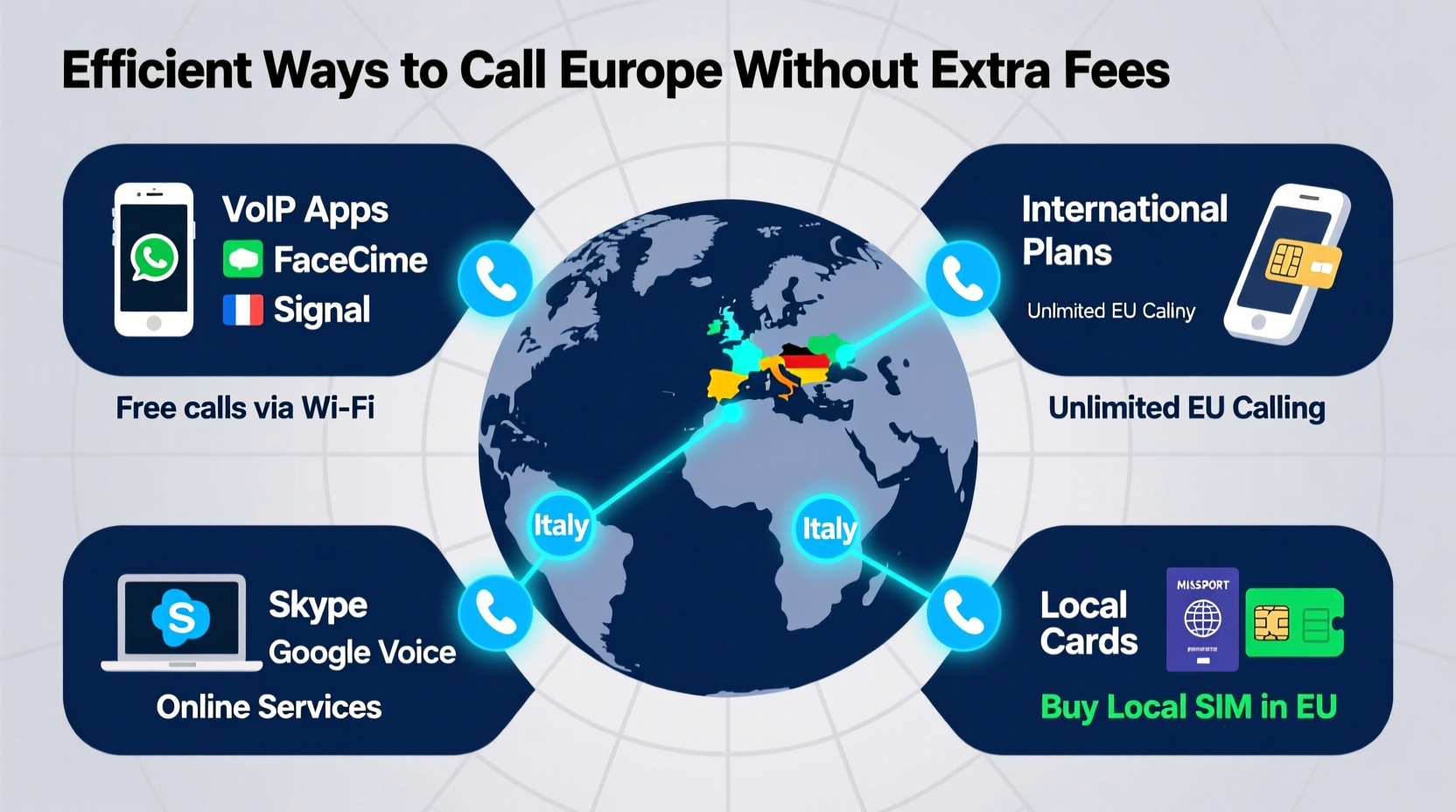
Historically, calling from North America or Asia to Europe has been expensive due to carrier-imposed long-distance charges. Even today, many mobile providers bundle international minutes behind costly add-ons or charge per-minute rates that quickly add up. A single 10-minute call to Germany or France could cost $5–$10 on some legacy plans.
The good news is that digital infrastructure has evolved. Voice over Internet Protocol (VoIP), widespread Wi-Fi access, and competitive telecom markets have disrupted traditional models. Consumers now have alternatives that are not only cheaper but often offer better audio quality and additional features like video calling, messaging, and voicemail transcription.
Leveraging VoIP Services for Seamless Communication
Voice over Internet Protocol (VoIP) allows users to make phone calls using an internet connection instead of a traditional phone line. This technology bypasses standard telecommunication networks, dramatically reducing costs—especially for international calls.
Popular VoIP platforms such as Skype, Google Voice, and Zoom Phone offer affordable calling rates to European landlines and mobile numbers. For example:
- Skype: Offers pay-as-you-go rates starting at $0.02/min for calls to most European countries.
- Google Voice: Charges $0.06/min for calls to Western Europe with no monthly fees.
- Zoom Phone: Includes international calling packages ideal for frequent callers.
To get started, simply create an account, purchase credit or a subscription, and dial directly through the app using Wi-Fi or data. Many services also allow you to obtain a local European number, which lets contacts call you as if you were based locally.
“VoIP isn’t just cheaper—it’s more reliable than traditional roaming lines.” — Daniel Reeves, Telecommunications Analyst at GlobalCom Insights
Using Local SIM Cards and eSIMs While Traveling
If you're visiting Europe, one of the most cost-effective ways to avoid high roaming fees is by using a local SIM card or an eSIM (embedded SIM). These allow you to access local data and calling plans at resident rates.
Major carriers across Europe—including Vodafone (UK/Germany), Orange (France), and TIM (Italy)—offer prepaid SIMs for tourists with generous voice and data bundles. Prices typically range from €10–€30 for 7–30 days of service.
eSIMs provide even greater convenience. They’re digital SIM cards that can be activated remotely via QR code or app download. Providers like Airalo, Nomad, and Holafly specialize in multi-country European eSIMs, enabling seamless connectivity across borders without swapping physical cards.
| Provider | Region Coverage | Data (GB) | Price (USD) | Validity |
|---|---|---|---|---|
| Airalo Europe | 45+ Countries | 3 | $18 | 30 Days |
| Nomad Global | Worldwide incl. EU | 5 | $25 | 30 Days |
| Holafly Unlimited | Europe Wide | Unlimited | $35 | 14 Days |
Step-by-Step Guide: Setting Up Low-Cost Calling to Europe
Follow this practical sequence to establish a reliable, low-cost calling system within 24 hours:
- Assess Your Needs: Determine whether you need voice-only, voice + text, or video capabilities.
- Choose a Platform: Select a VoIP service (e.g., Google Voice for simplicity, Skype for global reach).
- Create an Account: Register using your email and verify your identity.
- Add Credit or Subscription: Purchase a calling package or top-up balance.
- Download the App: Install on smartphone, tablet, or computer.
- Test the Connection: Make a short test call during off-peak hours to evaluate audio quality.
- Save Frequently Dialed Numbers: Store contacts with country codes (e.g., +44 for UK, +33 for France).
This setup works whether you're calling from home or abroad and eliminates reliance on expensive carrier plans.
Wi-Fi Calling and Carrier-Based Solutions
Many mobile carriers now support Wi-Fi calling, allowing you to place regular calls over a wireless network when cellular service is unavailable or too costly. If enabled, this feature uses your existing phone number and doesn’t require third-party apps.
Carriers like T-Mobile, Verizon, and AT&T offer free Wi-Fi calling to over 100 countries—including all EU member states—as part of their standard plans. As long as you have a stable internet connection, calls count toward your domestic minutes and don’t incur international surcharges.
To activate Wi-Fi calling:
- Go to your phone’s Settings > Phone > Wi-Fi Calling.
- Toggle it on and agree to emergency location terms.
- Connect to any Wi-Fi network and place a call normally.
Note: Emergency services may be limited when using Wi-Fi calling abroad, so keep alternative contact methods available.
Mini Case Study: Avoiding Roaming Fees in Spain
Sarah, a freelance consultant from Toronto, traveled to Barcelona for a three-week project. Her previous trip to Italy had resulted in a $180 roaming bill due to constant client calls and navigation use.
This time, she took a proactive approach:
- Purchased a 20GB EU-wide eSIM from Airalo before departure ($22).
- Enabled Wi-Fi calling as a backup.
- Used WhatsApp and Google Voice for all international calls.
The result? She stayed fully connected, made daily calls to clients in Canada and Germany, and paid only $22—with no surprise charges upon return.
Checklist: How to Call Europe Without Extra Fees
- ✅ Confirm if your current plan includes free EU calling
- ✅ Download a trusted VoIP app (Skype, Google Voice, etc.)
- ✅ Buy credit or subscribe to a calling package
- ✅ Activate Wi-Fi calling on your smartphone
- ✅ Consider a local or eSIM when traveling
- ✅ Use messaging apps with voice calling (WhatsApp, Telegram, FaceTime)
- ✅ Store European contacts with correct country codes
- ✅ Test audio quality before important conversations
Frequently Asked Questions
Can I use WhatsApp to call landlines in Europe?
No, WhatsApp only supports voice and video calls between users on the app. You cannot call traditional landline or mobile numbers outside the platform. For that, use VoIP services like Skype or Google Voice, which offer direct dialing to non-app numbers.
Are there any legal restrictions on using VoIP in Europe?
Most European countries allow VoIP usage without restriction. However, a few nations historically imposed limitations on encrypted services (though these are increasingly rare). In practice, travelers and residents commonly use VoIP apps like Zoom, Teams, and Skype without issue.
Do I need a new phone number to call Europe cheaply?
No. You can retain your original number while using VoIP or Wi-Fi calling. Some services let you link your existing number, while others assign a temporary one. Alternatively, acquiring a virtual European number enhances accessibility for local contacts who prefer calling domestically.
Final Thoughts and Action Steps
Calling Europe doesn’t have to mean navigating complex tariffs or enduring robotic customer service to dispute unexpected charges. By embracing internet-based calling, leveraging eSIM technology, and understanding your carrier’s Wi-Fi calling options, you gain control over both cost and convenience.
The tools exist. The savings are real. All that’s left is to implement them.




 浙公网安备
33010002000092号
浙公网安备
33010002000092号 浙B2-20120091-4
Comments
No comments yet. Why don't you start the discussion?