
Acrylic paint is a favorite among artists and crafters for its vibrant colors and fast-drying properties. However, when it ends up on clothing—especially before it’s had time to dry—it can seem like a disaster. The good news is that with prompt action and the right approach, acrylic paint stains can be removed effectively without harming the fabric. Whether you're dealing with fresh spills or dried-on paint, understanding the chemistry of the paint and the sensitivity of your fabric is key to successful stain removal.
Unlike oil-based paints, acrylics are water-based when wet but become water-resistant once dry. This transition means timing is critical. The sooner you act, the better your chances of complete removal. But even dried stains aren’t hopeless—with proper techniques, most fabrics can be restored to their original condition.
Understanding Acrylic Paint and Fabric Interaction
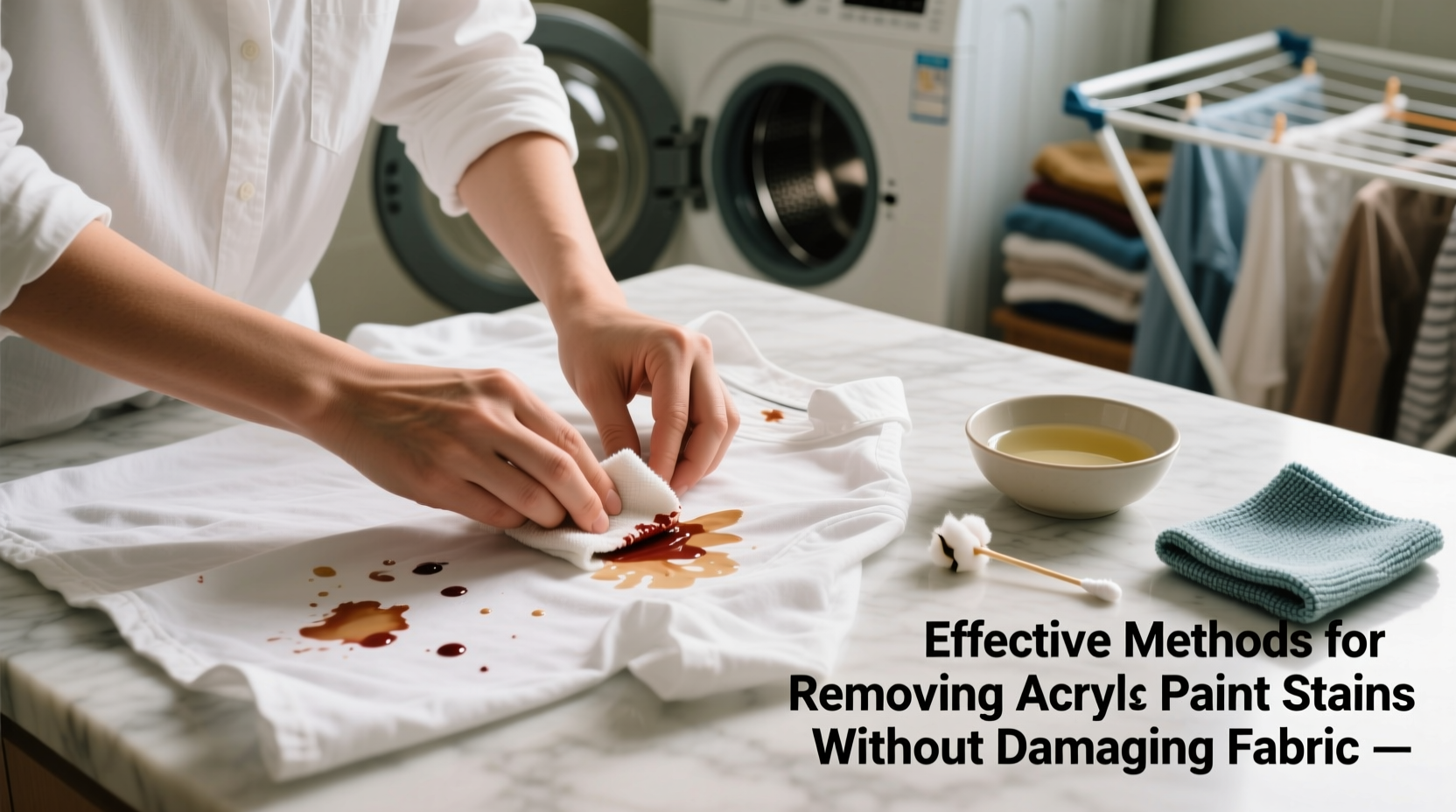
Acrylic paint consists of pigment suspended in an acrylic polymer emulsion. While wet, it's soluble in water and can be cleaned with mild detergents. Once dry, the polymers form a flexible, plastic-like film that resists water, making removal more challenging. The type of fabric plays a major role in how paint adheres and how aggressively you can treat the stain.
Natural fibers like cotton, linen, and wool absorb paint differently than synthetic materials such as polyester or nylon. Delicate fabrics require gentler solutions, while sturdier weaves like denim can tolerate stronger solvents. Always check the garment’s care label before applying any treatment. Testing a small, inconspicuous area first prevents unintended damage like discoloration or fiber breakdown.
Step-by-Step Guide to Removing Fresh Acrylic Paint
Fresh acrylic paint is the easiest to remove because it hasn't undergone polymerization. Act quickly to prevent it from drying into the fibers.
- Blot excess paint – Use a clean cloth or paper towel to gently lift as much paint as possible. Avoid rubbing, which pushes the paint deeper into the fabric.
- Rinse under cold water – Hold the stained area under cold running water from the back of the stain to push the paint out, not further in.
- Apply liquid dish soap – Use a mild dishwashing detergent (like Dawn) directly onto the stain. Gently work it in with your fingers or a soft brush.
- Soak for 15–30 minutes – Submerge the garment in a basin of cold water mixed with more dish soap.
- Wash normally – Launder the clothing in the washing machine using cold water and regular detergent. Check the stain before drying.
If the stain persists, repeat the process or move to a deeper cleaning method. Do not use hot water at this stage—it can set the paint.
Removing Dried Acrylic Paint: Effective Techniques by Fabric Type
Dried acrylic paint requires breaking down the polymer structure. Mechanical action combined with appropriate solvents works best. However, the method must align with the fabric’s durability.
| Fabric Type | Recommended Method | Avoid |
|---|---|---|
| Cotton / Denim | Scrape gently, then use isopropyl alcohol or specialized paint remover | Excessive scrubbing that damages weave |
| Polyester / Blends | Soak in warm soapy water, use alcohol sparingly | High-concentration solvents that may degrade fibers |
| Wool / Silk | Cold water soak, gentle detergent only | Alcohol, acetone, or heat—can cause shrinkage or brittleness |
| Delicates (lace, rayon) | Professional cleaning recommended; light dabbing with soapy water only | Any aggressive solvents or scrubbing |
For sturdy fabrics, gently scrape off flaked paint with a butter knife or spoon edge before applying solvent. Then dampen a clean cloth with isopropyl alcohol (70% or higher) and dab—not rub—the stain. Change cloths frequently to avoid reapplying paint. Rinse thoroughly afterward and launder as usual.
“Time is your biggest ally when dealing with acrylic paint. The moment you notice the stain, start treating it—even if you’re mid-craft. A few minutes can make the difference between full removal and permanent marking.” — Dr. Lena Peterson, Textile Chemist & Stain Removal Specialist
Household Solutions That Work (and Some That Don’t)
Many home remedies circulate online, but not all are safe or effective. Here’s what actually works:
- Isopropyl Alcohol – Effective on dried paint on durable fabrics. Dilute with water (1:1) for sensitive materials.
- Vinegar Solution – Mix one part white vinegar with two parts water. Soak for 30 minutes before washing. Mildly acidic, helps loosen paint binders.
- Hairspray (with alcohol) – Older formulations containing high alcohol content can break down paint. Spray, wait 5 minutes, then blot. Not reliable with modern low-alcohol sprays.
- Baking Soda Paste – Combine with water to form a paste. Use as a gentle abrasive on cotton or denim after loosening paint with soap.
Avoid using acetone or nail polish remover on most fabrics—it can dissolve synthetic fibers and cause irreversible damage. Similarly, bleach weakens fibers and may react unpredictably with paint pigments.
Mini Case Study: Recovering a Paint-Splattered Artist’s Shirt
Sophie, a mural painter, spilled acrylic paint across the front of her favorite cotton button-down during a studio session. She didn’t notice until the paint had dried overnight. Instead of discarding it, she followed a careful removal process.
First, she scraped off loose flakes with a spoon. Then, she applied a mixture of dish soap and warm water, letting it sit for 45 minutes. Next, she dabbed the remaining stain with a cloth soaked in isopropyl alcohol, changing sections of the cloth every few seconds. After rinsing, she washed the shirt in cold water with oxygen-based bleach (color-safe).
The result? Nearly complete removal. A faint shadow remained, but it was unnoticeable when worn. Sophie saved a sentimental piece of clothing through timely, informed action—and now keeps a stain-removal kit in her studio.
Checklist: Acrylic Paint Stain Removal Protocol
- ☑ Blot wet paint immediately—don’t rub
- ☑ Rinse under cold water from the back of the stain
- ☑ Apply dish soap and soak for 15–30 minutes
- ☑ For dried paint, gently scrape surface flakes
- ☑ Test solvents (alcohol, vinegar) on hidden fabric areas
- ☑ Dab with isopropyl alcohol or vinegar solution as needed
- ☑ Wash in cold water—never hot
- ☑ Air dry and inspect before rewashing or using dryer
- ☑ Repeat treatment if necessary
- ☑ For delicates, consult a professional cleaner
Frequently Asked Questions
Can I use hand sanitizer to remove acrylic paint?
Yes, many hand sanitizers contain high concentrations of alcohol, which can help break down dried acrylic paint. Dab a small amount on the stain, let it sit for 5–10 minutes, then blot and rinse. Works best on cotton and durable synthetics. Always test first.
What if the paint has already been washed and dried?
Heat from the dryer sets acrylic paint permanently. In this case, removal becomes extremely difficult. You may try carefully applying a commercial paint remover designed for fabrics, but success isn’t guaranteed. Cover-up options like fabric paint or patches might be more practical.
Is OxiClean effective against acrylic paint stains?
OxiClean, which contains sodium percarbonate, works well on organic stains but has limited effect on polymer-based acrylic paint. However, when used in conjunction with soaking and mechanical agitation, it can help lift residual pigments after initial paint removal. Best for pre-wash soaking in cold water.
Conclusion: Act Fast, Choose Wisely, Save Your Clothes
Removing acrylic paint from clothing doesn’t have to mean sacrificing the garment. With the right knowledge and tools, most stains—wet or dry—can be managed effectively without damaging the fabric. The key lies in swift action, fabric-appropriate methods, and avoiding common pitfalls like heat exposure or harsh chemicals.
By integrating these techniques into your routine, whether you're an artist, teacher, or DIY enthusiast, you’ll extend the life of your clothes and reduce waste. Keep a small stain-response kit with dish soap, alcohol wipes, and microfiber cloths in your workspace. Be prepared, stay calm, and tackle stains head-on.




 浙公网安备
33010002000092号
浙公网安备
33010002000092号 浙B2-20120091-4
Comments
No comments yet. Why don't you start the discussion?