
Cleaning a black stove top isn't just about removing spills—it's about preserving its sleek appearance and preventing permanent damage. Black surfaces show every smudge, water spot, and scratch, making them both elegant and high-maintenance. Without proper care, residue builds up, discoloration sets in, and once-smooth glass becomes dull or etched. The right cleaning method combines gentle yet effective techniques that lift grime without compromising the surface. Whether your stove is ceramic, induction, or sealed gas with a black enamel finish, this guide delivers actionable strategies that deliver results.
Understanding Your Black Stove Top Surface
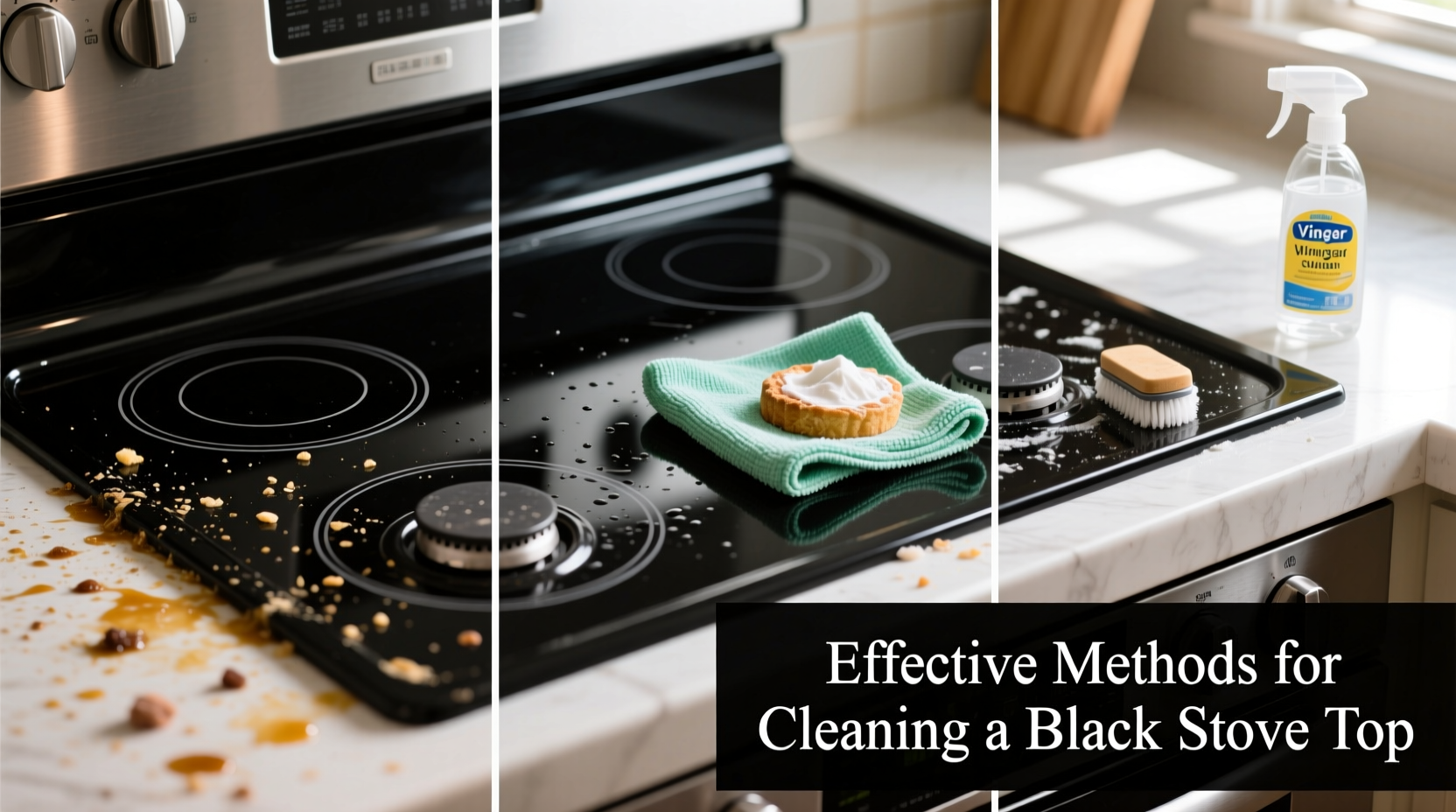
Not all black stove tops are created equal. The material dictates how you should clean it:
- Ceramic Glass Tops: Smooth, flat surfaces common on electric ranges. They’re prone to scratches from abrasive pads and harsh chemicals.
- Induction Cooktops: Also made of tempered glass but more sensitive to thermal shock. Sudden temperature changes can cause cracking.
- Black Enamel or Painted Metal: Found on older gas stoves. These can chip or fade if cleaned with acidic or alkaline cleaners.
Using the wrong cleaner—like oven degreasers or steel wool—can leave permanent marks. Always check your manufacturer’s manual before applying any product. When in doubt, test in an inconspicuous area first.
“Many customers ruin their cooktops not from neglect, but from over-cleaning with aggressive tools.” — Daniel Reyes, Appliance Technician with 15 years of experience
Step-by-Step Guide: Deep Cleaning a Black Stove Top
A thorough cleaning removes baked-on grease, food spills, and mineral deposits while restoring luster. Follow this timeline for optimal results:
- Let the surface cool completely. Never apply liquids to a hot stove top—it can cause cracks or steam burns.
- Remove loose debris. Wipe away crumbs or dust with a dry microfiber cloth.
- Apply a baking soda paste. Mix 3 parts baking soda with 1 part water into a thick paste. Spread evenly over stained areas.
- Let sit for 10–15 minutes. This loosens carbonized residues without scratching.
- Gently scrub in circular motions using a non-abrasive sponge or cooktop-safe scraper tool.
- Dampen a soft cloth with white vinegar and wipe over the surface to neutralize baking soda and dissolve mineral spots.
- Rinse with a water-dampened cloth, then dry immediately with a lint-free towel to prevent water spots.
- Buff lightly with a second dry microfiber cloth to enhance shine.
Do’s and Don’ts of Black Stove Top Maintenance
| Do’s | Don’ts |
|---|---|
| Use distilled water to avoid mineral deposits | Use bleach or ammonia-based cleaners |
| Clean spills immediately after cooling | Slide heavy pots across the surface |
| Wipe daily with a damp microfiber cloth | Soak the entire surface with liquid |
| Invest in a quality cooktop polish | Use paper towels (they can scratch) |
| Keep a squeegee-style cleaner for quick touch-ups | Leave cast iron or stone cookware sitting post-use |
Real Example: Reviving a Neglected Stove Top
Sarah, a busy mother of two in Austin, hadn’t deep-cleaned her black ceramic stove in nearly eight months. Spills from sauces, oil splatters, and sugary residues had darkened the surface around the burners. What started as minor stains became a sticky, grayish film that resisted regular wipes.
She tried commercial sprays, which only smeared the mess. Finally, she followed the baking soda-vinegar method outlined above. After one session, the center burners regained their original gloss. A second treatment removed most remaining haze. Now, she cleans within 24 hours of cooking and uses a protective spray weekly. “It looks like we got a new stove,” she said. “And it only takes five minutes now to keep it that way.”
Best Cleaning Products Compared
While DIY solutions work well, some store-bought products offer convenience and enhanced protection. Here’s a comparison of top-rated options:
| Product | Type | Pros | Cons |
|---|---|---|---|
| Weiman Cooktop Cleaner & Polish | Cream formula | Removes stains, adds shine, prevents future buildup | Contains mild solvents; not ideal for frequent use |
| Bar Keepers Friend Cooktop Cleaner | Powder-based | Excellent for scorched areas | Slightly abrasive; use sparingly |
| Vinegar + Baking Soda (DIY) | Natural | Non-toxic, inexpensive, readily available | Requires more elbow grease |
| Cerama Bryte Cleaner | Liquid spray + cream | Manufacturer-recommended for many brands | Higher price point |
Frequently Asked Questions
Can I use Windex on a black stove top?
No. While Windex cuts grease, it often leaves streaks and contains ammonia, which can degrade sealants and discolor trim around glass cooktops. Stick to cooktop-specific cleaners or vinegar-based solutions.
Why does my black stove look cloudy after cleaning?
Cloudiness usually comes from mineral deposits in tap water or leftover cleaner residue. Always finish with a distilled water rinse and dry thoroughly with a microfiber cloth. For existing haze, use a mixture of equal parts white vinegar and distilled water, applied with a soft cloth.
How often should I deep clean my black stove top?
For households that cook daily, deep clean every 2–4 weeks. Light wiping should happen after every 2–3 uses. Immediate cleanup of sugary or acidic spills (like tomato sauce) is critical to prevent etching.
Maintaining Long-Term Shine: A Weekly Checklist
To keep your black stove top looking pristine, follow this simple weekly routine:
- ✅ Wipe down the surface after each use with a damp microfiber cloth
- ✅ Remove burner grates and drip pans (if applicable) and wash separately
- ✅ Inspect for stuck-on debris and treat with baking soda paste
- ✅ Dry completely to prevent water spotting
- ✅ Apply a small amount of cooktop polish and buff gently
- ✅ Check for scratches or chips that may require professional attention
Final Thoughts
A clean black stove top elevates your kitchen’s aesthetic and reflects pride in your home. The key lies in consistency, the right tools, and avoiding shortcuts that lead to long-term damage. Whether you prefer natural solutions or trusted commercial products, the goal remains the same: a smooth, glossy surface free of residue and streaks.




 浙公网安备
33010002000092号
浙公网安备
33010002000092号 浙B2-20120091-4
Comments
No comments yet. Why don't you start the discussion?